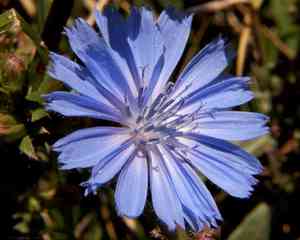
Weedy dwarf dandelion (Krigia cespitosa)
Also known as: Dwarf Dandelion, Field Dwarf-Dandelion, False Dandelion
The weedy dwarf dandelion is an annual plant known for its small yellow flowers. It was discovered by the German physician David Krieg, who had a passion for collecting plants in Delaware and Maryland. Consequently, the genus was named "Krigia" in his honor.
In This Article
Attributes of Weedy dwarf dandelion
Lifespan
Annual
Plant Type
Herb
Plant Height
42 cm
Spread
Not applicable, as it has a basal rosette form.
Leaf Color
Green
Flower Size
1.3 cm to 3.5 cm
Flower Color
Yellow
Images of Weedy dwarf dandelion
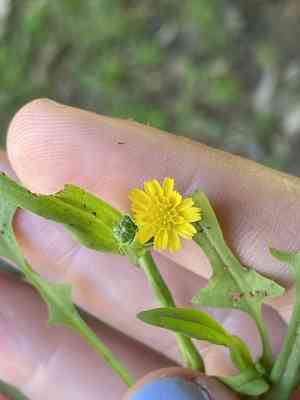
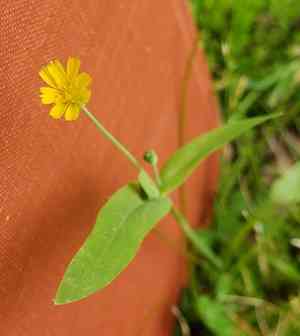
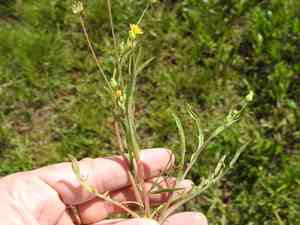
Quickly Identify Weedy dwarf dandelion
1
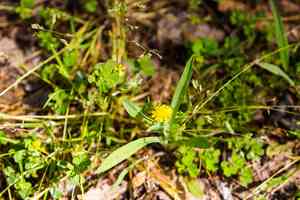
Krigia cespitosa can be identified by its small, dandelion-like yellow flowers, rosette of basal leaves, and its erect, leafless flowering stems. The flowers are usually solitary and bloom in late spring to early summer.
Scientific Classification of Weedy dwarf dandelion
Phylum
Vascular plants
Class
Dicotyledons
Order
Asterales
Family
Daisy
Genus
Krigia
Species
Weedy dwarf dandelion
Planting and Growing of Weedy dwarf dandelion
Care Difficulty
Easy
Watering Schedule
Every 2 days
Sunlight Requirements
Full sun
Sunshine Duration
4-8 hours
Ideal Temperature
60-75℉
Soil Type
Potting Mix, Peat Mix
Soil pH
5.5-7.5
Fertilizer Type
Balanced
Pruning Season
Spring, Summer
Pruning Area
Branches, Leaves
Pruning Frequency
Once a year
Repotting Season
Spring
Pot Type
Plastic, Ceramic
 How to Water Weedy dwarf dandelion?
Krigia cespitosa thrives when the soil is kept moderately moist. Watering should ensure that the soil is evenly saturated but not waterlogged. Approximately 250 milliliters of water is ideal per session, ensuring you do not drown the roots. Always check that excess water can drain freely to prevent root rot.
What are the symptoms of an underwatered Weedy dwarf dandelion?
›
What should I do if my Weedy dwarf dandelion is not getting enough water?
›
What are the symptoms of an overwatered Weedy dwarf dandelion?
›
How to save an overwatered Weedy dwarf dandelion?
›
 What Are the Sunlight Requirements for Weedy dwarf dandelion?
Prefers full sun exposure, ideally between 6 to 8 hours per day, aiding in vibrant flowering and robust growth due to enhanced photosynthesis and energy assimilation.
Optimal Sunlight Quantity
›
How to Position for Adequate Sunlight
›
Environmental Considerations
›
 What Is the Ideal Temperature Range for Weedy dwarf dandelion?
Krigia cespitosa thrives within an ideal temperature range of 60°F to 75°F. This range provides a stable environment conducive to its growth, ensuring optimal photosynthesis and nutrient uptake. The moderate temperatures help the plant maintain a robust metabolic rate, contributing to healthy foliage and abundant flowering.
 What Soil is Best for Weedy dwarf dandelion?
Krigia cespitosa thrives in well-drained soil because it helps prevent root rot and fungal diseases. Ensuring good drainage replicates its natural habitat and promotes healthy growth. This plant is accustomed to nutrient-poor environments, so excessive fertilization can be detrimental. Minimal nutrients mimic its native conditions, encouraging resilience and natural growth patterns. While Krigia cespitosa prefers dry settings, maintaining moderate moisture levels during establishment is crucial. This balance supports root development without risking waterlogging.
 How to Fertilize Weedy dwarf dandelion?
For Krigia cespitosa, applying a liquid fertilizer with a balanced NPK ratio of 10-10-10 at half the recommended dosage is ideal. This ensures the plant gets the necessary nutrients without risking over-fertilization. When using slow-release fertilizers, use approximately 2 tablespoons per square foot of planting area. Always consider the soil type and adjust accordingly to ensure optimal growth.
 How to Prune Weedy dwarf dandelion?
Before pruning, conduct a thorough visual inspection to identify damaged, dead, or diseased leaves and stems. Carefully remove these parts, aiming to make cuts just above a healthy node or leaf to encourage new growth. Prune the plant to maintain a desirable shape by selectively trimming overgrown or wayward branches. Follow the natural contour of the plant and strive for symmetry to ensure an aesthetically pleasing appearance.
More About Pruning Techniques→
 How to Propagate Weedy dwarf dandelion plant?
1
Use a well-draining potting mix suitable for Krigia cespitosa. Ensure the soil is slightly acidic to neutral, as this mimics the plant's natural habitat and promotes optimal growth.
2
Scatter the seeds evenly across the surface of the soil. Do not cover them completely, as they require light to germinate. Lightly press them into the soil to ensure good seed-to-soil contact.
3
Water the seeds gently using a spray bottle once a day or as needed to keep the soil consistently moist but not waterlogged. This promotes faster germination and healthy seedling establishment.
 How to Repot Weedy dwarf dandelion plant?
1
Krigia cespitosa should be repotted when you notice the roots outgrowing their current pot, visible through drainage holes or circling the surface soil. Another sign is when water isn't absorbing well. Optimal repotting happens during early Spring or Autumn, as the plant is not actively growing and can easily adapt to a new pot.
2
Select a pot that is one size larger than the current one to give roots room to grow without overburdening them. A pot with drainage holes is crucial to prevent waterlogging. Terracotta pots are a top choice, as they allow breathability, keeping moisture at bay, thus ensuring root health.
3
Opt for a loamy, well-draining soil mix to allow Krigia cespitosa's roots to breathe and prevent root rot. Incorporate perlite or sand for added drainage. This combination strikes the perfect balance between moisture retention and drainage, essential for the plant's optimal growth conditions.



