How to Transplant Bush beardtongue?
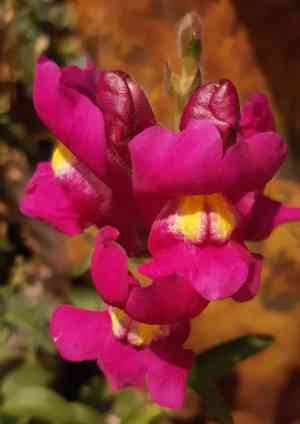
For optimal development, the bush beardtongue should be relocated during the middle to latter part of spring or the initial phase of summer. This plant flourishes in areas that receive ample sunlight and have good drainage. Proper distance between plants is essential for robust rooting. It is vital to minimize any strain on the plant during its relocation to ensure successful integration.
What Preparations are Needed Before Transplanting Bush Beardtongue?
What is the Ideal Time for Transplanting Bush Beardtongue?
Bush beardtongue, a perennial, is best moved in mid to late spring through early summer. Relocating during this period allows the plant to establish its root system prior to summer's heat. The mild temperatures and sufficient rainfall during these seasons support root development and minimize transplant shock, boosting the plant's survival and growth.
How Much Space Should You Leave Between Bush Beardtongue Plants?
When transplanting bush beardtongue, ensure each plant is spaced 24-36 inches (60-90 cm) apart. This provides ample room for individual plant growth without overcrowding, promoting good air circulation and nutrient access.
What is the Best Soil Mix for Bush Beardtongue Transplanting?
Before relocating bush beardtongue, prepare well-draining soil enriched with organic compost. Incorporating a foundational fertilizer, such as a balanced 10-10-10 blend, will supply vital nutrients, fostering robust root development and vigorous growth.
Where Should You Relocate Your Bush Beardtongue?
Select a sunny spot for transplanting bush beardtongue. This plant flourishes in full sunlight, ideally receiving 6-8 hours daily. Ensuring sufficient sun exposure will encourage abundant blooms and healthy foliage.
What Equipments Should You Prepare Before Transplantation Bush Beardtongue?
Gardening Gloves
To safeguard your hands when handling soil and plants.
Shovel or Spade
For excavating around the plant and preparing the new planting area.
Trowel
For more precise digging and lifting, especially in confined spaces.
Watering Can or Hose
To hydrate the soil both before and after the relocation.
Pruners
For trimming any damaged or excessively long roots.
Wheelbarrow or Bucket
For moving the plant from its original spot to the new site.
Mulch
To help retain soil moisture and insulate the newly transplanted plant.
How Do You Remove Bush Beardtongue from the Soil?
How Do You Remove Bush Beardtongue from the Soil?
From Ground: First, water the bush beardtongue plant to moisten the soil. Next, dig a wide trench around the plant using a shovel or spade, ensuring the plant's root ball remains intact. Carefully work the spade beneath the root ball to lift the plant from its original location.From Pot: Thoroughly water the bush beardtongue plant before removal. Gently tap the pot's sides to loosen the soil and roots. Carefully invert the pot while supporting the plant with your other hand. Slide the plant out, minimizing disturbance to the root ball.From Seedling Tray: Water the bush beardtongue plant thoroughly. Gently press the bottom of the tray cells to release the seedlings. Carefully lift each seedling from the tray by holding the leaves or the stem's base, avoiding the roots.
Step-by-Step Guide for Transplanting Bush Beardtongue
Plant Inspection
Before relocating, examine the bush beardtongue plant for any indications of disease or pest damage. Remove any affected parts and confirm the root ball is healthy and intact.
Prepare New Site
Dig a hole at the new location that is twice as wide and equal in depth to the plant's root ball. Loosen the soil at the bottom of the hole to encourage root penetration.
Water the Site
Thoroughly water the new planting hole before placing the bush beardtongue plant into it. This helps create a moist environment that promotes root growth.
Transfer the Plant
Gently place the bush beardtongue plant into the prepared hole, ensuring it is at the same depth as it was in its original spot. Fill the hole with soil, pressing gently around the base to eliminate air pockets.
Water the Plant
After planting, thoroughly water the bush beardtongue plant to settle the soil around the roots. This initial watering is vital for the plant's adjustment to its new location.
Apply Mulch
Add a layer of mulch around the base of the bush beardtongue plant, leaving a small gap around the stem to prevent rot. Mulch helps retain moisture and regulate soil temperature.
How Do You Care For Bush Beardtongue After Transplanting?
Watering
Keep the soil around the bush beardtongue consistently moist, but not waterlogged, for the initial weeks post-transplant to aid in establishing strong roots.
Shading
If the weather is particularly hot or sunny, provide some temporary shade to lessen transplant shock.
Pruning
Trim any damaged or wilted leaves to reduce stress on the plant and stimulate new growth.
Monitoring
Regularly inspect the bush beardtongue plant for signs of stress or disease. Address any issues promptly to give the plant the best chance of thriving in its new location.
Troubleshooting Common Issues with Bush Beardtongue Transplantation.
When is the best time to transplant bush beardtongue?
The ideal period is mid to late spring or early summer when temperatures are moderate.
What spacing should be maintained for bush beardtongue?
Ensure a distance of 24-36 inches (60-90 cm) between each plant for healthy development.
How deep should I dig the hole for transplanting bush beardtongue?
Excavate a hole 10-12 inches (25-30 cm) deep to comfortably accommodate the root ball.
Should I water bush beardtongue immediately after transplanting?
Yes, water thoroughly right after transplanting to help settle the soil around the roots.
How can I prevent transplant shock in bush beardtongue?
Relocate on a cloudy day, water well, and provide shade if possible for the first week.
How should I prepare the soil for transplanting bush beardtongue?
Improve the soil with compost to enhance drainage and supply essential nutrients.
Can I transplant bush beardtongue in full sun?
Yes, bush beardtongue thrives in full sun but ensure it is well-hydrated during the initial stages post-transplant.
What should I do if bush beardtongue wilts after transplanting?
Ensure adequate watering and consider adding mulch to retain soil moisture.
Is fertilization necessary when transplanting bush beardtongue?
A light application of a balanced fertilizer can assist in quickly establishing the plant.
How to handle roots while transplanting bush beardtongue?
Gently untangle the roots if they are root-bound to promote better establishment in the new location.



