How to Prune Bush beardtongue?
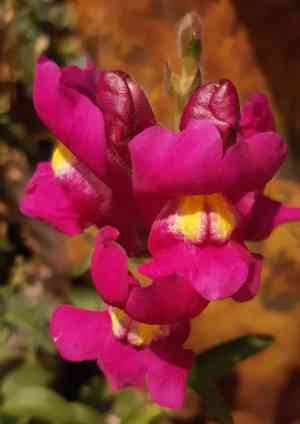
Bush beardtongue exhibits tubular blossoms and a spreading habit. Perform pruning in late winter or early spring, eliminating deceased or frail stalks to encourage robust development. Cut back overly energetic branches to preserve form and manage dimensions. Advantages encompass increased bloom production, protection against ailments, and better air movement. Always sanitize implements to avert contagions.
What Are the Benefits of Pruning Bush Beardtongue?
What Are the Benefits of Pruning Bush Beardtongue?
Trimming bush beardtongue promotes robust development and helps maintain its form, ensuring a well-proportioned specimen. Eliminating dead or diseased limbs also boosts its overall vitality and resistance to pests and illnesses, fostering a more vigorous and appealing look.
What Is the Best Time for Pruning Bush Beardtongue?
What Is the Best Time for Pruning Bush Beardtongue?
Pruning in late winter or early spring is ideal for bush beardtongue as it allows the plant to recover before its active growth period. This timing helps minimize plant stress, encourages healthy development, and ensures that trimming does not disrupt the flowering cycle. Furthermore, disease transmission is less probable during these cooler months, contributing to overall plant health.
What Tools Do I Need to Prune Bush Beardtongue?
Hand Pruners (Bypass Pruners)
Perfect for making precise cuts on stems up to 3/4 inch. Essential for shaping and removing dead or spent stems of bush beardtongue.
Loppers
Useful for cutting thicker branches that hand pruners cannot manage. They offer greater leverage and ease for branches up to 1.5 inches in diameter on bush beardtongue.
Pruning Saw
Required for cutting large, old, or dead branches too thick for loppers. Ensures clean cuts and prevents damage to bush beardtongue.
Gloves
Protect hands from thorns, rough stems, and sharp tools while pruning bush beardtongue.
Anvil Pruners
Helpful for trimming dead wood. However, bypass pruners are generally more suitable for live stem pruning on bush beardtongue to avoid crushing stems.
How to Prune Bush Beardtongue
Inspection
Carefully examine bush beardtongue for any diseased foliage, withered leaves, dead branches, and infected branches. Identifying these parts is vital for effective trimming.
Tools Preparation
Prepare the necessary tools such as pruning shears, loppers, and disinfectant. Ensure tools are sharp and sanitized to prevent disease spread.
Remove Diseased Leaves
Trim away any diseased leaves by cutting them at the base where they meet the stem. Dispose of them properly to prevent disease transmission.
Remove Withered Leaves
Cut off withered leaves at their point of attachment to the main plant structure. This helps improve the overall appearance and health of bush beardtongue.
Remove Dead Diseased Branches
Cut back dead or diseased branches to the nearest healthy segment or down to the base. Make clean cuts to promote healthy regrowth and prevent further disease.
Common Pruning Mistakes with Bush Beardtongue
Over-pruning
Excessive removal of branches can stress bush beardtongue, leading to poor growth and reduced flowering.
Incorrect technique
Using dull or dirty tools can cause jagged cuts, which potentially introduces diseases and pests.
Ignoring plant structure
Failing to understand the natural growth habit of bush beardtongue can result in an unsightly appearance and improper form.
Common Pruning Tips for Bush Beardtongue
Use clean, sharp tools
Ensure your pruners are sharp and clean to make precise cuts, preventing disease transmission and promoting quicker healing for bush beardtongue.
Prune lightly
Focus on removing dead, damaged, or diseased wood. For bush beardtongue, light pruning maintains its health and encourages more blooms without causing stress.
Understand growth patterns
Familiarize yourself with the plant's natural shape. This helps in making pruning decisions that enhance rather than hinder the aesthetic and structural form of bush beardtongue.
Spot problematic areas
Regularly inspect the plant for any signs of disease or pests and prune these sections immediately to prevent spreading.



