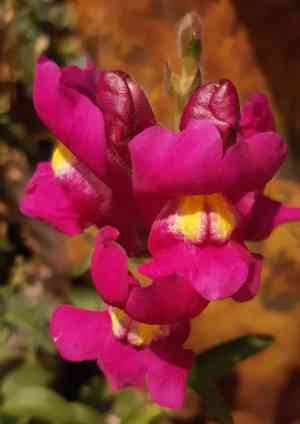
Bush beardtongue (Keckiella breviflora)
Also known as: Short-flowered Bush Penstemon
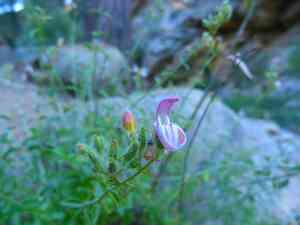
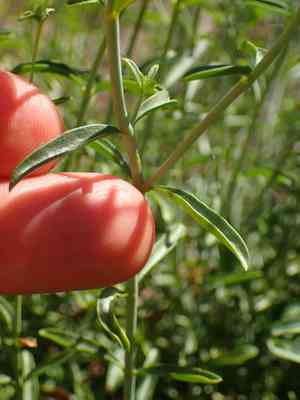
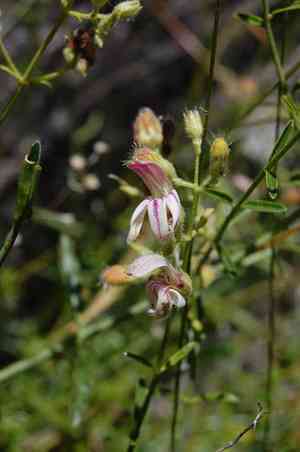
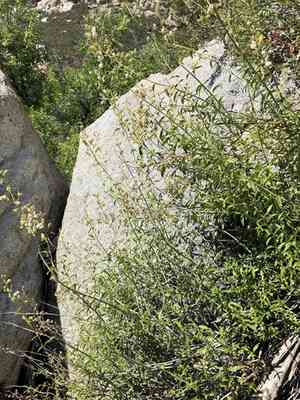
Keckiella breviflora is a bushy shrub with numerous slender branches, capable of growing up to nearly 2 meters in height. The leaves are shiny green, positioned opposite each other along the stems, typically narrow and lance-shaped, with edges that can be either smooth or finely serrated. The flowers, each about 1 to 2 centimeters wide, consist of five lobes that are pale pink or white with pinkish streaks.
In This Article
Attributes of Bush beardtongue
Lifespan
Perennial
Plant Type
Shrub
Plant Height
91 cm to 1.8 m
Spread
Approximately 1 meter
Leaf Color
Green
Flower Size
1 to 2 centimeters
Flower Color
Yellow, red, or orange
Images of Bush beardtongue
Quickly Identify Bush beardtongue
1
Look for a shrub that reaches 1 to 2 meters in height with narrow leaves and tubular, short-flowered blooms typically in shades of yellow to red.
Scientific Classification of Bush beardtongue
Phylum
Vascular plants
Class
Dicotyledons
Order
Lamiales
Family
Plantain
Genus
Keckiellas
Species
Bush beardtongue
Planting and Growing of Bush beardtongue
Care Difficulty
Moderate
Watering Schedule
Every 2 days
Sunlight Requirements
Full sun
Sunshine Duration
6-8 hours
Ideal Temperature
60-75℉
Soil Type
Potting Mix, Peat Mix
Soil pH
6.5-7.5
Fertilizer Type
Balanced
Pruning Season
Spring, Summer
Pruning Area
Branches, Leaves
Pruning Frequency
2 times a year
Repotting Season
Spring
Pot Type
Plastic, Terracotta
 How to Water Bush beardtongue?
For Keckiella breviflora, it's essential to water thoroughly but infrequently to mimic its natural dry habitat. A good rule of thumb is to provide about 250 milliliters per watering session, ensuring the soil is moistened thoroughly but not soggy. This approach will help prevent root rot and promote healthy root development.
What are the symptoms of an underwatered Bush beardtongue?
›
What should I do if my Bush beardtongue is not getting enough water?
›
What are the symptoms of an overwatered Bush beardtongue?
›
How to save an overwatered Bush beardtongue?
›
 What Are the Sunlight Requirements for Bush beardtongue?
Keckiella breviflora ideally requires full to partial sun. Proper light exposure encourages lush foliage and frequent blooming, improving both aesthetic appeal and plant vigor.
What is the recommended lighting environment?
›
How can I ensure ideal lighting conditions?
›
What are the benefits of providing ideal lighting?
›
 What Is the Ideal Temperature Range for Bush beardtongue?
For optimal growth, Keckiella breviflora thrives in temperatures ranging from 60°F to 75°F. These conditions closely mimic its natural habitat, providing the stability and warmth that promote healthy foliage and flowering. Maintaining this temperature range helps the plant to carry out photosynthesis efficiently and builds resilience against diseases.
 What Soil is Best for Bush beardtongue?
Keckiella breviflora thrives best in well-draining soil, which prevents waterlogging and root rot. Ensuring good drainage keeps the plant's roots healthy by providing necessary aeration, which in turn supports robust growth and vibrant blooms. This plant flourishes in moderately fertile soil, gaining the essential nutrients for flowering and growth. Applying a balanced organic fertilizer can enhance its development, leading to richer foliage and stronger stems. While well-draining soil is crucial, retaining enough moisture ensures the plant remains hydrated, especially in warmer climates. The soil's ability to hold moisture reduces the need for frequent watering, promoting sustainable growth.
 How to Fertilize Bush beardtongue?
Keckiella breviflora requires careful fertilization to thrive. Use a balanced liquid fertilizer diluted to half strength, applying approximately 1 tablespoon per gallon of water. This ensures the plants receive ample nutrients without risk of burning.
 How to Prune Bush beardtongue?
Start by identifying any dead, diseased, or damaged stems and remove them. Cut back to healthy wood, making clean cuts at a slight angle just above a leaf node or bud. After removing damaged stems, step back and assess the overall shape of the plant. Trim branches that disrupt the symmetry or cross over others. Aim to maintain an open, vase-like structure to improve air circulation. To promote a bushier appearance, pinch back growing tips. This encourages side shoots to develop, leading to a fuller, more attractive plant.
More About Pruning Techniques→
 How to Propagate Bush beardtongue plant?
1
Harvest seeds from mature Keckiella breviflora plants in late summer or early autumn when the seed pods dry and begin to crack.
2
Use sterilized shears to cut 4-6 inch segments from healthy, non-flowering stems. Dip cut ends in rooting hormone for better success rates.
3
In spring, gently dig up the plant and separate its root clumps, ensuring each division has shoots and a healthy root system for successful transplantation.
 How to Repot Bush beardtongue plant?
1
Keckiella breviflora typically requires repotting every 2-3 years. Signals to repot include roots growing out of drainage holes, a slow growth rate despite normal conditions, and compacted soil. Repot during spring or early summer to promote optimal recovery and growth.
2
Select a pot that is 1-2 inches larger in diameter than the current one, ensuring it has drainage holes to prevent waterlogging. A slightly loose fit allows root expansion while minimizing root circling, which benefits plant stability and growth.
3
Opt for a well-draining sandy loam that mimics the natural habitat of Keckiella breviflora. This type of soil prevents root rot by facilitating excess water flow, ensuring roots stay healthy and oxygenated.
Learn More About Bush beardtongue Diseases
Anthracnose
Bacterial Leaf Spot
Bacterial Wilt
Crown Gall
Damping-off
Downy Mildew
Drought Stress
Fusarium Wilt
Gray Mold
Leaf Curl
Leaf Spot
Mosaic
Nutrient Deficiency
Nutrient Toxicity
Powdery Mildew
Root Rot
Root-knot Nematode
Rusts
Sooty Mold
Spider Mites
Temperature Stress
Thrips Damage
White Mold



