How to Transplant American water-willow?
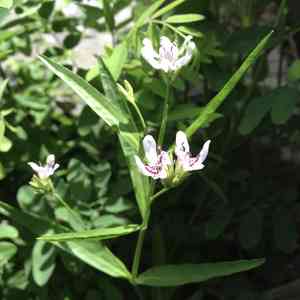
The ideal period for relocating american water-willow is mid-autumn, taking advantage of lower temperatures and the plant's natural resting phase. Select a location that receives plenty of sun and retains moisture. When shifting american water-willow, proceed gently to safeguard its fragile root structure.
What Preparations are Needed Before Transplanting American Water-willow?
What is the Ideal Time for Transplanting American Water-willow?
The prime time for relocating american water-willow is during mid-autumn. This period offers cooler temperatures and ample precipitation, creating optimal conditions for root establishment without the stress of summer heat. Moving american water-willow in this season ensures a strong root system before winter, establishing a crucial base for spring growth. When you select this timeframe, american water-willow benefits from the soil's warmth, which is perfect for encouraging root development, while the cooler air minimizes the risk of the upper growth drying out.
How Much Space Should You Leave Between American Water-willow Plants?
To transplant your american water-willow, we recommend spacing them 2-3 feet (60-90 cm) apart. This provides each plant sufficient room to establish roots without competition from nearby plants. Remember, they enjoy having space to expand!
What is the Best Soil Mix for American Water-willow Transplanting?
Begin with well-draining soil, rich in organic matter. Incorporating compost or a slow-release fertilizer like a 14-14-14 blend would create an excellent foundation for your american water-willow to flourish. Don't worry, you've got this!
Where Should You Relocate Your American Water-willow?
Your american water-willow thrives in sunlight! An area with either full sun or partial shade (at least 6 hours of sunlight) is perfect. So, let's find that bright spot in your garden or on your patio for them to soak up the sun and grow beautifully.
What Equipments Should You Prepare Before Transplantation American Water-willow?
Gardening Gloves
To protect your hands when handling soil and the plant.
Spade
A useful tool for digging the hole and lifting the plant.
Garden Fork
Helpful for loosening the soil around the plant's original location.
Pot (if applicable)
If the american water-willow plant is initially in a pot, we might need a pot for its temporary containment.
Garden Hose or Watering Can
For moistening the soil during removal and for watering after transplant.
Wheelbarrow or Container
For moving the american water-willow plant to its new spot.
Mulch
For safeguarding the plant after transplant, retaining soil moisture, and preventing weeds.
How Do You Remove American Water-willow from the Soil?
How Do You Remove American Water-willow from the Soil?
From Ground: Begin by watering the american water-willow plant to dampen the soil. Next, use a garden fork to gently loosen the soil around the plant. With a spade, dig a wide trench around the plant to encompass its root ball, being careful to minimize root damage. Carefully lift the plant from its original spot.From Pot: If your american water-willow plant is in a pot, first water it and allow excess water to drain. Then, place your hand on the soil surface with the plant stem between your fingers. Gently invert the pot and tap it lightly to loosen the plant. Once it's loose, pull the plant out.From Seedling Tray: If moving from a seedling tray, first water the american water-willow seedlings. Gently push the seedling from beneath the tray instead of pulling them by their stems.
Step-by-Step Guide for Transplanting American Water-willow
Plant Preparation
Move the american water-willow plant on a cool, overcast day to reduce transplant shock.
Hole Preparation
Excavate a hole that is twice as wide and equal in depth to the plant's root ball.
Placing the Plant
Position the american water-willow plant in the hole, ensuring the top of the root ball is level with the surrounding soil.
Backfill
Fill in around the plant using a mixture of original garden soil and compost. Gently press the soil around the base of the plant.
Water Thoroughly
Water the plant well to settle the soil around the roots. Avoid overwatering.
How Do You Care For American Water-willow After Transplanting?
Monitoring
Regularly observe the american water-willow plant after transplanting for any indications of transplant shock, such as yellowing leaves or wilting.
Watering
Maintain consistent soil moisture around american water-willow, but prevent it from becoming waterlogged. This is crucial in the initial weeks after transplanting.
Mulching
Apply a layer of mulch around the plant's base after transplant. This helps retain moisture, suppresses weed growth, and shields the plant from extreme temperature changes.
Troubleshooting Common Issues with American Water-willow Transplantation.
What's the ideal season to transplant the american water-willow plant?
The optimal period to transplant american water-willow is between the 8th and 9th seasons of its growth. This allows the plant sufficient time to establish itself before its active growing seasons.
What's the perfect distance for planting multiple american water-willow plants?
Maintain approximately 2-3 feet (60-90 cm) of space between each american water-willow plant. This provides ample room for their growth without overcrowding.
How deep should I dig when transplanting american water-willow?
Aim to dig a hole that's about twice the width and the same depth as your american water-willow's root ball. This helps the roots to spread and strengthen.
Do I need to water american water-willow after transplanting?
Absolutely. It's essential to water the american water-willow adequately after transplanting. This will help the soil settle around the roots, and keep the plant hydrated and healthy.
What kind of soil does american water-willow prefer for transplanting?
American water-willow typically thrives in rich, well-draining soil. Keep the soil loose and aerated to ensure the roots can expand easily and access the necessary nutrients.
How to transplant american water-willow without damaging the roots?
Be very gentle when transplanting american water-willow. Dig up as much of the root system as possible and handle the plant by its base to prevent any damage to the roots.
Can american water-willow be transplanted under direct sunlight?
While american water-willow can tolerate various sunlight conditions, it's best to transplant on a cloudy day or in the evening to reduce the shock caused by direct sunlight.
Do I need to fertilize american water-willow after transplanting?
You should not fertilize immediately after transplanting american water-willow. Allow the plant to recover from transplant shock first. After a few weeks, you can begin with a light application of a balanced fertilizer.
What's the importance of mulching after transplanting american water-willow?
Mulching slows water evaporation from the soil, reduces weed competition, and regulates soil temperature. It's a significant aid for american water-willow in the weeks following transplant.
Can unexpected frost damage recently transplanted american water-willow?
Yes, unexpected frost can certainly harm american water-willow. If frost is predicted, cover your recently transplanted american water-willow with frost cloth to keep it protected.



