How Much Sunlight Do American water-willow Need?
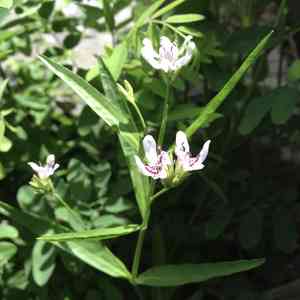
1
American water-willow flourishes with a minimum of 6 hours of direct sun each day, with more being ideal.
2
Some shade is tolerable, but insufficient light can hinder development and decrease blooms.
3
Track daily sun exposure with a plant light meter to confirm your American water-willow receives adequate illumination.
Optimal Light Requirements for American water-willow
Full Sun vs. Partial Shade
The American water-willow thrives in full sun, requiring a minimum of six hours of direct sunlight daily. While it can endure some partial shade, abundant sun exposure promotes its best growth. Full sun encourages vigorous development, prolific foliage, and a greater abundance of flowers. Conversely, partial shade typically results in slower growth and fewer blooms. Therefore, position your American water-willow in a location receiving at least six hours of direct sunlight if feasible.
Seasonal Light Fluctuations
The availability of sunlight varies seasonally, affecting the American water-willow. During summer, with extended daylight hours, the plant flourishes under increased light. However, in autumn and winter, shorter days and weaker sunlight can impede its growth. For potted plants in winter, consider moving them to brighter spots or employing grow lights to compensate for reduced natural illumination.
Evaluating Sunlight Exposure for American water-willow
Morning Sunlight
Morning sunlight is gentle and offers ideal light intensity for the American water-willow. East-facing placements are perfect as they receive early morning light and avoid the harsh midday and afternoon sun, which can cause plant stress.
Afternoon Sunlight
Afternoon sunlight can be strong, particularly in summer. While the American water-willow can withstand this, ensuring adequate hydration is vital. Afternoon sun exposure is best suited for mature plants, whereas younger ones might benefit from some shade during the hottest parts of the day.
Daily Sunlight Duration
For optimal growth, the American water-willow needs at least six hours of direct sunlight each day. Utilizing tools like a sunlight calculator or observing the plant's daily light exposure can help confirm this requirement. If the plant is in a location with dappled or filtered sunlight, assess if adjustments are needed to meet its six-hour sunshine quota.
Indicators of Sufficient Sunlight Exposure
Healthy Growth Patterns
An American water-willow receiving appropriate sunlight will exhibit robust growth. Stems will be sturdy and leaves lush. If you observe uniform and vigorous plant development, it suggests adequate light. Conversely, elongated or sprawling growth may signal insufficient light.
Leaf Color and Texture
Leaves of a well-maintained American water-willow should be a vibrant green with a healthy feel. Pale or yellowing leaves often indicate a lack of sunlight. Regular inspection of leaf color and texture provides clues about the plant's light requirements.
Flower Production
Flowering is a key sign of good health in American water-willow. Ample sunlight promotes abundant, vivid blooms. If your plant is not flowering or producing few blossoms, it could signify insufficient sun exposure.
Addressing Insufficient Sunlight for American water-willow
Relocating the Plant
If your American water-willow is struggling due to inadequate sunlight, consider moving it to a brighter location. This might involve placing it in an east or south-facing part of your garden or patio to receive more direct sunlight.
Artificial Lighting
Grow lights can be invaluable in low-light conditions or during winter. Employing full-spectrum grow lights that mimic natural sunlight can provide the necessary illumination for your American water-willow to thrive indoors or in darker areas.
Pruning Nearby Vegetation
Occasionally, larger plants or structures can obstruct essential sunlight. Trimming back trees or shrubs that shade your American water-willow can increase sun exposure, fostering healthier growth and more prolific blooming.
Potential Risks of Excessive Sunlight Exposure
Leaf Scorch
Too much sunlight can cause leaf burn, appearing as brown or seared patches on the foliage. This indicates the plant is receiving more direct sunlight than it can tolerate, especially during peak afternoon hours.
Heat Stress
Overexposure to direct sunlight may lead to heat stress, resulting in wilting and stunted growth. Ensure the American water-willow receives sufficient water if it's exposed to intense, prolonged sunlight to mitigate this risk.
Soil Desiccation
High sunlight exposure can also cause rapid soil drying, which can be detrimental as American water-willow prefers consistently moist conditions. Regularly monitor soil moisture and water the plant adequately, particularly during hot periods.
Common Questions Regarding American water-willow Sunlight Needs
Can American water-willow Be Grown Indoors?
While primarily an outdoor plant, American water-willow can be grown indoors if provided with adequate light. Use grow lights to replicate its natural sunlight requirements, ensuring it receives at least six hours of direct light daily.
Is Morning or Afternoon Sun Preferable for American water-willow?
Morning sun is generally better for American water-willow as it is less intense and provides a gentle, consistent light ideal for photosynthesis. However, the plant can tolerate afternoon sun if it is well-hydrated and monitored for signs of heat stress.
How Can I Gauge Sunlight Exposure?
Using a sunlight meter or a light-measuring application on your smartphone can help you accurately assess the amount of light your American water-willow is receiving. These tools can offer insights into daily light levels, helping you determine if the plant requires relocation or supplemental lighting.



