How to Prune American water-willow?
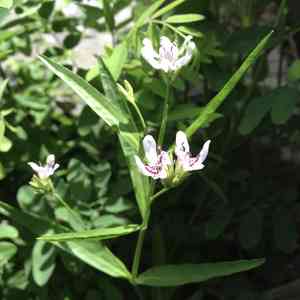
This perennial herbaceous plant, frequently encountered near aquatic environments, yields blossoms ranging from purple to white. For american water-willow, trimming ought to concentrate on eliminating deceased or compromised stalks to foster robust development. The optimal period for pruning is in spring, following the blooming phase, or in autumn, to preserve its form and dimensions. Consistent cutting back can deter excessive proliferation. It is crucial to refrain from excessive pruning, as this could diminish the plant's vigor and capacity for flowering.
What Are the Benefits of Pruning American Water-willow?
What Are the Benefits of Pruning American Water-willow?
Trimming american water-willow promotes blooming, encourages robust development, and preserves its desired shape. This is vital for both the plant's visual appeal and its well-being, ensuring it flourishes in its aquatic habitat.
What Is the Best Time for Pruning American Water-willow?
What Is the Best Time for Pruning American Water-willow?
The optimal period to prune american water-willow is after it commences active growth in late spring, ensuring the plant has emerged from dormancy and can rapidly heal from cuts. Pruning in early summer helps manage growth and form, allowing american water-willow to recover during the peak growing season. Trimming in early fall permits removal of spent flowers and aids in preparing american water-willow for dormancy, while avoiding late fall pruning which can stimulate new growth vulnerable to frost damage.
What Tools Do I Need to Prune American Water-willow?
Sharp Bypass Pruners
Essential for making clean cuts without crushing the stems of american water-willow. The sharp blades of bypass pruners ensure precise cutting through the soft, herbaceous material typically found in american water-willow.
Long-Handled Loppers
Useful for reaching into denser growth or for cutting thicker stems that may be found at the base of mature specimens of american water-willow, without straining the gardener's back or arms.
Handheld Pruning Shears
Ideal for shaping and maintaining the smaller stems and foliage of american water-willow, providing easy maneuverability for detailed work.
Pruning Saw
Necessary for cutting any woody stems or branches that are too thick for bypass pruners or loppers, ensuring a clean cut without damaging american water-willow.
Gardening Gloves
Critical for protecting the gardener's hands from thorns and sharp edges while pruning american water-willow.
Watering Can or Hose
Important for providing american water-willow with adequate water after pruning, which helps the plant to recover from the stress of being pruned and encourages new growth.
How to Prune American Water-willow
Remove Diseased Leaves
Identify and remove any diseased leaves from american water-willow to prevent the spread of infection. Use clean, sharp pruning shears and make cuts at the base of the affected leaves.
Trim Withered Leaves
Locate withered or dead leaves on american water-willow and clip them off at their base to promote healthy growth and improve air circulation around the plant. Ensure that cuts are clean to facilitate quick healing.
Deadhead Flowers
Prune withered flowers from american water-willow by making an angled cut above the first set of healthy leaves below the spent flower. This encourages new blooms and maintains the plant's aesthetic appeal.
Sanitation
After pruning, sanitize your tools with a solution of one part bleach to nine parts water to prevent the transmission of diseases between plants or to parts of the same plant.
Disposal
Properly dispose of all removed plant material from american water-willow by placing diseased portions in the trash to avoid contaminating compost and by composting healthy plant debris.
Common Pruning Mistakes with American Water-willow
Overpruning
Cutting back american water-willow too drastically can reduce its ability to photosynthesize and recover, leading to weaker growth and less flowering. Removing more than one-third of the plant at a time is typically excessive.
Improper Cut Locations
Pruning american water-willow at random points along the stem can lead to unsightly growth and increase the risk of disease. It's important to make cuts just above leaf nodes or branching points.
Using Dull Tools
Utilizing unsharpened pruning tools can cause jagged cuts that heal poorly and may invite pathogens. Clean, sharp tools are essential for making precise cuts that american water-willow can recover from quickly.
Ignoring Diseased Material
Failing to remove or properly dispose of diseased branches and leaves can spread pathogens throughout american water-willow, as well as to nearby plants. Always remove and discard any diseased material promptly.
Common Pruning Tips for American Water-willow
Identify Growth Pattern
Understanding american water-willow's growth pattern allows for strategic pruning that maintains the plant's natural shape and encourages healthy new growth. Look for new buds or shoots as indicators of where to prune.
Promote Air Circulation
Thin out dense areas of american water-willow to improve air circulation. This helps prevent the onset of fungal diseases, which tend to thrive in moist, stagnant conditions.
Encourage Flowering
To boost flower production, selectively prune older stems of american water-willow that have already flowered. This redirects the plant's energy toward producing new growth and flowers.
Maintain Natural Form
When pruning american water-willow, aim to maintain its natural form and appearance. Avoid creating an overly manicured look unless that is the intended design. American water-willow benefits from a more organic pruning approach.
Sanitize Pruning Tools
Before and after pruning american water-willow, sanitize all tools with alcohol or a bleach solution. This crucial step helps prevent the spread of pests and diseases between plants.



