How to Transplant Moor rush?
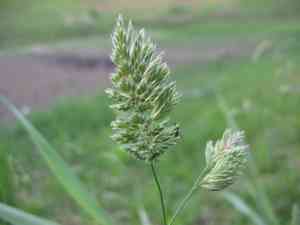
Moor rush flourishes when relocated during the lively period from early to late spring, coinciding with the plant's emergence from its dormant state. Select a site offering full sun to partial shade with consistently damp earth to guarantee peak development.
Essential Preparations Before Relocating Moor Rush?
Optimal Period for Relocating Moor Rush?
The best window for moving moor rush spans from early to late spring. This timeframe allows the plant to benefit from mild temperatures and increased soil moisture, aiding root establishment. Transplanting in early spring minimizes shock, as the plant is dormant or semi-dormant, reducing stress and enabling acclimatization before the active growth season.
Recommended Spacing Between Moor Rush Plants?
When relocating moor rush, aim for a 12-15 inch (30-38 cm) separation between plants. This provides ample room for individual growth without crowding, promoting good air circulation and robust development.
Ideal Soil Blend for Moor Rush Relocation?
Enhance the soil by incorporating compost or aged manure for enrichment. Moor rush prefers soil that drains well, is peaty, and has a pH ranging from slightly acidic to neutral. Adding a balanced, slow-release fertilizer can aid in developing strong roots.
Preferred New Location for Your Moor Rush?
Moor rush thrives in conditions ranging from full sun to partial shade. Select a site where the plant will receive at least 6 hours of daily sunlight. In particularly hot regions, a location offering some afternoon shade can help prevent stress.
Necessary Tools for Moor Rush Relocation?
Gardening Gloves
To safeguard your hands while handling soil and the plant.
Shovel or Spade
For excavating around and lifting the plant from its original spot.
Trowel
For more precise digging near the plant's root system.
Garden Fork
To gently elevate the plant while preserving its root structure.
Watering Can or Hose
To hydrate the soil both before and after the relocation.
Mulch
To assist in retaining soil moisture post-relocation.
Method for Extracting Moor Rush from the Ground?
Method for Extracting Moor Rush from the Ground?
From Ground: First, hydrate the moor rush plant to moisten the soil. Next, excavate a wide trench around the plant using a shovel or spade, ensuring the root ball remains intact. Carefully work the spade beneath the root ball to lift the plant from its initial position.From Pot: Water the moor rush plant to dampen the soil. Gently turn the pot on its side and tap the base to loosen the root ball. Carefully slide the plant out, taking care not to harm the roots.From Seedling Tray: Ensure the soil is damp. Use a small trowel or your fingers to gently lift each seedling from the tray, striving to keep as much soil around the roots as possible.
Detailed Steps for Relocating Moor Rush
Site Preparation
Prepare the new planting site by digging a hole slightly larger than the moor rush's root ball.
Soil Improvement
If necessary, amend the soil in the planting hole with organic compost to supply nutrients for the plant.
Plant Positioning
Place the moor rush in the hole, ensuring the top of the root ball is level with the surrounding ground.
Backfilling Soil
Gently refill the hole with soil, firming it around the root ball to eliminate air pockets.
Watering
Water the moor rush generously immediately after relocation to help settle the soil and reduce transplant shock.
Mulching
Apply a layer of mulch around the base of the moor rush to help retain moisture and suppress weeds.
Post-Relocation Care for Moor Rush?
Watering
Maintain consistently moist, but not waterlogged, soil around the moor rush for the initial weeks after relocation to aid in strong root establishment.
Monitoring
Regularly inspect the moor rush for signs of distress, such as wilting or yellowing leaves, and adjust care as needed.
Mulch Maintenance
Replenish mulch as required to maintain a layer that helps retain moisture and prevent weed growth.
Protection
Consider providing some shade or wind protection if the moor rush appears stressed by environmental conditions.
Resolving Common Issues with Moor Rush Relocation.
When is the optimal time to relocate moor rush?
The best period to move moor rush is from early to late spring.
What is the recommended spacing for moor rush plants?
Space moor rush plants 12-15 inches (30-38 cm) apart for ideal growth.
Which soil type is most suitable for relocating moor rush?
Moor rush thrives in well-draining, slightly acidic to neutral soil with ample organic matter.
How should I prepare the soil for moor rush?
Incorporate compost to enrich the soil and ensure it is loose and drains well.
How should I water moor rush after relocation?
Water thoroughly, but ensure the soil is moist, not saturated, to prevent root rot.
What actions should I take if moor rush exhibits transplant shock?
Provide additional water and temporary shade. Mulching can help maintain soil moisture.
At what depth should I plant moor rush roots?
Plant moor rush at the same depth it was previously growing to avoid stress.
Should I fertilize moor rush after relocation?
Apply a balanced, slow-release fertilizer to support new growth following relocation.
How can I safeguard moor rush from pests post-relocation?
Organic insecticides or natural predators can help manage pests on moor rush without harming the plant.
How to enhance moor rush's resilience after relocation?
Mulch around the base and ensure consistent moisture levels to boost resilience.



