The Moor rush Plant Advantage: Maximizing Home and Office Appeal and Wellness
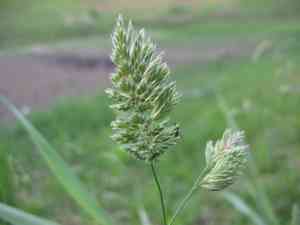
1
Moor rush flourishes in marshy areas, demonstrating its hardiness.
2
This vegetation helps stop dirt from washing away in its native settings.
3
Moor rush acts as a key environmental marker for the condition of wetlands.
Why is Moor rush Crucial in Wetland Environments?
Role in Soil Stability
Moor rush plays a key part in maintaining the firmness of soil within wetland regions. Its extensive root structure helps bind the earth, preventing erosion and fostering soil consistency. This characteristic is especially useful in flood-prone areas, as the plant can significantly lessen the impact of strong water currents, reducing sediment displacement.
Ecological Indicator
Moor rush functions as an ecological marker, offering vital insights into the health of wetland habitats. The existence and vitality of this plant can signal the overall state of the ecosystem, making it invaluable for environmental monitoring. Scientists and conservationists frequently employ Moor rush as a bioindicator to assess factors like water quality and soil composition, aiding in guiding conservation efforts.
How Does Moor rush Benefit Wildlife?
Habitat Provision
Moor rush provides an essential living space for numerous animal species. Its dense foliage and root systems offer refuge and breeding grounds for small aquatic creatures, insects, and birds. This microhabitat is crucial for sustaining biodiversity within wetland ecosystems, supporting a wide array of life forms that depend on the shelter and resources Moor rush supplies.
Food Source for Aquatic Life
The plant also serves as a vital food source for various aquatic organisms. Insects and small invertebrates consume it, which in turn supports larger predatory species, creating a robust food web. The plant's capacity to thrive in nutrient-poor conditions ensures that even in challenging environments, it can sustain life, making it a key player in maintaining wetland biodiversity.
Can Moor rush Aid in Water Purification?
Natural Filtration
One of the most remarkable advantages of Moor rush is its ability to assist in water purification. The plant's root systems act as natural filters, trapping sediments and absorbing pollutants from the water. This natural filtration process enhances water quality, benefiting both ecosystems and human communities that rely on wetland areas for their water supply.
Nutrient Absorption
Moor rush is particularly effective at taking up nutrients such as nitrogen and phosphorus from the soil and water. These nutrients, often present in runoff from agricultural and urban areas, can lead to issues like algal blooms in water bodies. By absorbing and utilizing these excess nutrients, Moor rush helps to prevent these problems, promoting clearer and healthier waterways.
How Can Moor rush Be Used in Ecosystem Restoration?
Restoration Projects
Moor rush is increasingly being utilized in ecosystem recovery initiatives. Its capacity to stabilize soil and improve water quality makes it an ideal candidate for re-establishing healthy wetland areas. Restoration efforts often involve planting Moor rush in degraded regions to jumpstart the recovery process, leveraging its natural resilience and environmental benefits.
Climate Change Mitigation
In the face of climate change, Moor rush offers several ameliorating advantages. Wetlands are significant carbon sinks, and by fostering healthy wetland environments, Moor rush contributes to carbon sequestration. Additionally, its role in flood reduction becomes increasingly important as climate change results in more extreme weather events, providing a natural buffer against these impacts.
What Are the Land Management Applications of Moor rush?
Erosion Control
Land managers employ Moor rush for erosion prevention in vulnerable areas. Whether along riverbanks, in marshlands, or on agricultural land, planting Moor rush can significantly reduce erosion rates. Its robust root network acts as an anchor, securing soil even in high-flow conditions, thus preserving the integrity of the land.
Agricultural Benefits
In farming, Moor rush can be used as part of a strategy to manage waterlogged soil and enhance field drainage. By planting Moor rush in strategic locations, farmers can improve water infiltration and reduce soil saturation, thereby boosting crop yields in wet conditions. Additionally, its presence can lessen the need for artificial drainage solutions, offering a sustainable approach to land management.



