How to Propagate Moor rush?
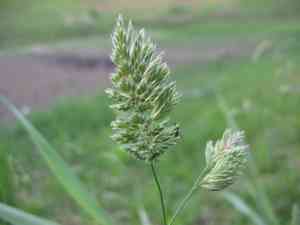
Moor rush flourishes in moist, marshy conditions, rendering its reproduction distinct from typical garden flora. The favored technique for increasing moor rush numbers entails separation, ideally performed in a humid, fertile substrate to emulate its native surroundings. Diligence is required to sustain adequate hydration during the preliminary development period following division, ensuring successful rooting and vigorous expansion.
Optimal Time for Moor Rush Propagation
Propagation Method
Division
Propagation Period
Spring,Autumn
Tools for Moor Rush Propagation
Sharp Knife or Scissors
These instruments are vital for making clean cuts through the root systems of moor rush during the division process. A sharp knife or scissors ensures a precise incision, minimizing harm to the plant's tissues. This accuracy helps lessen plant stress, encouraging faster recovery and more robust root structures in the newly propagated moor rush.
Watering Can with a Fine Rose
Following division, the new moor rush plants require gentle irrigation to aid their establishment without dislodging or disturbing the fragile new roots. A watering can equipped with a fine rose attachment delivers a soft, uniform spray of water, crucial for maintaining soil moisture and providing necessary hydration without causing erosion or displacement of the planting medium.
Potting Mix
A premium potting substrate suitable for moisture-loving plants is essential. Moor rush thrives in well-draining, damp mediums. The appropriate potting mix offers sufficient moisture retention and air circulation, which are vital for the newly propagated roots of moor rush to establish and grow effectively.
Gardening Gloves
Handling moor rush during propagation may necessitate protection, particularly when working with sharp implements and wet environments. Gardening gloves shield the hands from cuts and keep the skin clean, making the propagation procedure safer and more comfortable.
Label and Marker
Properly identifying newly propagated moor rush plants prevents confusion and allows for accurate tracking of their growth and development. A waterproof label and marker ensure that the information remains readable despite exposure to moist conditions, which is common when propagating moor rush.
How to Propagate Moor Rush?
Propagation Type
Easy
Caring for Your Newly Propagated Moor Rush
Caring for Your Newly Propagated Moor Rush
Post-propagation, continue to ensure the soil remains damp as moor rush flourishes in wet environments. Avoid excessive watering to prevent root decay. Position the plant in partial shade as it prefers cooler conditions. Regularly inspect for pests and diseases and treat as needed to maintain healthy growth. As moor rush matures, it may require division every few years to manage its growth and rejuvenate its vitality.
Common Errors to Avoid When Propagating Moor Rush
Overwatering
Excessive watering during moor rush propagation can lead to saturated soil, potentially causing root rot and reducing oxygen availability to the roots, severely impacting plant health.
Using Poor Draining Soil
Selecting a soil that lacks adequate drainage can result in water accumulation and root diseases. Moor rush thrives in well-drained conditions.
Excessive Use of Fertilizers
Applying too much fertilizer can lead to salt buildup in the soil and may harm the delicate root systems of moor rush, impeding their growth and propagation success.
Ignoring Light Requirements
Failure to provide the correct light conditions can either result in scorched plants if too intense or weak growth if too dim, affecting the overall health and development of moor rush.
Tips For Propagating Moor Rush
Use Sharp Tools
Ensure all cutting implements are sharp and clean to avoid crushing or tearing the plant tissues of moor rush, which can introduce pathogens and hinder healthy root development.
Maintain High Humidity
Keeping the humidity elevated around moor rush during the initial stages of propagation helps prevent moisture loss from delicate new growth, promoting successful rooting.
Check for Root Health Regularly
Monitoring the roots of moor rush regularly for signs of disease or decay helps in taking timely actions to prevent spread, ensuring healthier growth.
Gradual Acclimatization
Acclimatize moor rush gradually to their final growing conditions post-propagation to reduce transplant shock and improve survival rates. This ensures a smooth transition to new environment conditions.



