How to Transplant Whiteroot rush?
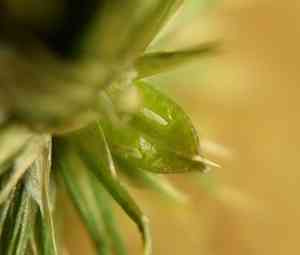
Whiteroot rush flourishes when relocated during the gentle and moderate seasons of early to late spring or late autumn. Select a bright, damp spot for optimal outcomes. Refrain from summer transplantation to minimize strain on the specimen. Enjoy your gardening!
What Preparations are Needed Before Transplanting Whiteroot Rush?
What is the Ideal Time for Transplanting Whiteroot Rush?
Whiteroot rush, a perennial, thrives when moved between early to late spring or late autumn. This timing allows root establishment before summer or winter extremes. Transplanting then maximizes growth and improves overall plant health, ensuring robust development.
How Much Space Should You Leave Between Whiteroot Rush Plants?
For whiteroot rush, ensure each plant has 18-24 inches (45-60 cm) of space for healthy growth and air circulation. This helps prevent overcrowding and disease.
What is the Best Soil Mix for Whiteroot Rush Transplanting?
Whiteroot rush thrives in moist, well-draining soil rich in organic matter. Prepare your site by mixing compost or aged manure into the top 6-8 inches (15-20 cm) of soil. Consider a balanced, slow-release fertilizer for a nutrient boost.
Where Should You Relocate Your Whiteroot Rush?
Choose a sunny to partially shaded spot for whiteroot rush. It tolerates various light conditions, but 4-6 hours of direct sunlight daily supports optimal growth. Ensure the area stays moist, as whiteroot rush prefers consistent soil dampness.
What Equipments Should You Prepare Before Transplantation Whiteroot Rush?
Gardening Gloves
To shield your hands while handling soil and plants.
Spade or Shovel
For digging around the plant and preparing the new planting hole.
Watering Can or Hose
To hydrate the plant before and after the move.
Trowel
Useful for smaller digging tasks and root area work.
Pruning Shears
To trim any damaged or excess roots or foliage.
Bucket or Container
To transport the plant from its original spot to the new site if needed.
Mulch
To help retain moisture and safeguard roots post-transplant.
Stakes and Ties
To offer support if the plant requires stabilization after transplanting.
How Do You Remove Whiteroot Rush from the Soil?
How Do You Remove Whiteroot Rush from the Soil?
From Ground: First, water the whiteroot rush to moisten the soil. Then, dig a wide trench around the plant with a spade or shovel, keeping the root ball intact. Carefully work the spade under the root ball to lift the plant.From Pot: Water the whiteroot rush thoroughly before removal. Gently squeeze the pot sides to loosen the soil. Invert the pot, holding the plant at its base, and tap the bottom until it slides out, keeping the root ball intact.From Seedling Tray: Water seedlings well before removal. Use a small trowel or fingers to gently pry seedlings from the tray, being careful not to harm delicate roots. Lift each seedling by its leaves or root ball, never by the stem.
Step-by-Step Guide for Transplanting Whiteroot Rush
Site Preparation
Choose a well-drained garden spot with suitable light for whiteroot rush. Clear the area of weeds or debris.
Digging the Hole
Excavate a hole slightly larger and deeper than the whiteroot rush's root ball. This allows for easy placement and better root spread.
Adding Compost
If necessary, add compost to the hole's bottom to enrich the soil and aid plant establishment.
Placing the Plant
Position the whiteroot rush in the hole, ensuring the root ball's top is level with the ground. Fill around the root ball with soil, pressing gently to remove air pockets.
Watering In
Water the whiteroot rush thoroughly after planting to help settle the soil around the roots.
Mulching
Apply a layer of mulch around the plant's base to retain moisture and deter weeds.
Staking (if necessary)
If the whiteroot rush is tall or in a windy spot, provide support using stakes and ties to prevent tipping.
How Do You Care For Whiteroot Rush After Transplanting?
Watering
Keep the soil around the whiteroot rush consistently moist, but not waterlogged, for the initial weeks post-transplant to encourage strong roots.
Monitoring
Regularly check the plant for signs of transplant shock, such as wilting or yellowing leaves, and adjust care as needed.
Pruning
Trim any damaged or excess foliage to reduce plant stress and promote healthy growth.
Mulching
Ensure the mulch layer remains intact and replenish as needed to maintain soil moisture.
Protection
Shield the whiteroot rush from harsh weather conditions like strong winds or intense sun until it establishes well.
Troubleshooting Common Issues with Whiteroot Rush Transplantation.
When is the best time to transplant whiteroot rush?
Transplant whiteroot rush from early to late spring or late fall for optimal results.
How much space should I leave between whiteroot rush plants?
Allow 18-24 inches (45-61 cm) of space between each whiteroot rush plant.
What should the soil condition be for transplanting whiteroot rush?
Whiteroot rush prefers moist, well-draining soil rich in organic matter.
How deep should I plant whiteroot rush?
Plant whiteroot rush at the same depth as it was in its previous location.
What should I do if the leaves of whiteroot rush turn yellow?
Ensure the soil remains consistently moist but not waterlogged, as dryness can cause yellowing.
How can I reduce transplant shock for whiteroot rush?
Water thoroughly and add mulch around the base to maintain soil moisture.
What should I do if whiteroot rush doesn't seem to be growing?
Check soil drainage and amend the soil with organic matter to boost growth.
Can I transplant whiteroot rush in the summer?
It's best to avoid summer transplantation; early spring or late fall is ideal.
How often should I water newly transplanted whiteroot rush?
Water thoroughly immediately after transplanting and keep the soil consistently moist.
What type of mulch is best for whiteroot rush?
Use organic mulch, such as straw or shredded bark, to keep the soil moist and cool.



