How to Prune Whiteroot rush?
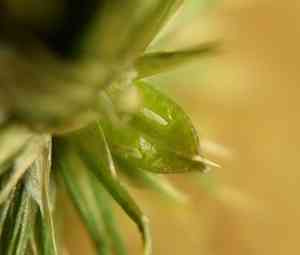
A perennial, grass-like botanical specimen, whiteroot rush flourishes in diverse environments and exhibits elongated, cylindrical stalks. Trimming is recommended in early spring or during the winter season, prior to the emergence of new shoots. Sever any deceased or excessively long stems at their base to encourage robust development and preserve the plant's well-being. Strategic pruning aids in managing its expansion and elevates the visual charm of whiteroot rush, guaranteeing a dense and neat presentation.
What Are the Benefits of Pruning Whiteroot Rush?
What Are the Benefits of Pruning Whiteroot Rush?
Trimming whiteroot rush promotes robust development and helps preserve its form, ensuring a dense, appealing look. Regular cutting prevents overcrowding, which can lead to illness.
What Is the Best Time for Pruning Whiteroot Rush?
What Is the Best Time for Pruning Whiteroot Rush?
Pruning whiteroot rush in early spring is optimal as it coincides with the start of the plant's active growth period. This timing allows for quick recovery, fostering healthier and more vigorous growth throughout the season. Winter is another suitable time for pruning whiteroot rush, especially towards its end, just before spring growth begins. During winter, the plant is dormant, which minimizes stress and reduces the risk of sap loss or infection. Additionally, the absence of leaves during this period offers clearer visibility of the plant's structure, enabling more effective pruning.
What Tools Do I Need to Prune Whiteroot Rush?
Pruning Shears
Perfect for making precise cuts on whiteroot rush. The relatively small size and manageable width of the rushâs stems require tools that can provide clean and close cuts without causing damage, making sharp, bypass pruning shears most suitable.
Gardening Gloves
Essential for protecting a gardenerâs hands from potential cuts or irritations when handling whiteroot rush. The gloves should be durable yet offer dexterity to handle the tools and perform precise pruning.
Garden Scissors
Useful for trimming smaller or more delicate areas of whiteroot rush that require more meticulous attention. These scissors allow for detail work in shaping or removing unwanted or dead foliage without causing damage to the plant.
How to Prune Whiteroot Rush
Identify
Locate and mark the diseased and withered leaves of whiteroot rush. Focus on leaves that appear brown, discolored, or show signs of fungal infection, which can inhibit the overall health and aesthetic of the plant.
Prepare
Prepare the appropriate tools for pruning whiteroot rush. Use sharp, clean shears or scissors. Disinfect the blades before and after use to prevent the spread of disease among plants.
Trim
Carefully trim the marked leaves at their base where they join the stem or the main bunch. Ensure cuts are clean and as close to the base as possible to prevent stubs that can attract pests.
Dispose
Properly dispose of the removed leaves. Diseased foliage should be discarded away from the garden to prevent re-infection or spread of disease to other plants. Do not compost diseased material.
Inspect
After pruning, inspect whiteroot rush for any additional signs of stress or disease that might have been missed during the initial assessment. Regular monitoring helps maintain the health and appearance of the plant.
Common Pruning Mistakes with Whiteroot Rush
Overpruning
Removing too much foliage from whiteroot rush can stress the plant, leading to reduced vigor and less resistance to environmental stress.
Incorrect cuts
Making cuts too far from the node can result in unsightly stubs or damage to whiteroot rush's natural growth pattern. Additionally, cutting too close can damage the growing tissues, impairing recovery.
Using dull tools
Dull pruning shears can crush the stems of whiteroot rush instead of making clean cuts, which makes it harder for the plant to heal and increases susceptibility to diseases.
Neglecting sanitary practices
Failing to clean pruning tools before and after use can spread diseases from one plant to another, particularly crucial for whiteroot rush due to its susceptibility to certain fungal infections.
Common Pruning Tips for Whiteroot Rush
Sharp tools
Always use sharp, clean pruning shears or scissors. This ensures clean cuts that heal quickly, minimizing stress and exposure to pathogens.
Prune for shape
Prune whiteroot rush strategically to maintain an appealing shape and prevent overgrowth. This not only enhances the appearance but also promotes airflow and light penetration, crucial for the health of whiteroot rush.
Thin out dense areas
Remove some of the older stems from crowded parts of whiteroot rush to improve light penetration and air circulation, which helps prevent disease and promotes vigorous, healthy growth.
Post-pruning care
After pruning, provide whiteroot rush with adequate water and, if necessary, a balanced fertilizer to support recovery and regrowth. This helps the plant bounce back more robustly from the stress of pruning.



