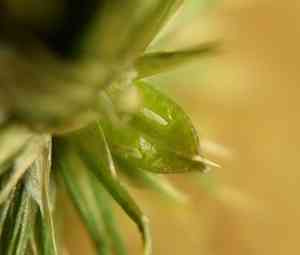
Whiteroot rush (Juncus brachycarpus)
Also known as: Short-fruited Rush
Whiteroot rush, a perennial grass-like plant, flourishes in moist to waterlogged habitats. It is characterized by its cylindrical, hollow stems and slender, pointed leaves that encircle its nodes. The plant is known for its transient seed capsules, which are a distinctive feature. Whiteroot rush is particularly well-suited to marshy areas, demonstrating its resilience in saturated soils and its specialized adaptation to such environments.
In This Article
Attributes of Whiteroot rush
Lifespan
Perennial
Plant Type
Grass
Plant Height
1-3.5 feet
Spread
N/A (not applicable for rushes)
Leaf Color
Green
Flower Size
0.1-0.3 inches
Flower Color
Brown
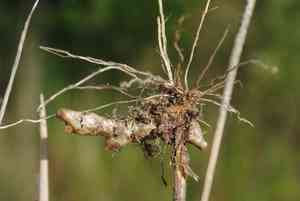
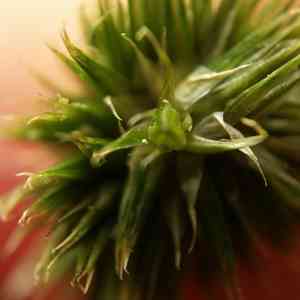
Images of Whiteroot rush


Quickly Identify Whiteroot rush
1
Juncus brachycarpus can be identified by its short, cylindrical, green stems and small, clustered flowers. The fruiting capsules are notably short, giving the plant its common name.
Scientific Classification of Whiteroot rush
Phylum
Vascular plants
Class
Monocotyledons
Order
Poales
Family
Rush
Genus
Rushes
Species
Whiteroot rush
Planting and Growing of Whiteroot rush
Care Difficulty
Easy
Watering Schedule
Every 2 days
Sunlight Requirements
Full sun
Sunshine Duration
6-10 hours
Ideal Temperature
60-75℉
Soil Type
Potting Mix, Peat Mix
Soil pH
6.5-7.5
Fertilizer Type
Balanced
Pruning Season
Spring, Summer
Pruning Area
Branches, Leaves
Pruning Frequency
2 times a year
Repotting Season
Spring
Pot Type
Plastic, Ceramic
 How to Water Whiteroot rush?
For Juncus brachycarpus, you should aim to provide about 250 milliliters of water per session. This plant thrives in moist conditions, so ensure the soil stays moist but not waterlogged. It's best to feel the top layer of soil; once it feels slightly dry, it's time to water again. Ensure proper drainage to prevent root rot while maintaining that essential moisture level.
What are the symptoms of an underwatered Whiteroot rush?
›
What should I do if my Whiteroot rush is not getting enough water?
›
What are the symptoms of an overwatered Whiteroot rush?
›
How to save an overwatered Whiteroot rush?
›
 What Are the Sunlight Requirements for Whiteroot rush?
Juncus brachycarpus flourishes in partial to full sunlight. This range supports vibrant growth, enhances flowering, and maintains lush foliage, contributing to a healthier, visually appealing plant.
Ideal Lighting Question 1
›
Ideal Lighting Question 2
›
Ideal Lighting Question 3
›
 What Is the Ideal Temperature Range for Whiteroot rush?
The ideal temperature range for Juncus brachycarpus, commonly known as the short-fruited rush, is between 60°F and 75°F. This range supports optimal growth and development, providing the necessary environmental conditions that mimic its natural habitat. This range ensures that the plant's metabolic processes function efficiently, allowing it to thrive and produce healthy foliage.
 What Soil is Best for Whiteroot rush?
Juncus brachycarpus thrives in well-draining soil that prevents waterlogging. This is crucial for the plant's health as it helps prevent root rot and allows for adequate oxygenation of the root system. A soil that maintains moderate moisture is ideal. While this plant can tolerate different moisture levels, consistent moderate moisture ensures optimal growth and richness in the plant's green hues. Nutrient-rich soil provides the necessary nutrients for Juncus brachycarpus to grow robustly. This results in healthier foliage and strengthens the plant's natural resilience to environmental stresses.
 How to Fertilize Whiteroot rush?
For Juncus brachycarpus, applying 1/4 strength of a balanced liquid fertilizer every two weeks during the growing season is ideal. Additionally, in early spring, apply 10 grams of slow-release fertilizer per square meter, ensuring even distribution. Avoid applying excessive amounts at once to prevent nutrient burn.
 How to Prune Whiteroot rush?
Begin by assembling the right tools: sharp pruning shears for clean cuts, and sanitizing wipes or solution to sterilize the blades. This prevents the spread of any pathogen from plant to plant. Carefully inspect Juncus brachycarpus for any dead or brown stems, and prune these at the base. Removing these deters pests and promotes new growth, ensuring the plant's health and vibrancy. After removing the dead growth, proceed to shape the plant as desired. Aim for a rounded or natural clump form, making cuts just above a node to stimulate new branches and achieve a full, lush appearance.
More About Pruning Techniques→
 How to Propagate Whiteroot rush plant?
1
Collect seeds from healthy plants and clean them to remove debris. Dry them in a well-ventilated area before sowing. Use seed trays with a fine layer of compost for optimal growth conditions.
2
For division, dig up the mature plant in early spring. Use a garden knife to divide the root clump into smaller sections, ensuring each section has roots and shoots. Replant immediately in prepared soil.
3
Scatter the seeds evenly over the seed tray's surface. Cover them lightly with vermiculite or a fine layer of soil. Water gently to avoid displacing the seeds and maintain humidity until germination.
 How to Repot Whiteroot rush plant?
1
Juncus brachycarpus signals it's time for a repot when roots start emerging from the drainage holes or growth appears stunted. Spring and autumn are ideal for repotting as these seasons provide a balanced temperature to minimize plant stress and encourage root expansion.
2
Choose a pot that's about 2 inches larger in diameter than the current one. This allows room for root growth without overwhelming the plant with excessive soil, which can become waterlogged and stunt development.
3
Opt for a moisture-retentive potting mix that accommodates Juncus brachycarpus's preference for wet conditions. This type of mix retains necessary moisture while providing enough drainage to prevent root rot, ensuring robust growth.



