How to Transplant Havana clustervine?
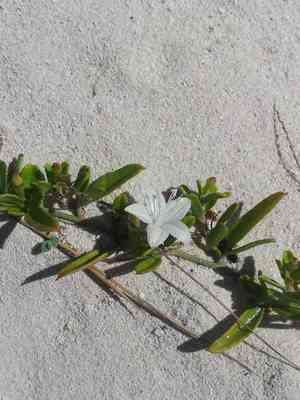
Havana clustervine flourishes when relocated from the very beginning of spring to its peak. Select a bright spot with soil that drains effectively. Bear in mind that careful handling promotes robustness and more vigorous development.
What Preparations are Needed Before Transplanting Havana Clustervine?
What is the Ideal Time for Transplanting Havana Clustervine?
Moving havana clustervine during early to late spring is perfect as the plant gains strength for summer development. This timing ensures optimal root establishment prior to intense heat, leading to a robust, thriving perennial. These advantages include steady adaptation to soil conditions and enhanced resilience to seasonal stresses.
How Much Space Should You Leave Between Havana Clustervine Plants?
When relocating havana clustervine, ensure each plant is spaced 12-18 inches (30-45 cm) apart. This allows for proper growth without crowding and promotes good air circulation.
What is the Best Soil Mix for Havana Clustervine Transplanting?
Prepare well-draining soil rich in organic material for havana clustervine. You can incorporate compost or aged manure to boost fertility. A balanced starter fertilizer like 10-10-10 can also provide an excellent beginning.
Where Should You Relocate Your Havana Clustervine?
Havana clustervine thrives with ample sunlight! Select a spot that receives full sun for at least 6-8 hours daily. This will help them flourish and produce beautiful blooms.
What Equipments Should You Prepare Before Transplantation Havana Clustervine?
Gardening Gloves
To safeguard your hands while handling soil and plants.
Shovel or Spade
To excavate around and beneath the root ball when extracting the plant and creating the new planting hole.
Gardening Fork
To assist in loosening the soil surrounding the plant in its initial location.
Watering Can or Hose
To hydrate the plant before and after its relocation.
Wheelbarrow
To move the plant if the original and new sites are not close.
Plant Marker
To identify the new position of your havana clustervine plant.
How Do You Remove Havana Clustervine from the Soil?
How Do You Remove Havana Clustervine from the Soil?
From Ground: First, moisten the havana clustervine plant to dampen the soil. Next, dig a wide trench around the plant using a shovel or spade, ensuring the plant's root ball remains intact. Carefully work the spade beneath the root ball to lift the plant from its original spot.From Pot: Water the havana clustervine plant thoroughly. Gently tap the pot's sides to loosen the soil and roots. Carefully tilt the pot and slide the plant out, keeping the root ball whole. If the plant is root-bound, you might need to gently separate the roots.From Seedling Tray: Ensure the havana clustervine seedlings are well-hydrated before transplanting. Use a small tool like a butter knife or a pencil to carefully lift the seedlings from the tray, taking care not to harm the delicate roots. Handle by the leaves rather than the stem to avoid crushing the plant.
Step-by-Step Guide for Transplanting Havana Clustervine
Prepare Planting Hole
Dig a hole in the new spot that is twice as wide and equally deep as the root ball of your havana clustervine. This ensures the roots have ample room to spread and grow.
Remove Plant
Carefully extract the havana clustervine from its initial location, following the appropriate method based on whether the plant is in the ground, a pot, or a seedling tray.
Place Plant in Hole
Position your havana clustervine in the center of the hole, making sure the top of the root ball is level with or slightly above the surrounding soil.
Backfill Soil
Gently refill the hole with soil, firming it around the root ball to eliminate air pockets. Be careful not to bury the stem too deeply.
Water Thoroughly
Water the havana clustervine generously after planting to help settle the soil and lessen transplant shock. Ensure the water penetrates deep into the root zone.
Mulch Around Plant
Apply a layer of mulch around the base of your havana clustervine to help retain soil moisture and regulate soil temperature. Keep the mulch a few inches away from the stem to prevent rot.
How Do You Care For Havana Clustervine After Transplanting?
Watering
Keep the soil around the havana clustervine consistently moist, but not waterlogged, for the initial weeks post-transplant to aid in establishing strong roots.
Monitoring
Regularly inspect the havana clustervine for indications of stress such as wilting or yellowing foliage, and adjust irrigation as needed.
Support
If your havana clustervine is a climbing or trailing type, provide support structures like stakes or trellises to help it grow upright and healthy.
Feeding
After the first few weeks, begin applying a balanced fertilizer according to the package directions to encourage vigorous growth.
Troubleshooting Common Issues with Havana Clustervine Transplantation.
When is the best time to transplant havana clustervine?
Relocate havana clustervine between early and late spring for optimal growth and establishment.
How should I space the havana clustervine plants?
Space havana clustervine plants 12-18 inches (30-45 cm) apart to allow for healthy development.
What type of soil is ideal for havana clustervine?
Well-draining, slightly acidic soil with organic matter is perfect for havana clustervine.
How deep should I plant havana clustervine roots?
Plant havana clustervine roots at their previous growing depth, typically 6-8 inches (15-20 cm).
Do I need to water havana clustervine immediately after transplanting?
Yes, water havana clustervine thoroughly right after transplanting to help roots settle and reduce shock.
Should I use a fertilizer when transplanting havana clustervine?
A balanced slow-release fertilizer can support havana clustervine during the relocation process.
How should I handle havana clustervine to avoid damaging it during transplant?
Handle havana clustervine gently by carefully lifting the root ball to prevent root breakage.
Do havana clustervine plants need to be pruned when transplanted?
Prune any damaged or dead parts before transplanting to promote healthy new growth.
How much sunlight does havana clustervine need after transplanting?
Place havana clustervine in an area that receives full sun to partial shade for optimal results.
Is mulch beneficial for newly transplanted havana clustervine plants?
Applying 2-3 inches (5-8 cm) of mulch helps retain moisture and regulate soil temperature.



