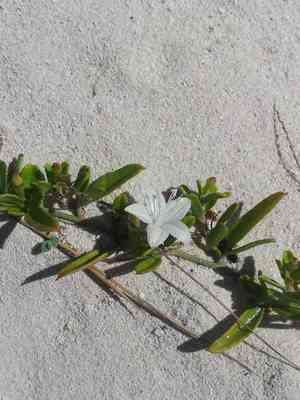
Havana clustervine (Jacquemontia havanensis)
Also known as: Havana clustervine
The Havana clustervine (Jacquemontia havanensis) is a twining vine recognized for its vibrant, green leaves and clusters of small, pale blue or white flowers. This hardy plant flourishes in warm, tropical regions, particularly in coastal environments, showing a strong tolerance for sandy soils and salt spray. Its charming blooms and quick growth rate make it an appealing and adaptable choice for gardens in suitable climates.
In This Article
Attributes of Havana clustervine
Lifespan
Perennial
Plant Type
Vine, Herb
Plant Height
2-3 meters
Spread
N/A, as it is primarily a vine
Leaf Color
Green
Flower Size
2-3 cm
Flower Color
Blue to violet
Images of Havana clustervine
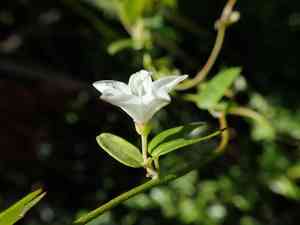
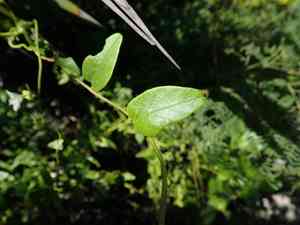
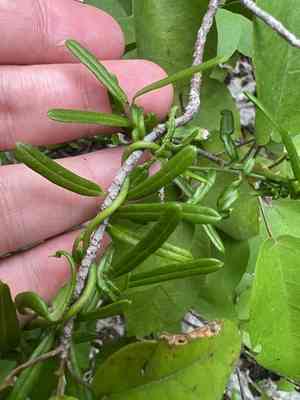
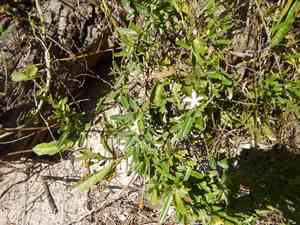
Quickly Identify Havana clustervine
1
Jacquemontia havanensis can be identified by its twining stems, ovate to heart-shaped leaves, and clusters of funnel-shaped blue or violet flowers. The leaves are typically 2-5 cm long, and the flowers have five petals with a diameter of 2-3 cm.
Scientific Classification of Havana clustervine
Phylum
Vascular plants
Class
Dicotyledons
Order
Solanales
Family
Morning-glory
Genus
Clustervines
Species
Havana clustervine
Planting and Growing of Havana clustervine
Care Difficulty
Easy
Watering Schedule
Every 3 days
Sunlight Requirements
Full sun
Sunshine Duration
4-8 hours
Ideal Temperature
70-85℉
Soil Type
Potting Mix, Peat Mix
Soil pH
6.5-7.5
Fertilizer Type
Balanced
Pruning Season
Spring, Summer
Pruning Area
Branches, Leaves
Pruning Frequency
2 times a year
Repotting Season
Spring
Pot Type
Terracotta, Plastic
 How to Water Havana clustervine?
For Jacquemontia havanensis, ensure the soil is consistently moist but not waterlogged. Your goal is to provide enough water that it deeply permeates the soil without drowning the roots – approximately 250 milliliters per watering session.
What are the symptoms of an underwatered Havana clustervine?
›
What should I do if my Havana clustervine is not getting enough water?
›
What are the symptoms of an overwatered Havana clustervine?
›
How to save an overwatered Havana clustervine?
›
 What Are the Sunlight Requirements for Havana clustervine?
Jacquemontia havanensis thrives under full sun to partial sun conditions, benefiting from approximately 6–8 hours of light daily. Ideal light exposure ensures optimal photosynthesis and flowering cycles, maintaining robust plant health.
What is the ideal location for Jacquemontia havanensis
›
How can we adjust sunlight exposure if necessary
›
What benefits does ideal sunlight provide to the plant
›
 What Is the Ideal Temperature Range for Havana clustervine?
The ideal temperature range for Jacquemontia havanensis falls between 70°F and 85°F. Within this range, the plant can carry out photosynthesis efficiently, maintain healthy growth, and resist common temperature-related stresses. This range supports optimal enzymatic activity and nutrient uptake, thereby promoting overall vigor of the plant.
 What Soil is Best for Havana clustervine?
Jacquemontia havanensis thrives in well-draining soil to prevent root rot. Ensuring proper drainage allows the plant to access oxygen more efficiently, promoting healthier growth and preventing waterlogged conditions. A nutrient-rich substrate provides essential nutrients, supporting vigorous growth and vibrant blooms. Incorporating organic matter into the soil enriches it with nutrients, enhancing the plant's vitality. This plant prefers light, aerated soil, facilitating root expansion and healthy respiration. Soil that is too compact can hinder these processes, so loosening the soil or using perlite can help maintain optimal conditions.
 How to Fertilize Havana clustervine?
The recommended amount of liquid fertilizer for Jacquemontia havanensis is typically half the strength of a standard all-purpose liquid fertilizer. Overly concentrated solutions can damage the plant's delicate root system. For solid fertilizers, a small handful (approximately 30 grams) should be spread evenly across the soil surface, making sure it doesn't come into direct contact with the stems.
 How to Prune Havana clustervine?
Begin by inspecting the plant for any dead or damaged stems, removing them with clean and sharp pruning shears. Then, trim back any overgrown branches to shape the plant and encourage bushier growth. Make your cuts just above a node to promote new shoots. Regularly maintain a tidy form by cutting back straggly vines to maintain a compact shape.
More About Pruning Techniques→
 How to Propagate Havana clustervine plant?
1
Start by obtaining healthy seeds of Jacquemontia havanensis. Soak them in water for 24 hours to enhance germination rates. Ensure the water is neither too hot nor too cold.
2
Select healthy, non-flowering stem tips. Cut about 4-6 inches long, remove the lower leaves, and dip the cut end in rooting hormone to encourage root development.
3
For seeds, plant them in moist seed-starting mix. For cuttings, insert them into a well-draining potting mix. Keep them in a warm, bright location but out of direct sunlight.
 How to Repot Havana clustervine plant?
1
Jacquemontia havanensis should be repotted when its roots begin to grow through the drainage holes or it becomes root-bound. Spring and summer are ideal as the plant actively grows and recovers better.
2
Opt for a slightly larger pot with drainage holes to ensure excess water escapes, preventing root rot. A breathable material like terra cotta is excellent, assisting in moisture management and providing stability.
3
Choose a well-draining potting mix rich in organic matter. This mimics its natural habitat, ensuring roots have access to nutrients while preventing waterlogging, allowing the plant to thrive.
Learn More About Havana clustervine Diseases
Anthracnose
Bacterial Leaf Spot
Bacterial Soft Rot
Bacterial Wilt
Damping-off
Downy Mildew
Drought Stress
Fusarium Wilt
Gray Mold
Leaf Spot
Mosaic
Nutrient Deficiency
Nutrient Toxicity
Powdery Mildew
Root Rot
Root-knot Nematode
Rusts
Sooty Mold
Spider Mites
Temperature Stress
Thrips Damage
White Mold



