How to Propagate Havana clustervine?
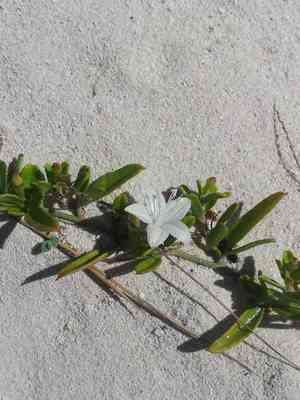
Havana clustervine, a member of the Convolvulaceae family, is a perennial climber recognized for its abundant leaves and groupings of purple-blue blossoms. Perfectly suited for decorative purposes in temperate regions, this plant flourishes in adequately drained soil with ample sunlight. To propagate, obtain semi-hardwood cuttings, preferably measuring 4-6 inches, ensuring each possesses at least one node. Sustain elevated humidity and supply warmth from below to improve the likelihood of root development. Consistent irrigation and moderate nutrient application aid in fostering robust development.
What Is the Best Time To Propagate Havana Clustervine?
Propagation Type
Cutting
Propagation Season
Spring,Summer
What Tools Are Used in Havana Clustervine Propagation?
Pruning Shears
Pruning shears are vital for taking cuttings from havana clustervine. They enable clean, precise cuts that minimize harm to both the parent plant and the cutting itself. Select a pair of sharp, sanitized shears to lower infection risk and encourage faster rooting.
Rooting Hormone
Rooting hormone is essential for promoting root development in havana clustervine cuttings. By dipping the cut end into the hormone powder or gel, you enhance the likelihood of successful root growth. This step is particularly advantageous for havana clustervine as it helps accelerate the rooting process.
Propagation Trays
Propagation trays offer a controlled setting for havana clustervine cuttings to root. These trays can be filled with a well-draining medium, such as a mix of perlite and peat moss, which helps maintain optimal moisture levels while preventing waterlogging.
Humidity Dome
A humidity dome is utilized to maintain a high-humidity environment for havana clustervine cuttings, which is crucial for preventing desiccation and encouraging root formation. By trapping moisture, the dome ensures the cuttings remain hydrated during the critical rooting period.
Spray Bottle
A spray bottle is necessary for misting havana clustervine cuttings. Regular misting helps maintain humidity and keeps the medium adequately moist without overwatering, which is key to preventing fungal issues and encouraging healthy rooting.
Heat Mat
A heat mat placed beneath the propagation trays can provide consistent bottom heat, which is beneficial for havana clustervine cuttings as it encourages faster root development. Maintaining the right temperature is crucial for boosting the success rate of propagation.
Sharp Knife or Scalpel
A sharp knife or scalpel is useful for preparing the cut ends of havana clustervine cuttings. Ensuring a clean cut increases the surface area for rooting hormone application and minimizes plant tissue damage.
Labels and Permanent Markers
Labels and permanent markers are important for keeping track of havana clustervine cuttings. Proper labeling helps in maintaining records of different cutting batches and their progress, ensuring organized and successful propagation.
How to Propagate Havana Clustervine?
Propagation Type
Moderately Difficult
How to Care for Your Newly Propagated Havana Clustervine?
How to Care for Your Newly Propagated Havana Clustervine?
Once roots have developed, typically in a few weeks, gradually acclimate the new havana clustervine plant to normal growing conditions by removing the cover for longer periods each day. Keep the soil consistently moist but not waterlogged. After acclimation, transplant havana clustervine to its permanent location in a well-draining soil with access to bright, indirect sunlight. Regularly prune to encourage bushier growth and monitor for pests or disease.
Common Mistakes to Avoid When Propagating Havana Clustervine
Over-watering
Excessive water can lead to root rot and fungal infections, as havana clustervine prefers well-draining soil.
Improper soil mix
Using soil that retains too much moisture can cause root issues; havana clustervine requires a sandy or loamy mix.
Inadequate light
Insufficient sunlight can hinder growth and reduce the plant's vigor, as havana clustervine thrives in full to partial sun.
Neglecting humidity
Low humidity environments can cause stress and reduce propagation success; havana clustervine benefits from moderate to high humidity levels.
Incorrect cutting technique
Damaging the stem or using dull tools can increase infection risk and reduce the chances of successful rooting.
Crowded conditions
Planting cuttings too close together can lead to competition for resources and increase disease spread.
Tips For Propagating Havana Clustervine
Ensure proper drainage
Use pots with drainage holes and a well-draining soil mix to prevent water accumulation around the roots.
Provide adequate light
Place the cuttings in a location that receives full to partial sunlight to support healthy growth.
Maintain humidity
Use a humidity dome or cover cuttings with a plastic bag to create a humid environment and reduce stress.
Use sharp, sterile tools
Make clean cuts with sterilized scissors or knives to minimize damage and avoid infections.
Space cuttings properly
Provide sufficient space between cuttings to allow airflow and reduce competition for nutrients and water.
Regular monitoring
Check cuttings regularly for signs of disease or pest infestations and take prompt action to address any issues.



