How to Transplant Floating club-rush?
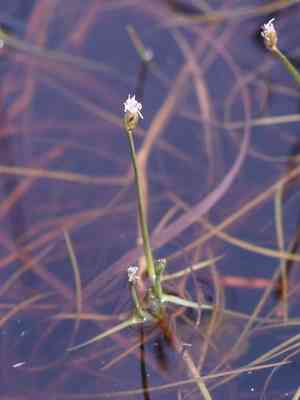
Floating club-rush flourishes optimally when relocated throughout the lively period spanning from the beginning to the end of spring, leveraging the gentler climate. Select well-lit, damp settings to guarantee vigorous re-establishment. Should it be required, preserve the root system intact to facilitate seamless integration.
What Preparations are Needed Before Transplanting Floating Club-rush?
What is the Ideal Time for Transplanting Floating Club-rush?
Move floating club-rush, a perennial, from early to late spring for best development. This period allows root establishment before summer heat, boosting resilience and growth potential. Proper timing maximizes nutrient absorption and reduces transplant shock, leading to strong development.
How Much Space Should You Leave Between Floating Club-rush Plants?
Floating club-rush should be spaced 12-18 inches (30-45 cm) apart to provide sufficient room for growth. This ensures each plant has adequate space to flourish while preventing overcrowding, which can lead to disease.
What is the Best Soil Mix for Floating Club-rush Transplanting?
Floating club-rush prefers well-draining soil enriched with organic matter like compost. Begin with a nitrogen-rich base fertilizer to support vigorous growth. Testing soil pH before planting is advisable, aiming for a slightly acidic to neutral pH (6.0-7.0).
Where Should You Relocate Your Floating Club-rush?
Floating club-rush thrives best in full sun or partial shade. Select a spot where the plant can receive at least 4-6 hours of daily sunlight. This ensures optimal growth and vibrant health.
What Equipments Should You Prepare Before Transplantation Floating Club-rush?
Gardening Gloves
To safeguard your hands while handling soil and the plant.
Shovel or Spade
For excavating around the plant and creating the planting hole.
Hand Trowel
Useful for more precise digging and smoothing the new hole.
Watering Can or Hose
To hydrate the plant before and after relocation.
Mulch
To help retain moisture and regulate soil temperature after transplanting.
Plant Markers
To identify the new location of the plant if needed.
How Do You Remove Floating Club-rush from the Soil?
How Do You Remove Floating Club-rush from the Soil?
From Ground: First, water the floating club-rush plant to moisten the soil. Then, dig a wide trench around the plant using a shovel or spade, ensuring the plant's root ball remains intact. Carefully work the spade under the root ball to lift the plant from its original location.From Pot: Water the floating club-rush plant thoroughly. Gently tip the pot on its side and carefully tap around the pot to loosen the soil. Slide the plant out while supporting the root ball. If the roots are bound, gently tease them apart.From Seedling Tray: Water the seedling tray to ensure the soil is moist. Use a hand trowel to gently lift the seedling out of the tray, being careful to keep the root system intact. Handle the seedling by its leaves, not the stem, to avoid damage.
Step-by-Step Guide for Transplanting Floating Club-rush
Prepare New Site
Dig a hole in the new location that is twice as wide and just as deep as the root ball of the floating club-rush plant. Loosen the soil at the bottom of the hole using a hand trowel.
Remove Plant
Carefully remove the floating club-rush plant from its original location as described in the removal process section.
Inspect Roots
Examine the roots of the floating club-rush plant. If they are tightly wound, gently tease them apart to encourage outward growth.
Transfer to New Hole
Place the floating club-rush plant in the prepared hole, ensuring that the top of the root ball is level with the surrounding soil.
Backfill Soil
Fill the hole with soil, gently packing it down around the root ball to eliminate air pockets. Be careful not to bury the crown of the plant.
Water Thoroughly
Water the floating club-rush plant generously to settle the soil and help the plant adjust to its new location.
Apply Mulch
Spread a layer of mulch around the base of the floating club-rush plant, but avoid piling it directly against the stem.
How Do You Care For Floating Club-rush After Transplanting?
Watering
Keep the soil around the floating club-rush consistently moist, but not soggy, for the first few weeks after transplanting to help establish strong roots.
Mulching
Maintain a layer of mulch around the plant to help retain moisture and regulate soil temperature.
Monitoring
Keep an eye on the floating club-rush for any signs of stress, such as wilting or yellowing leaves, and adjust care as needed.
Weed Control
Regularly remove any weeds around the floating club-rush to reduce competition for nutrients and water.
Troubleshooting Common Issues with Floating Club-rush Transplantation.
When is the best time to transplant floating club-rush?
Move floating club-rush from early spring to late spring for optimal growth and establishment.
How should I space floating club-rush when transplanting?
Space floating club-rush 12-18 inches (30-45 cm) apart to allow ample room for growth.
What type of soil is best for transplanting floating club-rush?
Use well-draining, moderately fertile soil to help floating club-rush thrive after transplanting.
How deep should I plant floating club-rush in its new location?
Plant floating club-rush at the same depth it was growing in its original location.
Should I water floating club-rush immediately after transplanting?
Yes, water floating club-rush thoroughly right after transplanting to help settle the soil around the roots.
How can I reduce transplant shock for floating club-rush?
Water well, avoid root damage, and transplant in cooler temperatures to minimize transplant shock for floating club-rush.
Can I use mulch around floating club-rush after transplanting?
Yes, apply a 2-inch (5 cm) layer of mulch to conserve moisture and reduce weeds around floating club-rush.
How do I prepare floating club-rush for transplanting?
Water floating club-rush well the day before transplanting to help with root hydration and ease of removal.
Do I need to fertilize floating club-rush when transplanting?
Use a balanced, slow-release fertilizer during transplanting to support floating club-rushâs healthy growth.
How often should I water floating club-rush after transplanting?
Keep the soil consistently moist but not waterlogged for several weeks to help floating club-rush establish.



