How to Prune Floating club-rush?
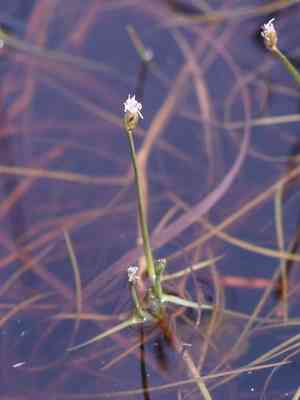
A buoyant aquatic flora, floating club-rush flourishes with infrequent trimming to preserve its form and vigor. The most suitable period for pruning is during early spring or winter to regulate its development. Removing spent stalks improves its look and deters excessive proliferation. Trimming additionally fosters more compact foliage and limits its expansion in water installations, which is crucial for sustaining a harmonious aquatic ecosystem. This upkeep activity guarantees robust growth and visual attractiveness.
What Are the Benefits of Pruning Floating Club-rush?
What Are the Benefits of Pruning Floating Club-rush?
Trimming floating club-rush promotes robust development and preserves its form, preventing excessive growth in aquatic settings and ensuring peak health and visual appeal.
What Is the Best Time for Pruning Floating Club-rush?
What Is the Best Time for Pruning Floating Club-rush?
Trimming floating club-rush in early spring (before the growth season begins) is advantageous as it primes the plant for new development, leading to healthier and denser foliage. Winter pruning, when the plant is dormant, helps maintain its shape and manage its size, reducing stress on floating club-rush during active growth periods.
What Tools Do I Need to Prune Floating Club-rush?
Aquatic Plant Scissors
Long-handled, specifically designed for use in water, allowing for precise cuts without disturbing the overall structure or roots of floating club-rush. Ideal for managing its growth without needing to remove it from its aquatic environment.
Fine Pruning Shears
Useful for finer, more precise cuts on the delicate stems of floating club-rush. Ensures minimal damage to the plants while removing excess growth.
Curved Scissors
Enhances the ease of reaching difficult angles in dense plant clusters, suitable for trimming floating club-rush in crowded or complex aquatic settings.
How to Prune Floating Club-rush
Inspect
Carefully examine floating club-rush for any diseased or withered leaves. Diseased foliage often exhibits discoloration, spots, or deformities, whereas withered leaves appear dry and brown.
Sanitize
Before starting the pruning process, sanitize your pruning tools with rubbing alcohol or a bleach solution to prevent the spread of any pathogens to healthy parts of floating club-rush.
Trim
Using sharp scissors or pruning shears, gently trim off the diseased and withered leaves at the point where they meet healthy tissue. Ensure the cuts are clean and avoid tearing the plant's stems.
Dispose
Carefully dispose of all removed leaves from floating club-rush by placing them in a sealed bag and removing them from the vicinity of other plants to prevent the spread of any diseases.
Clean
After pruning, clean the area around floating club-rush, removing any plant debris from the water (if floating club-rush is grown in water) or from the surface of the planting medium to maintain good hygiene and deter pests.
Common Pruning Mistakes with Floating Club-rush
Over pruning
One frequent error is removing too much foliage from floating club-rush, which can stress the plant and reduce its vitality. It's important to retain a significant amount of greenery to ensure floating club-rush can continue to photosynthesize effectively.
Pruning into old wood
Cutting into old, woody stems of floating club-rush often results in poor or no regrowth. This mistake can lead to sparse foliage which affects the plant's appearance and health.
Inconsistent pruning
Irregular or uneven pruning can result in a lopsided appearance for floating club-rush. Consistency is key to maintaining both the aesthetic and health of the plant.
Using blunt tools
Using dull pruning shears or scissors can damage the delicate stems of floating club-rush, leading to bruising and tears that make the plant susceptible to disease.
Common Pruning Tips for Floating Club-rush
Use sharp instruments
Always use sharp, clean cutting tools to make precise cuts. This ensures that the delicate stems of floating club-rush are cut cleanly without crushing, reducing the risk of plant stress and disease.
Prune for shape
Floating club-rush, being a floating aquatic plant, benefits from shaping to maintain compactness and encourage fuller growth. Remove straggly outer shoots and dead or yellowing stems to enhance its visual appeal and health.
Focus on health
Regularly remove any dead, damaged, or diseased foliage to promote vigorous growth in floating club-rush. This also helps in maintaining good water quality in aquatic environments where floating club-rush resides.
Gentle technique
When pruning floating club-rush, handle the plant gently to avoid detaching stems from their root system. Floating plants like floating club-rush can be sensitive to rough handling.



