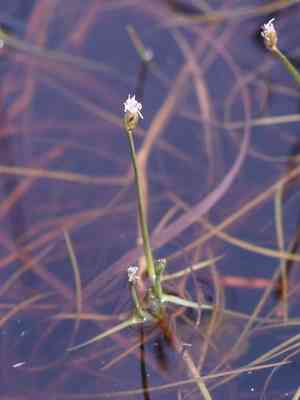
Floating club-rush (Isolepis fluitans)
Also known as: Floating spikerush
Isolepis fluitans, also known as Scirpus fluitans or floating scirpus, is a flowering plant in the sedge family. This species can be found across Africa, Australasia, Europe, and the Pacific regions. It was originally described by Carl Linnaeus in 1753. Later, in 1810, botanist Robert Brown reclassified it under the genus Isolepis.
In This Article
Attributes of Floating club-rush
Lifespan
Perennial
Plant Type
Grass
Plant Height
10-30 cm
Spread
Not applicable in traditional sense, spreads by mat-forming
Leaf Color
Green
Flower Size
Less than 1 cm
Flower Color
Brownish or greenish
Images of Floating club-rush


Quickly Identify Floating club-rush
1
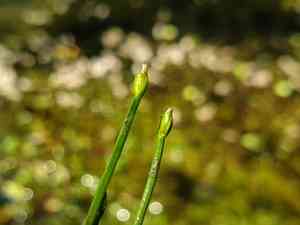
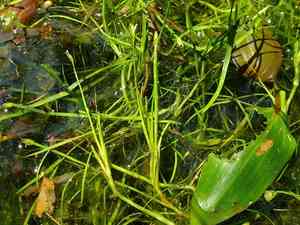
Isolepis fluitans can be identified by its thin, grass-like stems and ability to float on water. The stems are mostly hollow and support small, inconspicuous flowers.
Scientific Classification of Floating club-rush
Phylum
Vascular plants
Class
Monocotyledons
Order
Poales
Family
Sedge
Genus
Isolepis
Species
Floating club-rush
Planting and Growing of Floating club-rush
Care Difficulty
Easy
Watering Schedule
Every 8 days
Sunlight Requirements
Partial sun
Sunshine Duration
6-10 hours
Ideal Temperature
68-77℉
Soil Type
Potting Mix, Peat Mix
Soil pH
6.5-7.5
Fertilizer Type
Balanced
Pruning Season
Spring, Summer
Pruning Area
Branches, Leaves
Pruning Frequency
2 times a year
Repotting Season
Spring
Pot Type
Plastic, Ceramic
 How to Water Floating club-rush?
When watering Isolepis fluitans, ensure the soil is thoroughly moistened without causing waterlogging. Aim to keep the soil consistently moist, but not soggy, as this plant thrives in a damp environment. Use about 250 ml of water per watering session.
What are the symptoms of an underwatered Floating club-rush?
›
What should I do if my Floating club-rush is not getting enough water?
›
What are the symptoms of an overwatered Floating club-rush?
›
How to save an overwatered Floating club-rush?
›
 What Are the Sunlight Requirements for Floating club-rush?
Isolepis fluitans ideally enjoys partial to full sun, providing it with energy needed for robust growth. With suitable light, the plant can maintain its lush nature and display healthy, vibrant foliage.
How much sun should Isolepis fluitans receive?
›
How do I ensure the ideal light conditions?
›
What benefits does ideal lighting bring?
›
 What Is the Ideal Temperature Range for Floating club-rush?
Isolepis fluitans thrives best in temperatures ranging from 68°F to 77°F. These conditions mimic its natural warm and mild habitats, allowing optimal growth and development. It is important to maintain these temperatures consistently, as fluctuations can lead to stress in the plant.
 What Soil is Best for Floating club-rush?
Isolepis fluitans thrives in soils that are rich in nutrients. Such soil ensures a steady supply of essential nutrients, promoting vigorous growth and healthy foliage. Proper drainage is crucial to avoid waterlogging, which can lead to root rot. A well-drained substrate ensures that excess water is quickly removed, keeping the roots healthy and supported. This plant requires soil with consistent moisture to thrive without becoming soggy. Constant moisture facilitates the plant's metabolic processes and nutrient absorption.
 How to Fertilize Floating club-rush?
Isolepis fluitans should be fertilized with care. Use a balanced liquid fertilizer diluted to 1/2 the recommended strength. This ensures the plant receives necessary nutrients without overwhelming its root system.
 How to Prune Floating club-rush?
Begin by examining the plant for any stems that appear brown, wilted, or diseased. These should be the first to be removed as they do not contribute to the plant's health and can be a source of further infection. Decide on the desired shape or size of your Isolepis fluitans. Carefully trim back the longer stems to maintain an even and compact appearance. This encourages the plant to grow thicker and more bushy rather than tall and sparse. After pruning, it is essential to clean up all plant clippings. Leaving cuttings can invite pests or create an environment for mold growth, which can affect the plant's health over time.
More About Pruning Techniques→
 How to Propagate Floating club-rush plant?
1
Collect seeds once they are ripe. Clean them thoroughly to remove any debris. Soak them overnight in lukewarm water to soften the seed coat and promote germination.
2
Gently dig up the plant ensuring minimal root disturbance. Identify natural divisions and separate using a clean spade or knife, replanting immediately in fresh soil.
3
Fill seed trays with a well-draining potting mix. Sow seeds sparingly on top of the soil and cover lightly with a thin layer of soil, then water gently.
 How to Repot Floating club-rush plant?
1
Repot Isolepis fluitans when you notice its roots coming out of the drainage holes or when the plant looks too big for its current pot. This often occurs every 2-3 years. Spring and early summer are ideal times, as the plant is in its active growth phase, which allows it to recover more quickly from the repotting process.
2
Select a pot that is only slightly larger than the current one, as too much extra soil can retain excess moisture, potentially leading to root rot. The pot should have ample drainage holes to ensure excess water can escape, preventing waterlogging. A ceramic or plastic pot can be suitable, depending on your aesthetic preference.
3
A moist, well-draining potting mix is essential for Isolepis fluitans. The soil should retain enough moisture to keep the roots hydrated without becoming soggy. Adding some sand or perlite can enhance drainage, ensuring the roots receive enough oxygen. This balance helps maintain vibrant, healthy growth.



