How to Transplant Alkali jimmyweed?
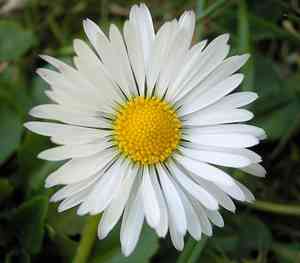
Relocate alkali jimmyweed when temperatures rise in late spring or as fall colors emerge, allowing its root system to settle prior to extreme cold or heat. Choose bright, well-draining locations, and for optimal outcomes, carefully manage the roots to encourage development.
Essential Preparations Before Relocating Alkali Jimmyweed
Optimal Period for Moving Alkali Jimmyweed?
The best time for transplanting alkali jimmyweed is from late spring to early summer, or from mid-to-late autumn. These periods offer mild temperatures, aiding root establishment and reducing stress. Selecting these favorable times ensures alkali jimmyweed adapts well, leading to vigorous growth and resilience.
Recommended Spacing Between Alkali Jimmyweed Plants?
When transplanting alkali jimmyweed, provide ample room for development. Aim for a separation of approximately 24-36 inches (61-91 cm). This spacing allows alkali jimmyweed to expand healthily without competing for vital nutrients!
Ideal Soil Blend for Alkali Jimmyweed Transplantation?
For robust development, alkali jimmyweed prefers well-draining soil. Enhance your garden bed by mixing native soil with compost to enrich it with nutrients. Prior to planting, gently incorporate a balanced slow-release fertilizer to give alkali jimmyweed a beneficial start.
Choosing a New Location for Your Alkali Jimmyweed?
Select a sunny location for your alkali jimmyweed, where it can receive at least 6 hours of direct sunlight daily. Alkali jimmyweed flourishes in bright sun, so pick a spot not shaded by trees or structures for optimal results.
Tools Required for Alkali Jimmyweed Transplantation
Shovel or Spade
For excavating the plant and preparing the new planting site.
Watering Can or Hose
To hydrate the plant before and after its relocation.
Garden Trowel
Useful for adjusting soil in the new spot or for smaller planting tasks.
Gardening Gloves
To safeguard your hands while handling soil and plants.
Wheelbarrow or Garden Cart
For moving the plant and soil if necessary.
Pruning Shears
To trim any damaged roots or foliage prior to transplanting.
Root Pruning Saw
For cutting through larger, tougher roots when required.
Method for Extracting Alkali Jimmyweed from the Ground
How to Extract Alkali Jimmyweed from the Soil?
From Ground: First, moisten the alkali jimmyweed plant's soil. Then, dig a wide trench around the plant with a shovel or spade, ensuring the root ball remains intact. Carefully work the tool beneath the root ball to lift the plant.From Pot: Begin by watering the soil in the pot to facilitate removal. Tilt the pot sideways and tap its sides to loosen the root ball. Grasp the base of the alkali jimmyweed plant and gently pull it from the pot.From Seedling Tray: Water the seedlings to minimize root disturbance. Use a garden trowel or your fingers to carefully lift each alkali jimmyweed plant from its compartment, supporting the root base.
Step-by-Step Guide for Relocating Alkali Jimmyweed
Preparation
Thoroughly water the alkali jimmyweed several hours before transplanting to ensure the root ball is moist, which helps maintain its structure during the move.
Excavating the New Hole
Use a shovel to dig a hole twice as wide as the root ball and of equal depth, ensuring alkali jimmyweed is planted at its original growing level.
Plant Extraction
Choose the appropriate removal method from the ground, pot, or seedling tray, using the discussed techniques to safely extract alkali jimmyweed while preserving its root system.
Root Trimming
Remove any broken or damaged roots with pruning shears or a root pruning saw to encourage new growth and prevent potential disease spread.
Positioning in New Site
Place alkali jimmyweed in the center of the hole, gently spreading its roots. Adjust depth by adding or removing soil until the plant is level with the ground surface.
Backfilling
Fill in around the roots with soil, gently tamping it down to remove air pockets and secure the plant, but avoid over-compacting the soil.
Initial Watering
Water alkali jimmyweed generously immediately after transplanting to settle the soil around the roots and help alleviate transplant shock.
Post-Transplant Care for Alkali Jimmyweed
Mulching
Apply a layer of organic mulch around the base of alkali jimmyweed to help retain soil moisture and regulate temperature, but avoid piling it against the stem or leaves.
Monitoring
Observe alkali jimmyweed for signs of transplant shock, such as wilting or discolored leaves, and address issues as needed.
Support
If alkali jimmyweed is tall or top-heavy, stake the plant to provide support until it can stand firmly on its own.
Pruning
Trim back any excess foliage to reduce stress on alkali jimmyweed's root system as it establishes itself in the new location.
Regular Inspection
Periodically check alkali jimmyweed for any pests or diseases that might exploit its vulnerable state post-transplant.
Addressing Common Issues with Alkali Jimmyweed Transplantation.
When is the best time to transplant alkali jimmyweed?
The ideal period is during mild seasons, specifically late spring to early summer or mid-to-late autumn, to promote root establishment.
What spacing should I use for alkali jimmyweed during transplanting?
Aim for a distance of 24-36 inches (61-91 cm) between each plant. This provides ample room for growth.
What soil type does alkali jimmyweed prefer after transplanting?
Ideally, plant alkali jimmyweed in well-draining soil with a slightly alkaline pH, mimicking its natural habitat.
How deep should the hole be for transplanting alkali jimmyweed?
Dig a hole twice as wide as the root ball and equally deep, allowing the roots to spread easily.
What if my transplanted alkali jimmyweed shows signs of wilting?
Ensure it receives sufficient water, especially post-transplant, but prevent waterlogging. Verify proper drainage.
How much water does alkali jimmyweed require after transplanting?
Initially, water deeply to settle the soil around roots, then maintain moist conditions until the plant is established.
Can I use fertilizer when transplanting alkali jimmyweed?
It's best to avoid strong fertilizers. Use compost or a mild, slow-release fertilizer if necessary to encourage growth.
Should I prune alkali jimmyweed during transplanting?
Light pruning can help with shock, but excessive pruning is not recommended. Focus on damaged or diseased parts if needed.
How do I protect my transplanted alkali jimmyweed from pests?
Monitor regularly for pests. Employ suitable measures like insecticidal soap or neem oil as a preventative strategy.
What to do if alkali jimmyweed isn't thriving after transplanting?
Check for stress indicators like discoloration or limpness. Adjust watering, and consider soil amendments for improvement.



