How to Prune Alkali jimmyweed?
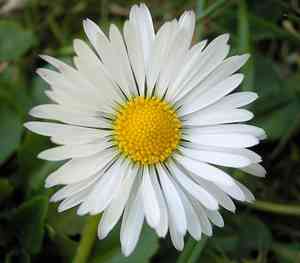
This resilient shrub, known for its yellow blossoms and ability to thrive in dry conditions, benefits from periodic trimming. The most effective time for pruning is in late winter or early spring to stimulate robust development and preserve the plant's well-being. Remove any lifeless or frail branches and sculpt as preferred, making precise cuts to encourage fresh shoots. Consistent trimming can deter excessive woodiness and improve the plant's aesthetic. Refrain from severe cutting to safeguard its inherent form.
What Are the Benefits of Pruning Alkali Jimmyweed?
What Are the Benefits of Pruning Alkali Jimmyweed?
Trimming alkali jimmyweed promotes robust development and helps maintain its desired shape. Consistent cutting fosters a strong and healthy framework, crucial for optimal plant growth.
What Is the Best Time for Pruning Alkali Jimmyweed?
What Is the Best Time for Pruning Alkali Jimmyweed?
Pruning alkali jimmyweed in late winter or early spring is ideal because this period aligns with the plant's dormant phase and precedes the start of its active growth cycle. Pruning while the plant is inactive minimizes stress and sap loss. Furthermore, the absence of leaves at this time allows for clearer visibility of the plant's structure, enabling more precise cuts. Removing dead or diseased branches at this point encourages vigorous growth and prevents the spread of pathogens. It also stimulates new growth that can support flowering during the plant's bloom cycle in subsequent months. Pruning before new growth begins ensures that the plant's energy is directed towards producing healthy new shoots and maintaining a strong form, leading to an overall healthier alkali jimmyweed.
What Tools Do I Need to Prune Alkali Jimmyweed?
Hand Pruners
These are essential for making clean cuts on alkali jimmyweed's stems. They are best suited for small to medium-sized branches, typically up to ¾ inches in diameter. Choose bypass pruners over anvil-type as they create cleaner cuts that heal faster, reducing the risk of disease.
Lopping Shears
For branches that are somewhat thicker, generally between 1½ to 2 inches in diameter, lopping shears will provide the necessary leverage. These long-handled tools assist in reaching deeper into the dense growth of alkali jimmyweed for selective thinning without harming surrounding stems.
Pruning Saws
For the thickest branches of alkali jimmyweed, exceeding 2 inches in diameter, a pruning saw becomes indispensable. These saws come in various sizes and blade types, suitable for cutting larger branches with precision, avoiding undue stress on the plant.
How to Prune Alkali Jimmyweed
Disinfect tools
Before beginning the pruning process, ensure all pruning tools are disinfected to prevent disease transmission. Use a solution of one part bleach to nine parts water, or rubbing alcohol to sterilize the blades of your pruning shears or clippers.
Remove diseased leaves
Carefully inspect alkali jimmyweed for any signs of disease on its foliage. Using your sterilized shears, snip off diseased leaves at their base. Avoid tearing the leaves as this can create wounds on the plant that may attract pests or lead to further disease.
Trim withered leaves
Identify withered or yellowing leaves on alkali jimmyweed. These leaves no longer benefit the plant and can be gently removed by cutting them at the base with your cleaned shears. This will redirect the plant’s energy towards new growth.
Cut dead branches
Locate dead branches on alkali jimmyweed by checking for branches that are brittle and lack green growth. Prune these branches close to the main stem without cutting into the healthy tissue. Make the cut at a slight angle to shed water and aid healing.
Prune diseased branches
Carefully prune away any diseased branches on alkali jimmyweed, ensuring to cut well below the affected area to remove all diseased tissue. Sanitize your tools after each cut to avoid transferring pathogens to healthy parts of the plant.
Common Pruning Mistakes with Alkali Jimmyweed
Overpruning
Removing too much foliage at once can stress alkali jimmyweed, potentially leading to poor health and reduced vigor. Prune conservatively, as alkali jimmyweed can have difficulty recovering from severe cuts.
Improper cutting technique
Using dull tools or making jagged cuts can damage alkali jimmyweed's tissues, inviting pests and diseases. Make clean, angled cuts with sharp pruners.
Disregarding plant shape
Pruning without considering the natural form of alkali jimmyweed can result in an unnatural appearance and hinder its growth. Follow the natural shape of the plant for a more aesthetically pleasing outcome.
Pruning too low
Trimming alkali jimmyweed too close to the ground can remove emerging growth points, negatively affecting its growth. Leave a reasonable height to maintain its health and allow for new growth.
Ignoring dead material
Failing to remove dead or dying material not only affects the appearance but can also detract from alkali jimmyweed's health by attracting pests and disease. Regularly clear away dead stems and leaves.
Common Pruning Tips for Alkali Jimmyweed
Timing and frequency
Regularly inspect alkali jimmyweed and prune as needed to remove dead or damaged stems. Perform maintenance pruning to encourage airflow and light penetration.
Follow growth patterns
Observe the growth direction of stems and prune in a way that encourages outward growth, which helps maintain the plant's natural form and prevents overcrowding.
Tool sanitization
Before pruning alkali jimmyweed, always sanitize your tools to prevent the spread of diseases. Clean cuts are vital for the plant's rapid healing.
Correct cut location
Make cuts just above a leaf node or branch junction. This practice promotes healthier regrowth and maintains the structure of alkali jimmyweed.
Health assessment
Before pruning, assess the overall health of alkali jimmyweed to determine the extent of pruning needed. Focus on removing only the necessary parts to facilitate growth without overstressing the plant.



