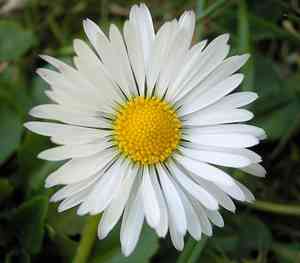
Alkali jimmyweed (Isocoma acradenia)
Also known as: alkali goldenbush, alkali jimmyweed
Isocoma acradenia, commonly referred to as alkali goldenbush, is a bushy shrub native to the southwestern United States and northern Mexico. It typically thrives in arid environments such as deserts, dry washes, and alkali flats.
In This Article
Attributes of Alkali jimmyweed
Lifespan
Perennial
Plant Type
Shrub
Plant Height
1.2 m
Spread
1 to 2 feet (30 to 60 cm)
Leaf Color
Green
Flower Size
0.5 inches (1.2 cm)
Flower Color
Yellow
Images of Alkali jimmyweed
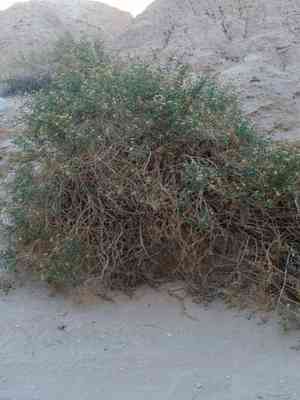
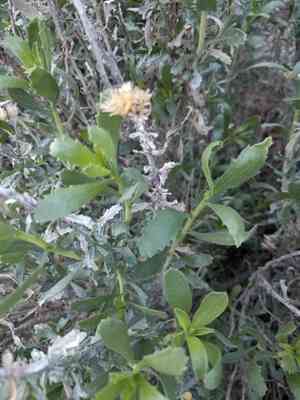
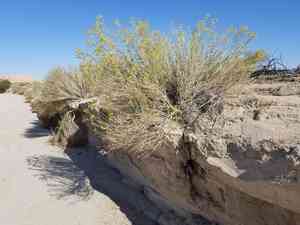
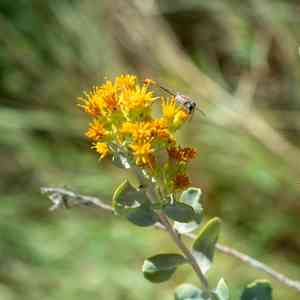
Quickly Identify Alkali jimmyweed
1
To identify Isocoma acradenia, look for a perennial shrub with branching stems and bright yellow flower heads. The leaves are narrow, linear, and can have a sticky texture. The plant typically grows in alkaline soils.
Scientific Classification of Alkali jimmyweed
Phylum
Vascular plants
Class
Dicotyledons
Order
Asterales
Family
Daisy
Genus
Jimmyweeds
Species
Alkali jimmyweed
Planting and Growing of Alkali jimmyweed
Care Difficulty
Easy
Watering Schedule
Every day
Sunlight Requirements
Full sun
Sunshine Duration
4-8 hours
Ideal Temperature
60-75℉
Soil Type
Potting Mix, Peat Mix
Soil pH
6-8
Fertilizer Type
Balanced
Pruning Season
Spring, Summer
Pruning Area
Leaves, Branches
Pruning Frequency
2 times a year
Repotting Season
Spring
Pot Type
Plastic, Ceramic
 How to Water Alkali jimmyweed?
The watering volume for Isocoma acradenia should follow the principle of deep soaking, ensuring water reaches the root zone. This means you should pour approximately 200 milliliters of water at each session, allowing the soil to absorb moisture without becoming waterlogged.
What are the symptoms of an underwatered Alkali jimmyweed?
›
What should I do if my Alkali jimmyweed is not getting enough water?
›
What are the symptoms of an overwatered Alkali jimmyweed?
›
How to save an overwatered Alkali jimmyweed?
›
 What Are the Sunlight Requirements for Alkali jimmyweed?
Isocoma acradenia thrives in areas offering full sun to partial sun. This range supports vigorous blooming, enhancing the plant's ornamental value and health.
What type of light is best for Isocoma acradenia?
›
How can you provide ideal light conditions?
›
What benefits does the ideal lighting offer?
›
 What Is the Ideal Temperature Range for Alkali jimmyweed?
Isocoma acradenia thrives best in temperatures ranging from 60 to 75 degrees Fahrenheit. This range supports optimal photosynthesis and nutrient uptake, ensuring the plant grows robustly with strong stems and vibrant foliage. Consistent exposure to this temperature range minimizes stress and enhances the plant's ability to ward off pests and diseases.
 What Soil is Best for Alkali jimmyweed?
Isocoma acradenia thrives in well-drained soils, which prevent root rot by not allowing water to pool around the roots. This ensures healthy root growth and supports the plant's ability to access nutrients efficiently. This plant is adapted to grow in low-fertility soils, reflecting its natural habitat. By prospering in nutrient-poor conditions, it maintains a balance in growth and prevents over-fertilization issues, leading to a more resilient plant. A preference for sandy soil textures helps Isocoma acradenia by providing excellent aeration and drainage. This ensures that the plant's roots receive ample oxygen and reduces the likelihood of fungal diseases.
 How to Fertilize Alkali jimmyweed?
For Isocoma acradenia, use a balanced fertilizer with equal parts of nitrogen, phosphorus, and potassium. Apply liquid fertilizer mixed with water at half the strength recommended on the package. For slow-release fertilizers, use a quantity that provides approximately 20 grams of actual nitrogen per plant per year. Ensure the fertilizer is well distributed around the root zone.
 How to Prune Alkali jimmyweed?
While pruning is essential, over-pruning can stress Isocoma acradenia and hinder its ability to produce flowers. Ensure you leave enough foliage for the plant to adequately photosynthesize. Overly aggressive cuts can reduce flowering capacity for the season. It's crucial to time your pruning sessions to avoid shocking the plant. Pruning in the early Spring gives Isocoma acradenia sufficient time to recover before the growing season, while Autumn pruning can prepare it for dormancy. Always avoid pruning during extreme temperatures or when the plant is under stress.
More About Pruning Techniques→
 How to Propagate Alkali jimmyweed plant?
1
Collect seeds from mature Isocoma acradenia plants. Fill seed trays with a well-draining potting mix, gently press seeds into the soil, and cover lightly. Keep the soil moist and place trays in a warm, sunny location.
2
Select healthy stems from the parent plant. Cut 4-6 inch sections below a node and remove the lower leaves. Dip the cut end into rooting hormone powder to enhance root development before planting.
3
To propagate by division, carefully dig up the plant and separate the root clumps with a sharp knife. Replant the divisions in suitable locations, ensuring they are watered well to reduce transplant shock.
 How to Repot Alkali jimmyweed plant?
1
Isocoma acradenia usually shows signs of needing repotting when its roots begin to circle the pot or grow out of the drainage holes. Additionally, slow growth or yellowing leaves can indicate root-bound conditions. The ideal time for repotting is during the growing seasons of spring or summer, when the plant can easily recover and establish itself in a new pot.
2
Select a pot that is one size larger than the current one, ensuring it has adequate drainage holes to prevent waterlogging. A terracotta pot is beneficial as it allows for better airflow to the roots, minimizing the risk of root rot. Proper pot selection aids in better root development and reduces the frequency of repotting due to its durable nature.
3
Opt for a well-draining cactus or succulent mix, which helps mimic the plant's natural arid environment. This soil composition, often lighter and mixed with materials like perlite or sand, enhances drainage and aeration. Utilizing such soil is crucial for preventing over-retention of moisture, protecting the plant from developing root rot or fungal diseases.
Toxicity
Ingestion
WARNING
The judgment on toxicity and danger is for reference only. We DO NOT GUARANTEE any accuracy of such judgment. Therefore, you SHALL NOT rely on such judgment. It is IMPORTANT TO SEEK PROFESSIONAL ADVICE in advance when necessary.
Learn More About Alkali jimmyweed Diseases
Anthracnose
Bacterial Leaf Spot
Bacterial Wilt
Chemical Injury
Crown Gall
Cyst Nematode
Damping-off
Downy Mildew
Drought Stress
Fusarium Wilt
Gray Mold
Leaf Spot
Mosaic
Nutrient Deficiency
Nutrient Toxicity
Powdery Mildew
Root Rot
Root-knot Nematode
Rusts
Sooty Mold
Spider Mites
Temperature Stress
Thrips Damage
White Mold



