How to Transplant Batiki bluegrass?
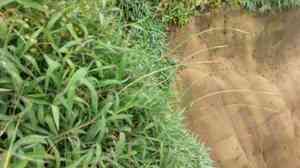
For vigorous development, relocate batiki bluegrass as the natural world awakens, generally from the start of spring's vitality through the beginning of summer. Select a location with ample sunlight and soil that drains effectively, and if the batiki bluegrass is mature, it's crucial to minimize disruption to its root system.
Essential Preparations Before Relocating Batiki Bluegrass?
When is the Best Time to Move Batiki Bluegrass?
The prime time for moving batiki bluegrass is in early spring, once the ground begins to warm. This timing allows roots to settle before summer's heat. Mild temperatures and increased moisture at this point create ideal conditions for root development, minimizing shock and encouraging strong establishment.
What is the Recommended Spacing Between Batiki Bluegrass Plants?
Prior to planting batiki bluegrass, ensure adequate room for growth. A distance of 18-24 inches (45-60 cm) between plants is generally effective. This spacing provides each plant sufficient area to thrive and absorb necessary nutrients!
Which Soil Mixture is Optimal for Batiki Bluegrass Transplantation?
Got your digging tool ready? Batiki bluegrass prefers soil that drains well and has a nutritional boost! Mix in some compost or a balanced, slow-release fertilizer into the soil before planting. Healthy soil equals a flourishing batiki bluegrass!
Where Should You Replant Your Batiki Bluegrass?
Finding the perfect sunny spot for your batiki bluegrass is like choosing a delightful beach getaway! Select a location where they will enjoy full to partial sunlight, absorbing those rays for consistent development. A little sun exposure works wonders!
What Tools Should You Prepare Before Transplanting Batiki Bluegrass?
Gardening Gloves
To safeguard your hands while handling soil and plants.
Shovel or Spade
For excavating the batiki bluegrass from its initial spot.
Garden Trowel
To refine the planting hole or lift smaller specimens.
Watering Can or Hose
To hydrate the batiki bluegrass post-transplant.
Pruning Shears
To trim any damaged roots or leaves prior to relocation.
Wheelbarrow or Garden Cart
To transport the batiki bluegrass and soil.
Measuring Tape
To ensure correct spacing when planting multiple batiki bluegrass plants.
How Do You Extract Batiki Bluegrass from the Ground?
How Do You Extract Batiki Bluegrass from the Ground?
From Ground: Water the batiki bluegrass thoroughly to facilitate its removal. Use the shovel to carefully dig around the plant, leaving ample space to avoid cutting the root ball. Gently slide the shovel under the root ball to lift the plant from the soil.From Pot: First, water the soil in the pot to make removing the batiki bluegrass easier. Tilt the pot sideways and gently tap or squeeze its exterior to loosen the plant. Carefully pull the plant by its base, not the leaves or stems, until it comes out.From Seedling Tray: The batiki bluegrass should be watered before attempting removal. Use a garden trowel or similar tool to gently push the seedling out of the tray from underneath. Support the plant from its base rather than pulling on the foliage.
Detailed Guide for Transplanting Batiki Bluegrass
Preparation
Ensure all necessary tools are ready and the transplant location is identified.
Digging the Hole
Use the garden trowel to create a hole in the ground that is twice the width of the batiki bluegrass plant's root ball and of equal depth.
Plant Removal
Follow the removal instructions carefully to lift the batiki bluegrass from its original spot, preserving the root structure.
Prepare the Plant
Inspect the batiki bluegrass's root ball. Use pruning shears to gently snip off any broken or dead roots.
Placing the Plant
Position the batiki bluegrass in the center of the hole. The top of the root ball should be level with the surrounding soil surface.
Backfilling
Fill in around the root ball with soil, gently pressing down to eliminate air pockets. Ensure the batiki bluegrass is upright and centered.
Water Thoroughly
Water the batiki bluegrass generously after planting to settle the soil and aid in root establishment.
Mulching
While not mandatory, applying a layer of mulch around the base of the batiki bluegrass can help retain moisture and suppress weeds.
How to Care for Batiki Bluegrass After Transplantation?
Initial Watering
Water the batiki bluegrass deeply immediately after transplanting to help settle the soil. Continue regular watering, keeping the soil moist to encourage root growth.
Monitoring
Observe for signs of transplant shock, such as wilting or leaf drop. Be patient as it may take time for the batiki bluegrass to recover and establish.
Pruning
Trim back any foliage damaged during the transplant process to help direct the batiki bluegrass's energy towards root development.
Staking
If the batiki bluegrass is top-heavy or in a windy area, consider staking it for extra support until its roots are established.
Protection
Watch out for pests or diseases that might affect the stressed batiki bluegrass and take prompt action if necessary.
Addressing Common Issues with Batiki Bluegrass Transplantation.
What's the ideal season to transplant batiki bluegrass?
The best transplant times are from early to late spring, when conditions favor root establishment.
How much space does batiki bluegrass require between plants?
Allow approximately 18-24 inches (45-60 cm) between batiki bluegrass to ensure adequate air circulation and growth.
Why isn't my batiki bluegrass thriving after transplanting?
Ensure it's planted at the correct depth, receiving sufficient water, and that soil conditions are appropriate. Transplant stress can temporarily impact batiki bluegrass.
How deep should I plant batiki bluegrass when transplanting?
The root ball should be level with the soil surface. Planting too deep or shallow can stress batiki bluegrass.
Can I transplant batiki bluegrass during the summer?
It's possible, but early to late spring transplanting is preferable to avoid heat stress during the critical root establishment phase.
What are the indicators of transplant shock in batiki bluegrass?
Wilting, yellowing, or dropped leaves and slowed growth are common signs. Proper care can help batiki bluegrass recover.
How frequently should I water batiki bluegrass post-transplant?
Keep the soil consistently moist but not waterlogged for the initial few weeks, allowing the plant to establish.
What type of soil is best for transplanting batiki bluegrass?
Well-draining soil rich in organic matter helps batiki bluegrass flourish. Amend soil with compost if it lacks nutrients.
Should I fertilize batiki bluegrass immediately after transplanting?
Wait a few weeks before fertilizing to prevent root burn. Let batiki bluegrass settle into its new location first.
How do I prepare the site before transplanting batiki bluegrass?
Clear weeds, loosen the soil, and add organic matter to the site to create a welcoming environment for batiki bluegrass.



