How to Prune Batiki bluegrass?
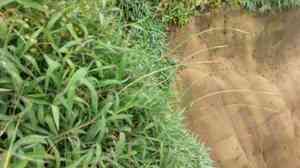
For best results, trim batiki bluegrass in early spring or during winter. Consistent cutting encourages a compact form and preserves its structure. Remove any deceased or excessively long stems, focusing on mature leaves to stimulate robust new development. Performing this task while the plant is dormant reduces strain, boosting batiki bluegrass's hardiness and visual attractiveness. This upkeep regimen leads to more robust plants and better containment for cultivators.
What Are the Benefits of Pruning Batiki Bluegrass?
What Are the Benefits of Pruning Batiki Bluegrass?
Trimming batiki bluegrass promotes robust development and helps preserve its desired form. Strategic cuts enhance vitality and visual appeal, essential for lawns and forage systems.
What Is the Best Time for Pruning Batiki Bluegrass?
What Is the Best Time for Pruning Batiki Bluegrass?
Trimming or cutting batiki bluegrass in early spring is very advantageous as it aids in removing any damage from cold weather and stimulates vigorous new growth during the active season. By tidying the plant before rapid growth begins, gardeners help batiki bluegrass direct its energy toward developing a lush and healthy cover. Winter pruning is also beneficial, especially in areas where batiki bluegrass goes dormant. During this period, the absence of leaves provides a clear view of the plant's structure, making it simpler to shape and remove any dead or diseased material without significant stress to the plant. This timing ensures that batiki bluegrass will have the best chance for recovery and strong growth when temperatures rise in the spring.
What Tools Do I Need to Prune Batiki Bluegrass?
Hand Shears
Batiki bluegrass is a type of grass, and hand shears are perfect for trimming grass blades and eliminating dead or unwanted growth. They offer precision and control over the cutting process, ensuring a clean cut without harming the plant.
Grass Clippers
For keeping batiki bluegrass neat, grass clippers are useful for quickly trimming and shaping areas. Their design is suitable for the thin blades of batiki bluegrass, allowing for quick, efficient cuts without damaging the plant.
String Trimmer
When batiki bluegrass needs to be cut back over larger areas, a string trimmer can offer a more efficient method of pruning than manual tools. With proper technique, a string trimmer can evenly cut back batiki bluegrass without causing undue stress to the plants.
How to Prune Batiki Bluegrass
Sanitize
Before beginning, sterilize all pruning tools with a solution of 1 part bleach to 9 parts water to prevent disease spread.
Identify
Carefully examine batiki bluegrass to locate diseased and withered leaves. Look for any signs of discoloration, spots, or decay.
Cut
Using sharp pruning shears, cut diseased leaves at the base of the stem. For withered leaves, prune at the point where the healthy tissue starts.
Dispose
Immediately remove and discard the diseased and withered foliage in a way that prevents contamination of healthy plant areas or other plants.
Cleanup
Clean the pruned area to ensure no plant debris is left on or near batiki bluegrass, which could harbor pests or diseases. Sanitize tools again after finishing.
Common Pruning Mistakes with Batiki Bluegrass
Overpruning
Cutting back batiki bluegrass too severely can diminish its vigor and resilience. Batiki bluegrass should not be pruned too aggressively as it might hinder its growth instead of promoting it. Leave enough foliage to ensure continued photosynthesis and energy production.
Improper Tool Usage
Using dull or dirty tools can damage batiki bluegrass's stems, leading to jagged cuts that are susceptible to disease. Always use sharp, clean tools to make precise cuts.
Pruning Into Old Wood
Avoid cutting into the old, hardened wood of batiki bluegrass. This can slow down regrowth because batiki bluegrass typically responds best when pruned into the green, actively growing stems.
Ignoring Plant Shape
Indiscriminate cuts without considering the natural form of batiki bluegrass can result in a lack of balance and aesthetics. Aim to maintain the natural shape of the plant while pruning.
Pruning Blindly
Randomly pruning without a clear goal or understanding of the plant's structure can lead to unsightly results and poor growth patterns. Always have a plan before you start cutting.
Common Pruning Tips for Batiki Bluegrass
Selective Thinning
Remove specific parts of batiki bluegrass to improve light penetration and air circulation. Focus on thinning rather than shearing to keep the plant healthy and maintain its form.
Rejuvenation Pruning
If batiki bluegrass shows signs of aging or decreased performance, consider rejuvenation pruning. Remove older stems to stimulate the growth of new ones, while taking care not to remove too much at once.
Cutting Angle
Make angled cuts just above the leaf nodes or branching points to encourage batiki bluegrass to grow more densely and to prevent water from accumulating on the cut surface, which can lead to rot.
Timely Maintenance
Remove dead or diseased stems from batiki bluegrass regularly to maintain its health and appearance. While the best season for heavy pruning is excluded from this content, upkeep can happen as needed.
Post-Pruning Care
After pruning batiki bluegrass, ensure it receives appropriate water, nutrients, and sunlight to recover. This will help the batiki bluegrass to compensate for the stress of pruning and promote new growth.



