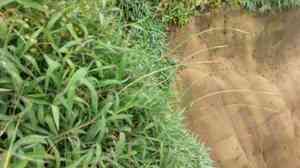
Batiki bluegrass (Ischaemum aristatum)
Also known as: Tabaquite grass
Batiki bluegrass is found in marshy and waterlogged sites, where it grows densely into a thick covering. The grass produces a copious amount of seeds for birds and other wildlife that also graze on the stalks.
In This Article
Attributes of Batiki bluegrass
Lifespan
Perennial
Plant Type
Grass
Plant Height
30 cm to 80 cm
Spread
Not applicable
Leaf Color
Green
Flower Size
4 cm to 7 cm
Flower Color
Yellow Green Purple Brown
Images of Batiki bluegrass
Quickly Identify Batiki bluegrass
1
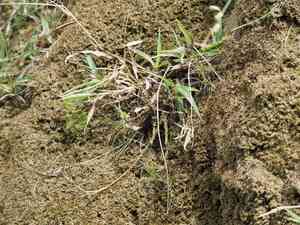
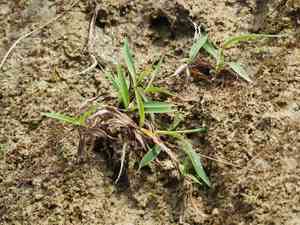
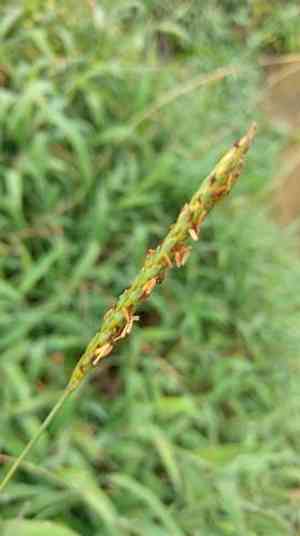
The plant can be identified by its narrow, linear leaves and erect stems that can grow up to 1 meter tall. The inflorescence is a terminal spike with pairs of spikelets.
Scientific Classification of Batiki bluegrass
Phylum
Vascular plants
Class
Monocotyledons
Order
Poales
Family
Grass
Genus
Murainagrasses
Species
Batiki bluegrass
Planting and Growing of Batiki bluegrass
Care Difficulty
Easy
Watering Schedule
Every 2 days
Sunlight Requirements
Full sun
Sunshine Duration
4-8 hours
Ideal Temperature
68-86℉
Soil Type
Potting Mix, Peat Mix
Soil pH
6.5-7.5
Fertilizer Type
Balanced
Pruning Season
Spring, Summer
Pruning Area
Branches, Leaves
Pruning Frequency
2 times a year
Repotting Season
Spring
Pot Type
Plastic, Ceramic
 How to Water Batiki bluegrass?
For Ischaemum aristatum, ensure about 300 ml of water per session. The goal is to slightly moisten the topsoil without making it waterlogged. Water should penetrate at least 1-2 inches deep into the soil, enough for the roots to access but not excess that leads to standing water.
What are the symptoms of an underwatered Batiki bluegrass?
›
What should I do if my Batiki bluegrass is not getting enough water?
›
What are the symptoms of an overwatered Batiki bluegrass?
›
How to save an overwatered Batiki bluegrass?
›
 What Are the Sunlight Requirements for Batiki bluegrass?
Partial sun setting offers Ischaemum aristatum enough light for optimal photosynthesis, enhancing its lush growth and health. Full sun exposure should be limited to prevent overheating.
What is the best time for sunlight?
›
How can I ensure my plant gets optimal sunlight?
›
What benefits arise from optimal lighting?
›
 What Is the Ideal Temperature Range for Batiki bluegrass?
The ideal temperature range for Ischaemum aristatum is between 68°F and 86°F. This range ensures optimal growth, providing the right conditions for photosynthesis and metabolic activities. Maintaining these temperatures helps in achieving vigorous plant development and healthy foliage.
 What Soil is Best for Batiki bluegrass?
Ischaemum aristatum thrives in nutrient-rich soils that support robust growth and vibrant foliage. Such soils ensure adequate nutrient supply, promoting sustainable plant health and resilience against pests and diseases. This plant favors well-drained soils that prevent waterlogging, crucial for root aeration. Wet feet can cause root rot, so ensuring drainage leads to healthier root systems and better nutrient uptake. While Ischaemum aristatum enjoys moisture, excessive wetness is detrimental. Maintaining a balance ensures the plant stays hydrated without suffocating roots, fostering a thriving ecosystem.
 How to Fertilize Batiki bluegrass?
Ischaemum aristatum benefits from a balanced fertilizer application. Use approximately 10 grams per square meter for solid fertilizers. For liquid fertilizers, a mixture diluted according to the manufacturer's instructions is recommended to provide essential nutrients without overloading the plants.
 How to Prune Batiki bluegrass?
To prune Ischaemum aristatum effectively, focus on removing any dead or damaged leaves regularly. Use sharp, clean scissors or pruning shears to make crisp cuts at the base of each dead stalk to promote healthy growth. Pruning every other month helps maintain a tidy appearance and encourages new shoots, enhancing the plant's overall vigor.
More About Pruning Techniques→
 How to Propagate Batiki bluegrass plant?
1
Fill a seed tray with a well-draining seed starting mix. Lightly water the soil mix to ensure it's evenly moist. Ensure the tray has drainage holes to prevent waterlogging which can inhibit seed growth.
2
Sprinkle the seeds over the prepared soil, aiming for even distribution. Lightly cover the seeds with a thin layer of the seed starting mix or fine sand to ensure they are lightly buried and protected from being displaced.
3
Place the tray in a warm, sunny spot. Keep the soil consistently moist using a watering can with a fine rose, but avoid overwatering. Monitor the tray for signs of germination, which should occur within 2-3 weeks.
 How to Repot Batiki bluegrass plant?
1
Ischaemum aristatum shows signs that it needs repotting when its roots begin to grow out of the drainage holes, or when growth appears stunted despite good care. The best time to repot is during its active growth phase in the spring or summer to minimize stress and promote rapid recovery.
2
Select a pot that is about 2 inches larger in diameter than the current one to give the roots ample room to expand. Preferably, use a container with multiple drainage holes to prevent waterlogging. The material of the pot should be breathable, like terracotta, to enhance soil aeration.
3
Opt for a well-drained sandy soil mix that mimics the plant's natural environment. Such a mix helps prevent root rot by ensuring excellent drainage and providing necessary aeration for robust root growth, contributing to the plant's overall health and vigor.



