How to Transplant Purdy's iris?
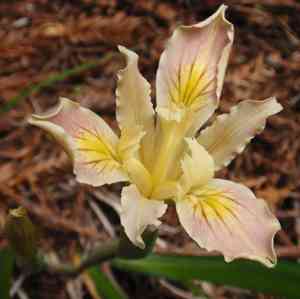
The optimal period for transplanting purdy's iris spans from early spring's thaw through the onset of summer's heat. This timeframe facilitates root development with reduced strain. The plant flourishes in soil that drains effectively, with partially shaded spots being most suitable. Gradually introduce purdy's iris to its new environment to avert transplant shock.
What Preparations are Needed Before Transplanting Purdy's Iris?
What is the Ideal Time for Transplanting Purdy's Iris?
The optimal period for relocating purdy's iris spans from early spring's onset through late spring's gentle warmth. This timing aligns with its natural growth cycle, fostering strong root development and adaptation prior to summer's heat. This window provides ample time for purdy's iris to grow, ensuring it establishes a robust foundation in its new spot. By selecting these revitalizing spring months, you give purdy's iris the best start, maximizing its potential to flourish in subsequent seasons.
How Much Space Should You Leave Between Purdy's Iris Plants?
When rehousing your purdy's iris, position them approximately 12-24 inches (30-60 cm) apart. This spacing allows each plant sufficient room to develop and thrive without competing for resources. It's like making sure all your plant companions have enough personal space!
What is the Best Soil Mix for Purdy's Iris Transplanting?
The perfect bed for purdy's iris requires well-draining soil abundant in organic matter. Before transplanting, incorporate some compost or a balanced, slow-release fertilizer to give purdy's iris a nutrient-rich beginning. Consider it preparing a comfortable, nourishing blanket for its roots!
Where Should You Relocate Your Purdy's Iris?
Choose a location where your purdy's iris will receive full sun to partial shade. A spot that gets morning sunlight would be ideal. Just like us, purdy's iris enjoys a sunny place to soak up rays, but appreciates some afternoon shade to prevent scorching!
What Equipments Should You Prepare Before Transplantation Purdy's Iris?
Gardening Gloves
To safeguard your hands while handling soil and plants.
Shovel or Spade
For excavating the root ball from its current position.
Garden Fork
To loosen the soil surrounding the plant's roots before relocation.
Watering Can or Hose
For hydrating the plant before and after its move.
Wheelbarrow
To move the plant from one site to another without causing harm.
Trowel
For precise adjustments during planting in the new spot.
Pruning Shears
To remove any dead or damaged parts of the plant.
Mulch
To help maintain soil moisture after the transplant.
How Do You Remove Purdy's Iris from the Soil?
How Do You Remove Purdy's Iris from the Soil?
From Ground: First, moisten the purdy's iris plant to soften the soil and minimize root damage. Use a shovel or spade to carefully dig a wide trench around the plant, striving to keep as much of the root ball intact as possible. Slide the spade under the roots to gently lift the plant from the ground.From Pot: Thoroughly water the purdy's iris, tap the pot's sides, and turn it sideways to loosen the soil. Gently pull the plant by its base, avoiding leaves or stems, to prevent injury.From Seedling Tray: Dampen the soil to facilitate removal. Use a trowel or your fingers to lift the plant from each cell of the tray, taking care not to disturb the roots.
Step-by-Step Guide for Transplanting Purdy's Iris
Preparation
Ensure all necessary tools are readily available. Water the purdy's iris thoroughly before beginning the transplant process to minimize plant stress.
Root Ball Handling
Use a shovel or garden fork to dig around the purdy's iris. Be gentle when lifting the root ball from its current spot to prevent damage.
Transportation
Use a wheelbarrow to move the purdy's iris to its new location. Make sure the root ball is secure and not exposed to wind or sun for too long.
Planting Hole
Dig a hole in the new site that is twice as wide and slightly deeper than the purdy's iris's root ball.
Placement
Position the purdy's iris in the center of the hole. The top of the root ball should be level with the ground surface.
Filling
Backfill the hole with the excavated soil, creating a mix of native soil and potentially some compost. Pat down gently but firmly.
Watering
Water the purdy's iris generously immediately after planting to settle the soil and eliminate air pockets.
Mulching
Apply a layer of mulch around the purdy's iris, keeping it away from the stem, to help retain moisture.
How Do You Care For Purdy's Iris After Transplanting?
Regular Watering
Continue to provide the purdy's iris with consistent watering, especially during dry periods, to aid root establishment.
Monitoring
Observe for signs of distress such as wilting or leaf discoloration and address them as needed.
Adjusting Supports
Stake the plant if necessary to shield it from strong winds until its roots are well-anchored.
Pruning
Trim away any dead or damaged foliage to encourage new growth and maintain the plant's vitality.
Troubleshooting Common Issues with Purdy's Iris Transplantation.
What's the best time to transplant purdy's iris for optimal growth?
The ideal period for transplanting purdy's iris is from early spring's embrace to late spring's gentle touch, ensuring a smooth start for its roots.
How far apart should I space purdy's iris when transplanting?
Allow each purdy's iris a generous spacing of 12-24 inches (30-61 cm) to ensure ample room for flourishing.
What soil conditions favor purdy's iris after transplanting?
Well-draining soil rich in organic matter will provide purdy's iris with a nourishing environment to thrive in after transplanting.
How deep should I plant purdy's iris's rhizomes?
Place purdy's iris's rhizomes comfortably about 4 inches (10 cm) deep, giving them a snug fit to prevent drying and promote stability.
How much sunlight does purdy's iris need post-transplant?
After relocation, purdy's iris flourishes with a golden glow of full sun to partial shade to perform its best.
How often should I water purdy's iris post-transplant?
Initially, purdy's iris requires regular hydration to ease its transition, gradually reducing as it confidently settles into its new home.
Can I use compost when planting purdy's iris?
Absolutely, enriching purdy's iris's new site with compost enhances the soil, offering a feast of nutrients for eager roots.
What should I do if purdy's iris shows signs of transplant shock?
Provide purdy's iris with consistent care, protect it from harsh conditions, and maintain patience, as it typically recovers with time and gentle attention.
Can I fertilize purdy's iris after transplanting?
Allow purdy's iris to settle before introducing fertilizers. Once established, a mild feeding can stimulate vigorous growth.
Should I prune purdy's iris during transplant?
A light trim to remove any tired or damaged foliage can invigorate purdy's iris and direct its energy towards root development.



