How to Transplant Bamboo iris?
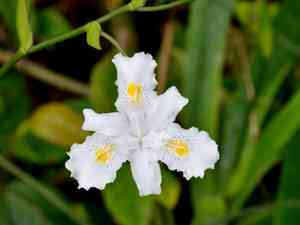
Bamboo iris is best relocated from early to late spring, or from late autumn to midwinter, periods when its root system exhibits reduced activity. Select a site offering partial shade and soil that drains effectively to guarantee a successful transfer.
What Preparations are Needed Before Transplanting Bamboo Iris?
What is the Ideal Time for Transplanting Bamboo Iris?
Bamboo iris, a perennial, should be moved in early to late spring or late autumn to mid-winter. These periods offer mild temperatures and sufficient moisture, minimizing transplant shock and encouraging root development. Relocating bamboo iris during these times ensures vigorous growth and adaptation. Timely planning and the correct season promote optimal establishment for healthy, flourishing plants.
How Much Space Should You Leave Between Bamboo Iris Plants?
When relocating bamboo iris, ensure a spacing of 12-18 inches (30-45 cm) between them. This distance provides ample room for growth and expansion without excessive competition for resources. Your garden will appear fuller, and bamboo iris will thrive more effectively.
What is the Best Soil Mix for Bamboo Iris Transplanting?
For bamboo iris, prepare well-draining soil enriched with organic compost. A blend of loamy soil and a balanced base fertilizer (such as a 10-10-10 N-P-K ratio) is most effective. This ensures bamboo iris receives the necessary nutrients to establish strong roots and vibrant growth.
Where Should You Relocate Your Bamboo Iris?
Bamboo iris prefers a location with partial shade to full sun. Select a spot where it can receive at least 4-6 hours of daily sunlight. This balance will help it grow lush and healthy. Be cautious of excessively sunny areas that might stress the plant.
What Equipments Should You Prepare Before Transplantation Bamboo Iris?
Gardening Gloves
To safeguard your hands while handling soil and plants.
Shovel or Spade
For excavating the plant and creating a planting cavity.
Garden Trowel
Useful for managing smaller roots and refining the planting hole.
Pruning Shears
To trim any damaged roots or foliage.
Watering Can or Hose
To hydrate the plant before and after relocation.
Wheelbarrow
To transport the plant if it is large and cumbersome.
How Do You Remove Bamboo Iris from the Soil?
How Do You Remove Bamboo Iris from the Soil?
From Ground: First, hydrate the bamboo iris plant to moisten the soil. Then, excavate a wide trench around the plant using a shovel or spade, ensuring the plant's root ball remains intact. Carefully work the spade beneath the root ball to lift the plant from its original spot.From Pot: Water the bamboo iris plant to dampen the soil. Gently tap around the pot's edges to loosen the soil, then tilt the pot and slide the plant out, supporting the root ball with your hand.From Seedling Tray: Water the seedlings prior to removal. Gently loosen the soil around the seedlings with a trowel or your fingers, taking care to keep the root ball intact as you lift each plant from the tray.
Step-by-Step Guide for Transplanting Bamboo Iris
Site Selection
Choose a location with adequate sunlight and room for your bamboo iris to reach its full size.
Preparing the Hole
Dig a hole that is at least twice the width and the same depth as the root ball of your bamboo iris.
Plant Placement
Position the bamboo iris into the hole, ensuring the top of the root ball is level with the ground surface.
Filling the Hole
Backfill the hole with the excavated soil, gently pressing around the root ball to eliminate air pockets.
Watering
Water the plant thoroughly to help settle the soil around the roots.
Mulching
Apply a 2-3 inch layer of mulch around the base of the plant, but not touching the stem, to retain moisture and suppress weeds.
How Do You Care For Bamboo Iris After Transplanting?
Watering
Keep the soil around the bamboo iris consistently moist, but not waterlogged, for the initial weeks after transplanting to aid in establishing strong roots.
Monitoring
Regularly inspect the plant for indications of transplant shock, such as wilting or yellowing leaves, and provide additional water if necessary.
Trimming
Remove any damaged or dead leaves to help the plant direct its energy towards developing new growth.
Troubleshooting Common Issues with Bamboo Iris Transplantation.
When is the best time to transplant bamboo iris?
Relocate bamboo iris from early spring to late spring or late fall to mid-winter.
How far apart should I space bamboo iris when transplanting?
Space bamboo iris plants 12-18 inches (30-46 cm) apart for healthy growth.
How deep should I plant bamboo iris?
Plant bamboo iris at the same depth they were growing originally to avoid root stress.
What soil type is best for transplanting bamboo iris?
Bamboo iris prefers well-draining, fertile soil with plenty of organic matter.
Should I water bamboo iris immediately after transplanting?
Yes, water bamboo iris thoroughly right after transplanting to help settle the soil and roots.
How can I reduce transplant shock for bamboo iris?
Water adequately, ensure proper spacing and plant depth, and avoid damaging roots during transplanting.
What should I do if bamboo iris leaves start yellowing post-transplant?
Check for overwatering or underwatering and ensure the soil drains well.
Is mulching beneficial for recently transplanted bamboo iris?
Yes, apply mulch to retain moisture, improve soil structure, and suppress weeds.
Can I divide bamboo iris while transplanting?
Yes, you can divide bamboo iris if they are overcrowded, ensuring each division has healthy roots.
What pests should I watch for after transplanting bamboo iris?
Watch for slugs and snails, which can damage young bamboo iris leaves. Use organic controls if needed.



