The Bamboo iris Plant Advantage: Maximizing Home and Office Appeal and Wellness
1
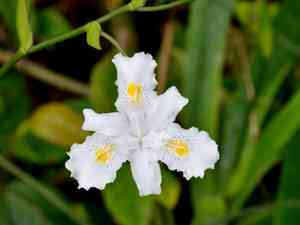
Bamboo iris is prized for its decorative appeal, featuring remarkably vivid blooms.
2
It requires minimal upkeep and flourishes in dappled sunlight, making it suitable for many garden settings.
3
Historically, Bamboo iris has been recognized for its many decorative and landscape-improving attributes.
Why Select Bamboo Iris for Your Garden?
Beauty and Decorative Appeal
Bamboo iris is celebrated for its visually pleasing blossoms, available in diverse hues. Its flowers can instantly elevate the aesthetic of any garden, making it a favored ornamental plant. The grace of its blooms, coupled with its distinct leaf structure, provides year-round charm, ensuring your garden remains appealing regardless of the season.
Minimal Care Requirements
A key characteristic of Bamboo iris is its undemanding nature. It needs little attention, making it an excellent option for gardeners of all experience levels. It thrives in partial shade and well-drained soil, requiring only moderate irrigation once established. This positions Bamboo iris as an ideal plant for those seeking to beautify their garden without extensive upkeep.
Ecological Advantages of Bamboo Iris
Soil Erosion Prevention
The robust root system of Bamboo iris plays a vital role in preventing soil degradation. When planted in areas susceptible to erosion, its roots help bind the soil, lessening the chance of it being washed away by rain or watering. This makes Bamboo iris a valuable plant for environmentally conscious gardeners aiming to preserve soil health.
Pollinator Habitat
Bamboo iris is not only attractive but also beneficial to local wildlife. It draws in pollinators like bees, butterflies, and hummingbirds, contributing to the vitality and diversity of your gardenâs ecosystem. By cultivating Bamboo iris, you offer a sanctuary for these crucial creatures, fostering biodiversity and the overall well-being of your garden environment.
Cultivating and Caring for Bamboo Iris
Optimal Growing Conditions
Bamboo iris prefers a site that mimics its natural environment, including partial to full shade and moist, well-draining soil. Amending the soil with compost can provide essential nutrients and improve drainage. Planting during spring or fall ensures your Bamboo iris establishes itself before summer or winter extremes.
Watering and Fertilization
Watering should be consistent but moderate. Bamboo iris does not require a large amount of water once mature; excessive watering can lead to root rot. Fertilize sparingly with a balanced, slow-release fertilizer during the active growth period to encourage strong development and vibrant flowers.
Best Uses of Bamboo Iris in Landscape Design
Creating Garden Edges
Bamboo iris can be effectively utilized to form attractive borders along walkways or around garden beds. Its vivid flowers and lush foliage add depth and color, creating a clear boundary that enhances the overall design of your landscape.
Complementary Plant Pairings
Bamboo iris combines well with various other plants, offering contrast and complementing the textures and colors of your garden. Consider planting it alongside ferns, hostas, or groundcovers that flourish in similar conditions. These combinations can create a visually appealing and harmonious garden space.
Common Issues and Solutions
Managing Pests
While Bamboo iris is quite resilient, it can occasionally attract pests such as aphids and snails. Regular inspection and natural remedies like neem oil can keep these pests under control. Employing barriers or organic pest management methods ensures your plants remain healthy without resorting to chemicals.
Controlling Diseases
Fungal diseases can impact Bamboo iris, particularly in overly damp conditions. Ensuring proper drainage and avoiding overhead watering can reduce the risk of fungal infections. If you observe signs of disease, promptly remove affected areas to prevent spread, and consider using a fungicide if necessary.



