How to Transplant Arizona ipomopsis?
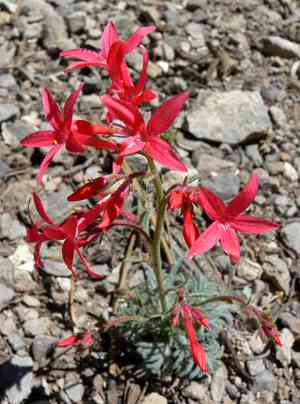
Arizona ipomopsis thrives when relocated in the initial to middle part of autumn, as temperatures are more moderate. Choose a site that receives ample sunlight and drains effectively. Confirm the soil is somewhat arid prior to the move. Minimize root disturbance to facilitate a successful transfer.
What Preparations are Needed Before Transplanting Arizona Ipomopsis?
What is the Ideal Time for Transplanting Arizona Ipomopsis?
Arizona ipomopsis, a perennial, flourishes when moved in 'early to mid-autumn.' This timing allows root establishment before winter, fostering strong spring growth. Transplanting during this cooler, less stressful period minimizes water stress, ensuring better survival and vigor, preparing the plant for a healthy growing season.
How Much Space Should You Leave Between Arizona Ipomopsis Plants?
When relocating arizona ipomopsis, ensure each plant is spaced 12-18 inches (30-45 cm) apart. This provides ample room for growth and prevents overcrowding.
What is the Best Soil Mix for Arizona Ipomopsis Transplanting?
For arizona ipomopsis, prepare well-draining soil enriched with compost or a general garden soil. Incorporating a balanced base fertilizer will supply essential nutrients for healthy development.
Where Should You Relocate Your Arizona Ipomopsis?
Select a sunny spot for arizona ipomopsis, as they thrive best in full sun. Aim for an area receiving 6-8 hours of daily sunlight to ensure optimal growth.
What Equipments Should You Prepare Before Transplantation Arizona Ipomopsis?
Gardening Gloves
To safeguard your hands while handling soil and the arizona ipomopsis plant.
Shovel or Spade
For excavating the plant from the ground and preparing the new planting site.
Hand Trowel
Useful for more precise digging tasks and working around the root mass.
Watering Can or Hose
For hydrating the arizona ipomopsis plant before and after relocation.
Pruners
To trim any damaged or excess roots or foliage.
Wheelbarrow or Bucket
For moving the arizona ipomopsis plant from its original spot to the new location.
Mulch
To cover the soil around the transplanted arizona ipomopsis and help retain moisture.
How Do You Remove Arizona Ipomopsis from the Soil?
How Do You Remove Arizona Ipomopsis from the Soil?
From Ground: First, moisten the arizona ipomopsis plant's soil. Then, dig a wide trench around the plant with a shovel or spade, keeping the root ball intact. Carefully work the spade beneath the root ball to lift the plant from its original position.From Pot: Gently water the arizona ipomopsis plant to facilitate removal. Carefully tilt the pot sideways and gently ease the plant out by tapping the pot's bottom and pulling the plant free. Ensure the root ball remains intact.From Seedling Tray: Lightly water the arizona ipomopsis plant before removal. Use a hand trowel or your fingers to gently lift the seedling, ensuring you retrieve as much of the root system as possible. Be gentle to avoid root damage.
Step-by-Step Guide for Transplanting Arizona Ipomopsis
Site Selection
Choose a location with adequate sunlight and space for your arizona ipomopsis plant to reach its mature size.
Prepare Planting Hole
Dig a hole twice the width of the arizona ipomopsis plant's root ball but only as deep as the root ball's height. This provides ample room for root expansion while ensuring correct planting depth.
Amend Soil
Incorporate organic matter into the excavated soil to ensure the new planting site's soil is nutrient-rich and well-draining.
Transplanting
Place the arizona ipomopsis plant in the prepared hole, ensuring the root ball's top is level with the ground surface. Backfill the hole with soil, pressing gently to remove air pockets.
Watering
Thoroughly water the arizona ipomopsis plant immediately after transplanting to help settle the soil and eliminate any remaining air pockets around the roots.
Mulching
Spread a layer of mulch around the base of the arizona ipomopsis plant, avoiding direct contact with the stem. This aids in moisture retention and weed control.
How Do You Care For Arizona Ipomopsis After Transplanting?
Watering
Keep the soil around the arizona ipomopsis consistently moist, but not waterlogged, for the initial weeks post-transplant to encourage strong root development.
Monitoring
Regularly inspect the arizona ipomopsis for signs of transplant shock, such as wilting or yellowing leaves, and ensure adequate hydration.
Pruning
Remove any damaged or dead plant parts to promote healthy growth and reduce stress on the arizona ipomopsis.
Additional Support
If the arizona ipomopsis plant is tall or susceptible to wind damage, consider staking it for extra support until its roots are firmly established.
Troubleshooting Common Issues with Arizona Ipomopsis Transplantation.
When is the best time to transplant arizona ipomopsis?
Relocating arizona ipomopsis is ideal in early to mid-fall. This allows roots to establish before winter.
How much space should I leave between arizona ipomopsis plants?
Provide 12-18 inches (30-45 cm) between arizona ipomopsis plants for optimal growth and air circulation.
What soil is best for arizona ipomopsis transplantation?
Use well-draining soil, ideally sandy or loamy, with a slightly acidic to neutral pH.
Should I water arizona ipomopsis right after transplanting?
Yes, water thoroughly to settle the soil and minimize transplant shock. Keep soil moist initially.
How deep should I plant arizona ipomopsis transplants?
Plant arizona ipomopsis at the same depth it was previously growing to prevent root distress.
Can I transplant arizona ipomopsis during summer?
Transplanting in summer is stressful for arizona ipomopsis. Early to mid-fall is much more favorable.
How do I prepare arizona ipomopsis for transplanting?
Water arizona ipomopsis well the day before and gently loosen the roots without causing damage.
What if my transplanted arizona ipomopsis wilts?
Wilting can occur due to transplant shock. Ensure proper watering and avoid extreme heat conditions.
How can I prevent arizona ipomopsis from transplant shock?
Transplant during cool, cloudy days. Use mulch to retain moisture and reduce temperature fluctuations.
Do I need to prune arizona ipomopsis after transplanting?
Pruning isn't necessary immediately but removing damaged leaves can help the plant direct energy to root establishment.



