How to Propagate Arizona ipomopsis?
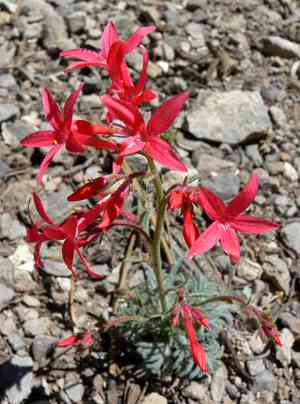
Arizona ipomopsis flourishes in porous, sandy substrates and abundant sunlight, needing little irrigation after it has rooted. The most effective propagation technique entails planting seeds directly into prepared ground, guaranteeing proper soil contact and adequate moisture. Promote sprouting by gently dusting seeds with a thin layer of sand or earth. This arid-adapted flora is best cared for by preventing excessive watering and performing periodic weeding to lessen rivalry.
What Is the Best Time To Propagate Arizona Ipomopsis?
Propagation Type
Seeding
Propagation Season
Spring
What Tools Are Used in Arizona Ipomopsis Propagation?
Seed Trays or Germination Trays
These containers are vital for planting arizona ipomopsis seeds. They facilitate organized cultivation and easy handling of young sprouts. Seed trays also aid in regulating the environment around the seeds, providing adequate drainage and air circulation essential for germination.
Seed Starting Mix
A sterile, well-draining seed starting medium is essential. This blend guarantees that seeds are sown in a pathogen-free substrate and offers the correct balance of moisture retention and aeration required for seed germination.
Heating Mat
Employing a heating mat can help sustain an optimal soil temperature, which is crucial for arizona ipomopsis germination. Consistent warmth accelerates the germination process and enhances seedling development.
Humidity Dome
A humidity dome placed over seed trays assists in maintaining high humidity levels, which benefits arizona ipomopsis germination. It creates a miniature greenhouse effect, keeping the environment moist and warm, thereby boosting germination rates.
Mister or Spray Bottle
A mister or spray bottle is necessary for gently watering seeds without dislodging them. Maintaining adequate moisture levels without waterlogging is crucial for the healthy growth of arizona ipomopsis.
Plant Labels
Labeling seed trays is important for tracking different plantings. It ensures you accurately identify and provide appropriate care for each batch of arizona ipomopsis seedlings.
Grow Lights
Supplemental grow lights ensure seedlings receive sufficient illumination, especially if natural light is inadequate. Proper light exposure is critical for photosynthesis and healthy seedling development for arizona ipomopsis.
Scalpel or Small Knife
A sterile scalpel or small knife can be useful for thinning overcrowded seedlings or for taking cuttings if applicable. Precision tools prevent damage to delicate roots or stems of arizona ipomopsis.
Soil Thermometer
A soil thermometer helps monitor the temperature of the seed starting mix, ensuring it remains within the optimal range necessary for arizona ipomopsis germination.
How to Propagate Arizona Ipomopsis?
Propagation Type
Simple
How to Care for Your Newly Propagated Arizona Ipomopsis?
How to Care for Your Newly Propagated Arizona Ipomopsis?
Once established, arizona ipomopsis requires minimal attention. Water only during extended dry spells, as it is highly drought-tolerant. Ensure they receive full sun and avoid overly rich soils. Prune spent blooms to encourage more flowering and maintain a compact form. Protect young plants from severe frost initially. Once mature, arizona ipomopsis is resilient and will thrive in its natural habitat with little intervention.
Common Mistakes to Avoid When Propagating Arizona Ipomopsis
Overwatering
Excessive water can lead to root rot, weakening the plant and reducing propagation success.
Improper Soil
Using dense or poorly draining soil can suffocate roots, hindering proper growth.
Insufficient Light
Lack of adequate sunlight can impede photosynthesis, affecting the plant's overall health and vigor.
Incorrect Planting Depth
Planting seeds or cuttings too deep or too shallow can result in poor germination and establishment.
Tips For Propagating Arizona Ipomopsis
Use Well-Draining Soil
Ensure the soil mixture allows for good air circulation and prevents waterlogging, helping to maintain healthy roots.
Moderate Watering
Water the plant moderately to maintain consistent moisture levels without making the soil soggy.
Bright, Indirect Light
Place the plant where it can receive ample sunlight, ideally indirect, to promote strong growth without scorching the leaves.
Correct Planting Depth
Plant seeds at a depth of approximately 1/8 inch to ensure proper germination and root development.



