How to Transplant Pinkthroat morning glory?
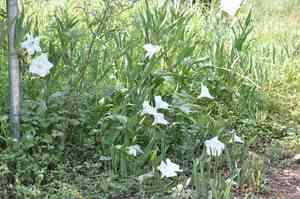
Pinkthroat morning glory flourishes most effectively when relocated from early spring through the close of the season, benefiting from moderate temperatures and steady hydration. For optimal establishment, select a bright, adequately drained site.
Essential Preparations Before Relocating Pinkthroat Morning Glory?
Optimal Timing for Relocating Pinkthroat Morning Glory?
Pinkthroat morning glory flourishes when moved from the beginning of spring to its end. This period offers ideal soil warmth and extended daylight, ensuring strong root development. Relocating during this time maximizes growth potential, leading to a healthier, more robust perennial. Early to late spring allows pinkthroat morning glory to adapt before summer's or winter's harsher conditions.
Recommended Spacing Between Pinkthroat Morning Glory Plants?
When relocating pinkthroat morning glory, aim for a 24-36 inch (60-90 cm) distance between plants. This provides ample room for growth and sunlight access without overcrowding. Proper spacing promotes vigorous development and abundant blooms!
Best Soil Blend for Pinkthroat Morning Glory Relocation?
Prepare well-draining soil rich in organic matter for pinkthroat morning glory. Incorporating compost or aged manure can boost soil fertility. A light, sandy loam is perfect, but ensure the soil stays damp yet not waterlogged. Mix in a balanced fertilizer, such as a 10-10-10 NPK blend.
Ideal Location for Your Pinkthroat Morning Glory?
Select a spot that receives full sun, meaning approximately 6-8 hours of direct sunlight daily, for relocating pinkthroat morning glory. This guarantees vigorous growth and plentiful flowers. Avoid planting in shaded areas to prevent weak, leggy plants.
Equipment Needed Before Relocating Pinkthroat Morning Glory?
Gardening Gloves
To safeguard your hands while handling soil and plants.
Trowel
For digging small holes and assisting with root ball removal.
Shovel
Useful for excavating larger holes and trenches.
Watering Can
For hydrating the plant during and after relocation.
Garden Hoe
To prepare the surrounding earth by breaking up and smoothing soil clumps.
Pruning Shears
To trim any damaged or overgrown roots.
Compost or Organic Mulch
To improve soil quality and supply nutrients.
Stakes and Soft Ties
To offer support to the plant if necessary.
How to Extract Pinkthroat Morning Glory from the Soil?
How to Extract Pinkthroat Morning Glory from the Soil?
From Ground: First, moisten the soil around the pinkthroat morning glory plant. Then, dig a wide trench around the plant using a shovel or spade, ensuring the plant's root ball remains intact. Carefully work the spade beneath the root ball to lift the plant from its original spot.From Pot: Gently water the soil to facilitate plant removal. Carefully tilt the pot to one side and lightly tap its base. Support the plant's stem and slowly pull it from the pot, ensuring the root ball is undamaged.From Seedling Tray: Water the seedlings for easier removal. Gently press the bottom of the tray compartments to push the seedling upward. Carefully lift the seedling by the base of its stem, ensuring the roots are not harmed.
Step-by-Step Guide for Relocating Pinkthroat Morning Glory
Prepare The Planting Hole
Dig a hole in the new spot that is twice as wide and equally deep as the pinkthroat morning glory's root ball.
Enhance The Soil
Mix in compost or organic mulch to enrich the soil in the planting hole and improve drainage.
Position The Plant
Center the pinkthroat morning glory in the hole, ensuring the top of the root ball is level with or slightly above the ground. Gradually fill the hole with soil, gently pressing it down to remove air pockets.
Water
Immediately water the plant thoroughly to help settle the soil and establish the roots in their new environment.
Provide Support
If the plant requires support, insert stakes around it and use soft ties to gently secure it.
Post-Relocation Care for Pinkthroat Morning Glory?
Watering
Keep the soil around the pinkthroat morning glory consistently moist, but not waterlogged, for the initial weeks after relocation to help establish strong roots.
Mulching
Apply a layer of mulch around the plant's base to help retain moisture and suppress weeds.
Monitoring
Regularly inspect the plant for any signs of stress, such as wilting or yellowing leaves, and adjust watering as needed.
Protection
Shield the plant from pests and extreme weather conditions as it adapts to its new environment.
Addressing Common Issues with Pinkthroat Morning Glory Relocation.
When is the best time to relocate pinkthroat morning glory?
Early spring to late spring is ideal for relocating pinkthroat morning glory, allowing them time to establish.
How far apart should I space pinkthroat morning glory?
Space pinkthroat morning glory plants 24-36 inches (60-90 cm) apart for optimal growth and air circulation.
How to prepare soil for relocating pinkthroat morning glory?
Use well-draining soil. Enrich it with compost to provide nutrients.
What type of watering schedule does pinkthroat morning glory require after relocation?
Water pinkthroat morning glory thoroughly after relocating, and keep the soil consistently moist but not saturated.
How deep should I plant pinkthroat morning glory?
Plant pinkthroat morning glory at the same depth it was in the pot to avoid stress.
What is the ideal temperature for relocating pinkthroat morning glory?
Relocate pinkthroat morning glory when temperatures are between 60-70°F (15-21°C) to prevent shock.
How do I handle the roots when relocating pinkthroat morning glory?
Handle roots gently, untangling them slightly and removing any that are damaged or rotting.
Should I use fertilizer when relocating pinkthroat morning glory?
Yes, lightly adding a balanced fertilizer can help pinkthroat morning glory establish better in its new location.
How to protect pinkthroat morning glory plants from relocation shock?
Water well, provide initial shade, and avoid extreme temperature changes to reduce shock.
What should I do if pinkthroat morning glory shows signs of wilting after relocation?
Ensure proper watering, check for pests, and reduce direct sunlight temporarily to revive pinkthroat morning glory.



