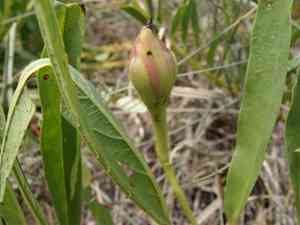
Pinkthroat morning glory(Ipomoea longifolia)

Pinkthroat morning glory (Ipomoea longifolia)

Also known as: Sweet Potato Morning Glory, Long-Leaf Morning Glory

The Pinkthroat morning glory (Ipomoea cordatotriloba) is renowned for its eye-catching funnel-shaped flowers, which feature purplish-blue petals and a distinctive pink throat. The plant is easily recognized by its heart-shaped leaves and vigorous twining stems that enable it to climb and spread.

This morning glory flourishes in full sun and prefers well-drained soil, making it ideal for open, sunny locations. It is resilient and can withstand various environmental conditions, often found in fields, roadsides, and disturbed areas. Regular watering supports its growth, but it is drought-tolerant once established. Be mindful of its invasive potential and manage its spread accordingly.

Attributes of Pinkthroat morning glory

Lifespan
Perennial
Plant Type
Vine, Herb
Plant Height
0.5-1.5 meters
Spread
Variable, often sprawling or climbing
Leaf Color
Green
Flower Size
5-7 centimeters
Flower Color
Purple, Pink

ForwardPlant - Identify plants with a snap

Identify and diagnose plants, get toxicity alerts, and explore safety guides for all types of fungi.

Try for Free

Images of Pinkthroat morning glory

Pinkthroat morning glory(Ipomoea longifolia)

Quickly Identify Pinkthroat morning glory

1
To identify Ipomoea longifolia, look for its long, narrow leaves and tubular flowers that come in shades of purple or pink. The flowers usually open in the morning. The vines are often vigorous and can grow quickly across the ground or on structures.

Scientific Classification of Pinkthroat morning glory

Phylum
Vascular plants
Class
Dicotyledons
Order
Solanales
Family
Morning-glory
Genus
Morning glories
Species
Pinkthroat morning glory

Planting and Growing of Pinkthroat morning glory

Care Difficulty
Moderate
Watering Schedule
Every 2 days
Sunlight Requirements
Full sun
Sunshine Duration
4-8 hours
Ideal Temperature
65-75℉
Soil Type
Potting Mix, Peat Mix
Soil pH
6.5-7.5
Fertilizer Type
Balanced
Pruning Season
Spring, Summer
Pruning Area
Branches, Leaves
Pruning Frequency
2 times a year
Repotting Season
Spring
Pot Type
Terracotta, Plastic

water icon How to Water Pinkthroat morning glory?

Ipomoea longifolia requires a balanced approach to watering. Watering should be thorough, ensuring soil is moist but not soggy, to encourage healthy root growth. The soil should absorb most of the water rapidly, indicating proper soil structure and drainage.
What are the symptoms of an underwatered Pinkthroat morning glory?
What should I do if my Pinkthroat morning glory is not getting enough water?
What are the symptoms of an overwatered Pinkthroat morning glory?
How to save an overwatered Pinkthroat morning glory?

sunlight icon What Are the Sunlight Requirements for Pinkthroat morning glory?

Sunlight Requirements: Full sun, Partial sun
Duration of light: 5 to 8 hours
Ipomoea longifolia benefits from full to partial sun. Under optimal sunlight, it enhances bloom quality and foliage density, supporting healthy growth cycles.
How much sunlight does Ipomoea longifolia need?
What if full sun is not possible?
What are the benefits of providing ideal lighting?

temperature icon What Is the Ideal Temperature Range for Pinkthroat morning glory?

Ideal Temperature: 65 ~ 75℉
What is the ideal temperature range for Ipomoea longifolia? The ideal temperature range for Ipomoea longifolia is between 65°F and 75°F. At this temperature range, the plant thrives, showing optimal growth and development. Consistent temperatures within this range promote healthy leaf and flower production, ensuring the vigor and aesthetic appeal of the plant.

soil icon What Soil is Best for Pinkthroat morning glory?

Soil type: Sandy soil, Loam, Sandy loam
Soil PH: 6.5 ~ 7.5
Ipomoea longifolia thrives in well-draining soil conditions. This type of soil prevents waterlogging, which can lead to root rot. It ensures that the roots receive adequate oxygen, promoting healthy growth and vibrant blooms. Although Ipomoea longifolia can tolerate less nutrient-rich soils, providing fertile soil ensures robust growth. Ample nutrients support the vine's lush foliage and profuse flowering, enhancing overall plant vigor. While well-drained, the soil should maintain consistent moisture. This balance helps the plant to establish well and supports its fast growth habits, ensuring that it doesn't dry out excessively between watering.

fertilize icon How to Fertilize Pinkthroat morning glory?

Fertilizer type: Balanced
Ipomoea longifolia thrives with the right amount of fertilizer, typically benefiting from a balanced 10-10-10 NPK fertilizer. It’s recommended to apply liquid fertilizer at a rate of half teaspoon per gallon of water to avoid over-nourishment which can lead to excessive foliage at the expense of blooms.

prune icon How to Prune Pinkthroat morning glory?

Pruning Time: Spring, Summer, Autumn, Winter
Start by identifying any dead, damaged, or diseased vines and remove them to maintain plant health. Use sharp, clean shears to make clean cuts at a 45-degree angle, which helps prevent water accumulation and reduces the risk of disease. Next, trim back overgrown vines to maintain the desired shape and size of the plant. Focus on cutting just above a leaf node to encourage bushier growth. Mature Ipomoea longifolia can be quite vigorous. Ensure to cut back older stems selectively to rejuvenate the plant when it's crowded. Aim to thin out the plant by removing some of the oldest stems completely. This will open up the plant, improving light penetration and air circulation, which helps in reducing the risk of fungal infections. More About Pruning Techniques

propagate icon How to Propagate Pinkthroat morning glory plant?

Propagate Time: Spring,Late spring
1
Gather mature seeds from healthy Ipomoea longifolia plants during late spring, ensuring they are clean and dry before storing them for sowing.
2
Choose healthy stems from the parent plant for cuttings, cutting them to roughly 6 inches long and removing the lower leaves to prevent rot and promote root formation.
3
Sow seeds in seed trays with a well-draining soil mix, covering them lightly. Keep the soil moist, and provide indirect sunlight to help germination.
More About Propagating Techniques

repot icon How to Repot Pinkthroat morning glory plant?

Repotting frequency: Every 2-3 years
1
Ipomoea longifolia requires repotting when roots are visibly outgrowing the drainage holes, the soil is either compacted or nutrient-deficient, and the plant shows stunted growth. Monitor your plant closely during the growing season to ensure it receives enough space for optimal development.
2
Select a pot that's one size larger than the current one and has ample drainage holes. A pot too big can retain excess moisture, leading to root rot. Materials like terracotta can help with moisture evaporation, providing a balanced growing environment for your Ipomoea longifolia.
3
Opt for a well-draining cactus mix combined with perlite to ensure adequate aeration and drainage. Excessive moisture can harm Ipomoea longifolia by causing root rot, and the chosen soil mix provides the necessary balance.

ForwardPlant - Identify plants with a snap

Find the best spots for them to optimize their health, simply using your phone.

Try for Free

Toxicity

ingestion

Identify toxic plants for your safety

Learn which plants are harmful to you and your pets, and make informed choices for a safer home!

Try for Free
WARNING
The judgment on toxicity and danger is for reference only. We DO NOT GUARANTEE any accuracy of such judgment. Therefore, you SHALL NOT rely on such judgment. It is IMPORTANT TO SEEK PROFESSIONAL ADVICE in advance when necessary.