How to Prune Pinkthroat morning glory?
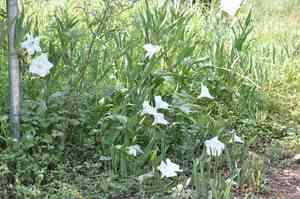
Ipomoea setosa is celebrated for its vivid blossoms and swift development. Perform pruning in early spring or late winter while the plant is inactive to stimulate robust new development and eliminate any impaired or lifeless stalks. Periodically shorten sprawling branches to preserve form and enhance air movement. Trimming additionally aids in averting ailments and fosters abundant flowering. To achieve optimal outcomes, concentrate on reducing dense sections and judiciously cutting back to primary stems.
What Are the Benefits of Pruning Pinkthroat Morning Glory?
What Are the Benefits of Pruning Pinkthroat Morning Glory?
Trimming pinkthroat morning glory encourages robust development and maintains its form. Pruning helps manage its size, fosters healthy foliage, and prevents illness. It also boosts flowering, ensuring superior blooms. Regular trimming keeps the plant manageable and visually appealing.
What Is the Best Time for Pruning Pinkthroat Morning Glory?
What Is the Best Time for Pruning Pinkthroat Morning Glory?
Trimming pinkthroat morning glory in late winter or early spring aligns with its dormant phase, reducing plant stress and promoting vigorous new growth. During these periods, pinkthroat morning glory is less prone to sap bleeding, lowering the risk of disease and pest infestations. Furthermore, pruning before the active growth season allows for better control of the plant's shape and size, ensuring energy is directed towards producing vibrant flowers during its blooming cycle.
What Tools Do I Need to Prune Pinkthroat Morning Glory?
Hand pruners
Ideal for selectively trimming small stems and vines of pinkthroat morning glory.
Long-handled loppers
Excellent for cutting thicker vines and branches that might be too tough for hand pruners.
Pruning saw
Useful for addressing larger, more established stems and branches.
Bypass pruners
These are superb for making clean cuts on living parts of pinkthroat morning glory, fostering healthier growth.
Gloves
Protect hands from potential irritants when handling pinkthroat morning glory.
How to Prune Pinkthroat Morning Glory
Assessment
Examine pinkthroat morning glory thoroughly to identify any diseased or withered leaves.
Diseased removal
Use clean, sharp pruning shears to remove diseased leaves. Make precise cuts near the base, avoiding damage to healthy sections.
Withered removal
Trim withered leaves by cutting them off at the stem or base. Ensure no remnants are left to prevent decay.
Disposal
Collect and discard all pruned leaves to prevent the spread of disease or pests. Do not compost these leaves.
Cleanup
Clean your pruning tools with a disinfectant solution after use to prevent contamination for future trimming sessions.
Common Pruning Mistakes with Pinkthroat Morning Glory
Over-pruning
Removing too many branches or leaves can stress pinkthroat morning glory and impede its growth and flowering potential.
Improper tool use
Using dull or dirty tools can harm the plant, introduce disease, or create jagged cuts that heal poorly.
Incorrect cutting angle
Making cuts that are too sharp or too blunt can lead to water pooling on the cut surface or improper healing.
Neglecting deadheading
Failing to remove spent flowers can result in fewer blooms and might encourage disease.
Pruning at wrong growth stages
Cutting back new growth instead of targeting older, woody growth can reduce pinkthroat morning glory's overall vigor.
Common Pruning Tips for Pinkthroat Morning Glory
Sanitize tools
Always clean and sharpen your pruning tools before use to prevent the spread of disease.
Make clean cuts
Ensure cuts are clean and at a slight angle, which aids in water runoff and speeds up the healing process.
Focus on dead or damaged branches
Prioritize removing dead, damaged, or diseased branches to promote overall plant health.
Deadhead regularly
Frequently remove spent flowers to encourage more blooms and prevent any potential disease spread.
Thin out crowded areas
Remove overcrowded branches to improve light penetration and air circulation, which aids in healthier growth and flowering.
Prune with moderation
Avoid cutting back more than one-third of the plant at any one time to reduce stress and ensure continuous growth and blooming.



