How to Transplant Ice-cream-bean?
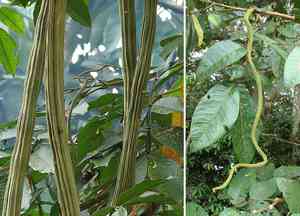
For ice-cream-bean, the ideal period for relocation is from the end of spring to the beginning of summer, capitalizing on prime growth circumstances. Select a bright area featuring soil that drains effectively. Careful management of the root system can improve its integration into the fresh environment.
What Preparations are Needed Before Transplanting Ice-cream-bean?
What is the Ideal Time for Transplanting Ice-cream-bean?
The optimal period for relocating ice-cream-bean is during the transition from late spring to early summer. This timing leverages mild weather, ensuring root establishment before midsummer's heat stress. Furthermore, transplanting ice-cream-bean in this season allows it to benefit from longer days and the subsequent growth period. This promotes robust and healthy development, setting the stage for optimal growth due to ample sun and warmth, which are crucial for ice-cream-bean's vitality.
How Much Space Should You Leave Between Ice-cream-bean Plants?
When preparing to transplant ice-cream-bean, ensure each plant is spaced approximately 8-10 feet (2.4-3 meters) apart. This will provide your plants with sufficient room to expand and thrive!
What is the Best Soil Mix for Ice-cream-bean Transplanting?
Ice-cream-bean requires soil that drains well and is fertile. Before transplanting, enrich your soil with organic compost or a slow-release base fertilizer. This will supply the necessary nutrients for ice-cream-bean to flourish. Remember, good preparation is vital!
Where Should You Relocate Your Ice-cream-bean?
Consider a spot that offers full sunlight to partial shade for ice-cream-bean. These plants enjoy the sun but can tolerate some shade. Ensuring ample daily light will help ice-cream-bean grow strong and healthy!
What Equipments Should You Prepare Before Transplantation Ice-cream-bean?
Gardening gloves
They protect your hands when working with soil and handling the plant.
Shovel or Spade
These are essential for digging the new hole and removing the plant from its original spot.
Gardening Pruners
These are needed for removing any dead or damaged parts of the ice-cream-bean plant before moving it.
Bucket or Wheelbarrow
To move the ice-cream-bean plant from one place to another.
Watering Can or Hose
To hydrate the plant before and after its relocation.
Mulch
This helps maintain soil moisture after the plant has been moved.
Stakes
If the ice-cream-bean plant is tall, you might need stakes to offer support and prevent it from falling over.
How Do You Remove Ice-cream-bean from the Soil?
How Do You Remove Ice-cream-bean from the Soil?
From Ground: First, water the ice-cream-bean plant to moisten the soil around its roots. Second, using a shovel or spade, dig a wide circle around the plant, being careful not to harm the roots. Once the plant is loose, gently lift it from its original spot by prying under the root ball with your spade. The goal is to keep as much original soil attached to the roots as possible.From Pot: Begin by watering the ice-cream-bean plant. Then, lay the pot on its side and carefully pull out the plant by holding its base. If it's stuck, tapping the sides and bottom of the pot usually helps to loosen it.From Seedling Tray: Water the ice-cream-bean tray first. Then, carefully lift each ice-cream-bean seedling by pinching the leaves between your fingers. Avoid pulling by the stem, as it can easily be damaged. Once lifted, immediately place it into a prepared hole in the ground. If a seedling resists being lifted, use a tool like a teaspoon to lift it with some soil around its roots.
Step-by-Step Guide for Transplanting Ice-cream-bean
Preparation
Start watering the ice-cream-bean plant a few days before your planned transplant day. Water thoroughly but avoid saturating the soil. The day before transplanting, water the plant again. This ensures the plant is well-hydrated, which reduces transplant shock.
Transplant Hole
Dig a hole in your chosen location. The hole should be twice as wide and just as deep as the ice-cream-bean plant's root ball.
Planting
Carefully place the ice-cream-bean plant into the hole, ensuring it sits at the same depth as it was in its original spot. Fill the hole with soil, making sure the roots are well covered, and gently firm the soil around the plant.
Watering
After planting, avoid compacting the soil too much. Instead, water it thoroughly. This helps the soil settle around the roots and eliminates any air pockets.
Mulching
Apply a layer of mulch around the plant, but keep it away from the stem. Mulching helps retain soil moisture and reduces weed competition.
Staking
If necessary, stake the plant to provide support.
How Do You Care For Ice-cream-bean After Transplanting?
Watering
Keep the soil consistently moist but not waterlogged for the initial month after transplanting the ice-cream-bean.
Pruning
Remove any damaged or diseased branches or leaves after transplanting. Ongoing pruning aids air circulation and plant shape. However, never remove more than 1/3 of the plant's foliage at once.
Support
If the ice-cream-bean is staked, regularly check the support ties for adjustment. The goal is to allow the plant to move naturally with the wind while preventing severe bending.
Observation
Closely monitor the plant for the first few weeks. Look out for any signs of plant distress and address them promptly.
Troubleshooting Common Issues with Ice-cream-bean Transplantation.
What is the best time for transplanting ice-cream-bean?
The most suitable time to transplant ice-cream-bean would be during the later growth seasons (S3-S4). These seasons typically offer ideal temperatures for the plant's successful relocation.
How much space does ice-cream-bean need for healthy growth?
Ice-cream-bean requires ample space to ensure proper growth, ideally about 8-10 feet (2.4-3 meters). Providing sufficient room between each ice-cream-bean can also help reduce competition for nutrients and light.
What should I do if ice-cream-bean is not growing after being transplanted?
Ensure the correct season, healthy soil, proper root preparation, and adequate watering. Lack of growth post-transplant could be due to stress, insufficient water, or inadequate nutrients.
Why are the leaves of my transplanted ice-cream-bean turning yellow?
Yellowing leaves might indicate overwatering or poor drainage. Ensure your ice-cream-bean is not sitting in waterlogged soil and that the drainage in your pot or garden bed is effective.
What should be the depth of the hole for transplanting ice-cream-bean?
The hole should be twice the width of the root ball and deep enough so that the plant sits at the same level in the ground as it was in the pot. This ensures good stability.
How much should I water ice-cream-bean after transplanting it?
Immediately after transplanting, thoroughly water ice-cream-bean, allowing the water to reach the deeper root sections. Afterward, determine the watering routine based on soil dryness and the plant's requirements.
Is it necessary to add fertilizer when transplanting ice-cream-bean?
Yes, adding a slow-release fertilizer at the time of planting can provide continuous nutrients for ice-cream-bean. However, avoid high-nitrogen fertilizer, as it may harm the roots.
Should I prune ice-cream-bean immediately after transplanting?
Pruning immediately is not advised as it can cause further stress. Allow ice-cream-bean to establish first, then consider gentle pruning to shape or remove damaged branches.
How do I deal with root-bound ice-cream-bean before transplanting?
Before transplanting a root-bound ice-cream-bean, gently separate the roots or make a few slices in the root ball. This encourages the roots to grow outwards into the new soil.
What type of soil is best for transplanting ice-cream-bean?
Ice-cream-bean prefers well-drained, fertile soil. A mix of garden soil, peat moss, and perlite or sand could create a healthy environment for the root system.



