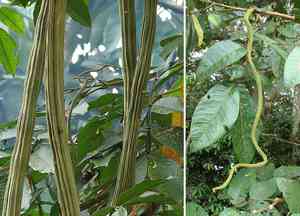
Ice-cream-bean (Inga edulis)
Also known as: Monkey tail
The Ice-cream-bean (Inga edulis) is commonly found in humid tropical and subtropical climates, particularly in Central and South American rainforests. It thrives in nutrient-rich, well-drained soils and often grows near rivers and streams. This tree is also adaptable to poor soil conditions, making it beneficial for reforestation and soil improvement projects.
The unusual name "Ice-cream-bean" derives from the sweet, vanilla-like flavor of the edible pulp that encases its seeds. While the seeds can be slightly toxic when raw, they are typically cooked to eliminate any harmful effects.
In This Article
Attributes of Ice-cream-bean
Lifespan
Perennial
Plant Type
Tree
Plant Height
30 m
Spread
18 m
Leaf Color
Green
Flower Size
2.5 cm to 5 cm
Flower Color
White
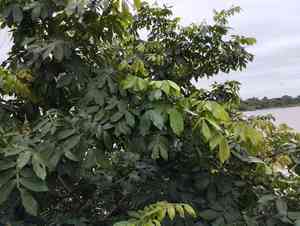
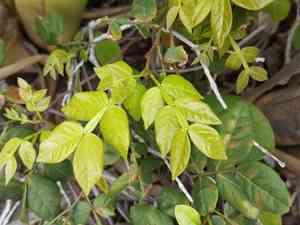
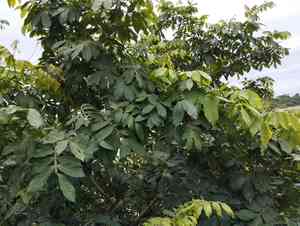
Images of Ice-cream-bean
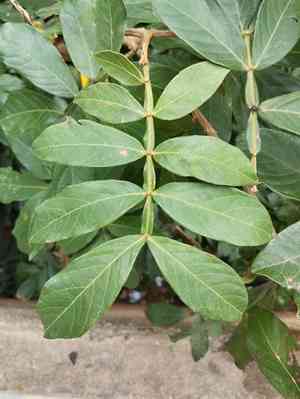
Quickly Identify Ice-cream-bean
1
Identifying Inga edulis involves looking for its large, pinnate leaves with multiple leaflets, distinctive white fluffy flowers, and long, green pods that can grow up to 2 meters in length. These pods contain sweet, white pulp-covered seeds.
Scientific Classification of Ice-cream-bean
Phylum
Vascular plants
Class
Dicotyledons
Order
Fabales
Family
Legume
Genus
Inga
Species
Ice-cream-bean
Planting and Growing of Ice-cream-bean
Care Difficulty
Easy
Watering Schedule
Every 3 days
Sunlight Requirements
Full sun
Sunshine Duration
4-8 hours
Ideal Temperature
68-86℉
Soil Type
Potting Mix, Peat Mix
Soil pH
6.5-7.5
Fertilizer Type
Balanced
Pruning Season
Spring, Summer
Pruning Area
Branches, Leaves
Pruning Frequency
2 times a year
Repotting Season
Spring
Pot Type
Plastic, Ceramic
 How to Water Ice-cream-bean?
Inga edulis generally thrives with a generous watering routine. Ensure the soil is moist but not waterlogged, allowing excess water to drain. A good rule of thumb is to water until the top inch of the soil feels slightly damp but not saturated.
What are the symptoms of an underwatered Ice-cream-bean?
›
What should I do if my Ice-cream-bean is not getting enough water?
›
What are the symptoms of an overwatered Ice-cream-bean?
›
How to save an overwatered Ice-cream-bean?
›
 What Are the Sunlight Requirements for Ice-cream-bean?
Partially sunny to fully sunny environments work best for Inga edulis. Ideal lighting enhances photosynthesis, leading to improved plant growth, healthier foliage, and better yield in flowering or fruiting plants.
More About Sunlight Requirements Techniques→
Question 1: What is the suitable environment for Inga edulis?
›
Question 2: How can you provide optimal sunlight conditions?
›
Question 3: What are the benefits of optimal sunlight for Inga edulis?
›
 What Is the Ideal Temperature Range for Ice-cream-bean?
Inga edulis thrives best in temperatures ranging from 68°F to 86°F. This range provides the warmth necessary for optimal growth and fruit production, mimicking the plant's native tropical environment. Maintaining temperatures within this range ensures vibrant foliage and robust plant health.
 What Soil is Best for Ice-cream-bean?
Inga edulis thrives in well-draining soils, which prevent waterlogging and root rot. Such soil structure allows for efficient nutrient uptake, promoting healthier growth and robust flowering. While drainage is essential, these trees also benefit from soils that retain enough moisture to keep roots hydrated. This duality ensures they receive consistent water supply, crucial for tropical species. Nutrient-rich soils provide Inga edulis with essential minerals and organic matter. This is vital for vigorous growth, leaf development, and fruit production, making them economically viable.
 How to Fertilize Ice-cream-bean?
For Inga edulis, aim to apply a moderate amount of fertilizer—about 1/4 cup per plant for liquid fertilizers and 1/2 cup per plant for slow-release fertilizers. This ensures that the plant receives sufficient nutrients to promote healthy growth without risking nutrient burn.
 How to Prune Ice-cream-bean?
Start by removing any dead, diseased, or damaged branches, making clean cuts at a slight angle to prevent water accumulation. Focus on maintaining an open structure by thinning out dense areas to allow light penetration and air flow. Trim back any crossing or rubbing branches to prevent them from wounding each other as they grow. Inga edulis can benefit from shaping to maintain a desired form and size. Use sharp pruning shears to trim back to a growth node that faces outward, promoting an open and manageable canopy. Regular shaping helps keep the tree aesthetically pleasing and prevents it from becoming too leggy or sprawling. To encourage bushier and more vigorous new growth, pinch or cut back the tips of young branches. This process stimulates the tree to produce more shoots and leaves, enhancing its density and overall health. Pay attention to balance in the tree's form, ensuring growth is evenly distributed.
More About Pruning Techniques→
 How to Propagate Ice-cream-bean plant?
1
Soak Inga edulis seeds in warm water for 24 hours prior to planting. This helps to soften the seed coat and promote germination by allowing moisture to penetrate.
2
After soaking, plant the seeds in seed trays filled with a well-draining potting mix. Cover them lightly with soil and keep the soil consistently moist until germination occurs, usually within 14-21 days.
3
Select healthy, semi-hardwood stems for cuttings. Cut a 4-6 inch section below a node with pruning shears, remove the lower leaves, and dip the cut end in rooting hormone before planting.
 How to Repot Ice-cream-bean plant?
1
Repot Inga edulis when its roots outgrow the current container, typically indicated by roots coming out of the drainage holes or a significant slowdown in growth. These are clear signals that the plant needs more space to thrive.
2
Select a pot that is one size larger than the current pot, with a drainage hole at the bottom. This ensures sufficient room for growth while preventing waterlogging, which is crucial for the plant's health and stability.
3
Opt for a well-draining loamy soil mix that can retain some moisture while ensuring excess water flows away. This type of soil provides the perfect balance of air, water, and nutrients, aiding in robust root development.
Learn More About Ice-cream-bean Diseases
Anthracnose
Bacterial Leaf Spot
Bacterial Soft Rot
Bacterial Wilt
Crown Gall
Cyst Nematode
Damping-off
Downy Mildew
Drought Stress
Fusarium Wilt
Gray Mold
Leaf Curl
Leaf Spot
Mosaic
Nutrient Deficiency
Nutrient Toxicity
Powdery Mildew
Root Rot
Root-knot Nematode
Rusts
Sooty Mold
Spider Mites
Temperature Stress
Thrips Damage
White Mold



