How to Prune Ice-cream-bean?
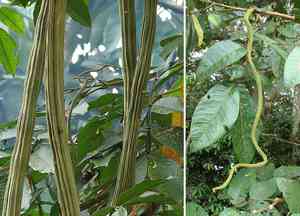
A tropical leguminous tree recognized for its elongated, seed-laden pods that resemble ice cream cones, ice-cream-bean responds positively to trimming with enhanced vigor and fruit yield. Perform pruning on ice-cream-bean during its winter dormancy, eliminating deceased, impaired, or excessively dense branches to boost air movement and light exposure. Consistent canopy reduction facilitates improved harvests and simpler collection. Ensure tools are disinfected between each cut to avert illness. Shape juvenile trees through pruning to establish a robust scaffold for subsequent development.
What Are the Benefits of Pruning Ice-cream-bean?
What Are the Benefits of Pruning Ice-cream-bean?
Trimming ice-cream-bean promotes robust development and enables gardeners to maintain its desired form, fostering strong and organized growth.
What Is the Best Time for Pruning Ice-cream-bean?
What Is the Best Time for Pruning Ice-cream-bean?
Winter is considered the ideal period for pruning ice-cream-bean because this season typically marks a dormant phase for many plants. During dormancy, ice-cream-bean will have finished its annual growth cycle and will not be actively producing new shoots, leaves, or fruit. Pruning in winter reduces the risk of stressing the plant as it is not diverting energy to growth or fruit production. It also allows gardeners to shape ice-cream-bean without the obstruction of leaves and to more easily identify any dead or diseased branches. Additionally, pruning cuts heal more quickly at the start of the new growth cycle that follows winter dormancy, thus preparing ice-cream-bean for vigorous growth in the spring. Since ice-cream-bean is commonly cultivated in tropical and subtropical regions, it is essential to prune during the cooler part of the year to avoid the stresses of heat and high humidity on fresh cuts.
What Tools Do I Need to Prune Ice-cream-bean?
Hand Pruners
Perfect for precise trimming of small branches and foliage to shape the canopy or remove dead material. Suitable for stems up to 1 inch in diameter.
Loppers
Best for cutting through thicker branches, typically up to 2 inches in diameter. They provide more leverage and reach than hand pruners, making them ideal for the larger branches of ice-cream-bean.
Pruning Saw
Essential when dealing with branches over 2 inches in diameter. A pruning saw allows for clean cuts without damaging the larger limbs.
Pole Pruner
If ice-cream-bean is of considerable height and has branches that are out of reach, a pole pruner will provide the necessary extension to prune without using a ladder.
Hedge Shears
Useful for shaping and maintaining the dense foliage of ice-cream-bean, especially for creating a formal appearance if desired.
How to Prune Ice-cream-bean
Sanitation
Disinfect your pruning tools with a bleach and water solution or rubbing alcohol to prevent the spread of disease when trimming ice-cream-bean.
Identification
Carefully examine ice-cream-bean to locate dead or diseased branches. Look for branches that lack green growth, have dried bark, or show signs of fungal infection.
Cutting Dead Branches
Using sharp, clean pruning shears, cut dead branches at the point where they connect with a healthy stem or the main trunk. Make the cut at a slight angle to facilitate water runoff and healing.
Cutting Diseased Branches
Trim any diseased branches by cutting at least several inches into healthy wood beyond the point of visible disease to ensure all infected material is removed.
Disposal
Dispose of dead and diseased material away from ice-cream-bean and other healthy plants to prevent the spread of disease. Do not compost these materials as the pathogens may not be destroyed.
Common Pruning Mistakes with Ice-cream-bean
Overpruning
Removing too much foliage from ice-cream-bean can stress the plant, impede its growth, and reduce fruit production.
Improper Cuts
Incorrect cutting technique can lead to jagged wounds that are susceptible to disease and may harm ice-cream-bean's recovery and growth.
Neglecting Tool Hygiene
Using dirty pruning tools can introduce pathogens to ice-cream-bean, increasing the risk of infection and disease spread.
Not Pruning At All
Failing to prune ice-cream-bean can lead to poor air circulation and light penetration, increasing susceptibility to pests and diseases, as well as potentially stunting growth and flowering.
Pruning Too Close
Cutting too close to the main stem or buds of ice-cream-bean can damage the plantâs healthy tissue and delay its recovery.
Common Pruning Tips for Ice-cream-bean
Choose Correct Tools
Use clean, sharp, and appropriately-sized pruning tools to make precise cuts on ice-cream-bean without damaging the branches.
Sanitize Tools
Before and after pruning ice-cream-bean, disinfect your cutting tools with a solution of bleach or alcohol to prevent disease spread.
Three-Cut Method
For larger branches, use the three-cut method on ice-cream-bean to prevent bark tearing: first, an undercut away from the trunk, then a top cut further out to remove the branch, finally a clean cut near the trunk.
Cut At Node
When shortening branches or twigs of ice-cream-bean, make angled cuts just above a node or bud to encourage healthy new growth.
Monitor Plant Health
Regularly check ice-cream-bean for dead, diseased, or crossing branches that should be removed to maintain plant health and structure.
Weather Considerations
Prune ice-cream-bean during dry weather to minimize the risk of disease infection through fresh cuts.



