How to Transplant Streambank wild hollyhock?
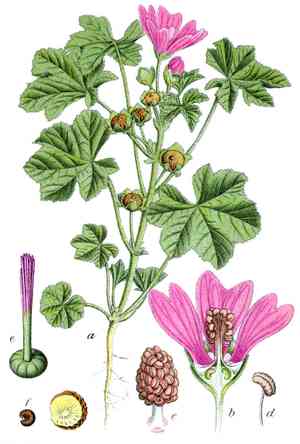
The most favorable period for relocating streambank wild hollyhock is as the earth thaws in spring, typically from early spring through its peak. Select a site that receives ample sunlight but also provides some protection from intense rays. Careful handling during the move fosters the streambank wild hollyhock's ability to thrive.
Essential Preparations Before Relocating Streambank Wild Hollyhock?
What is the Optimal Period for Relocating Streambank Wild Hollyhock?
Move your streambank wild hollyhock during the rejuvenating months, as winter's chill recedes and gentle sunlight emerges. This timeframe promotes strong root development before summer's heat. During these calm days, streambank wild hollyhock can fully benefit from increasing daylight and milder temperatures for peak growth. A successful relocation in this peaceful window guarantees streambank wild hollyhock has sufficient time to strengthen itself, promising a season of vibrant beauty in your garden.
How Much Space Should You Provide Between Streambank Wild Hollyhock Plants?
Greetings, aspiring gardener! When planting your streambank wild hollyhock, you'll want to allow ample room for them to thrive. Aim for a spacing of approximately 36-48 inches (91-122 cm) between each plant. This ensures your streambank wild hollyhock can expand and reach their full potential without any overcrowding.
What is the Ideal Soil Blend for Streambank Wild Hollyhock Relocation?
The perfect foundation for your streambank wild hollyhock begins with the soil. Select a location with fertile, well-draining soil. Prior to transplanting, incorporate some organic compost as a foundational fertilizer to give your streambank wild hollyhock a nutrient-rich start. This hearty nourishment will encourage vigorous growth from the very beginning!
Where Should You Replant Your Streambank Wild Hollyhock?
When choosing a sunny spot for your streambank wild hollyhock, seek an area that receives full to partial sunlight. This means a location where the soft morning rays or gentle afternoon light filters through, ensuring your streambank wild hollyhock gets the energy it requires while also enjoying some shade during the warmest part of the day.
What Tools Should You Prepare Before Relocating Streambank Wild Hollyhock?
Gardening Gloves
To safeguard your hands while handling soil and the plant.
Spade or Shovel
To excavate the streambank wild hollyhock and create a new planting site.
Garden Fork
To gently loosen the soil around the streambank wild hollyhock's root system without excessive damage.
Watering Can or Hose
To hydrate the streambank wild hollyhock before and after its relocation.
Wheelbarrow or Tarp
To move the streambank wild hollyhock and its surrounding soil.
Pruning Shears
To trim any damaged roots or stems, if necessary.
Organic Mulch
To help maintain soil moisture and inhibit weed growth around the streambank wild hollyhock after planting.
How Do You Extract Streambank Wild Hollyhock from the Soil?
How Do You Extract Streambank Wild Hollyhock from the Soil?
From Ground: First, water the streambank wild hollyhock to moisten the soil. Then, dig a broad trench around the plant with a shovel or spade, going deep enough to encompass most of the root ball. Carefully work the spade beneath the root ball and lift the plant from the ground, striving to keep as much of the root system intact as possible.From Pot: Begin by watering the streambank wild hollyhock, allowing moisture to penetrate and loosen the soil's grip on the roots. Tilt the pot sideways and gently tap it to aid in releasing the plant. If the streambank wild hollyhock doesn't come out easily, run a garden fork along the pot's inner edge to encourage separation. Then, invert the pot and carefully ease the plant out with your hand supporting the root ball.From Seedling Tray: Dampen the soil to prevent root disturbance. Use a spoon or small trowel to lift the entire soil clump with the streambank wild hollyhock seedling from the tray cell. Handle the seedling by the soil clump rather than the stem to avoid harm.
Step-by-Step Instructions for Relocating Streambank Wild Hollyhock
Preparation
Ensure all necessary tools are at hand and your new site for the streambank wild hollyhock is prepared.
Removal
Follow the specific removal procedure based on where your streambank wild hollyhock is currently growing, whether it's from the ground, a pot, or a seedling tray.
Transport
Carefully move the streambank wild hollyhock, ideally in a wheelbarrow or on a tarp, to the new location swiftly to minimize plant stress.
Hole Digging
Excavate a hole in the new location that is twice as wide and equally deep as the streambank wild hollyhock's root ball.
Placement
Position the streambank wild hollyhock in the center of the hole, gently spreading its roots. Ensure the plant sits at the same depth it was previously growing.
Filling
Backfill the hole with soil, gently firming around the plant to eliminate air pockets. Avoid stomping or pressing too hard, as this can harm roots.
Watering
Thoroughly water the streambank wild hollyhock after planting to settle the soil and hydrate the roots.
Mulching
Apply a layer of organic mulch around the base of the streambank wild hollyhock, being careful not to pile mulch against the stem or leaves.
How Do You Care For Streambank Wild Hollyhock After Relocation?
Initial Watering
Water the streambank wild hollyhock thoroughly and provide extra attention for the first few weeks until it's established.
Observation
Monitor the streambank wild hollyhock for signs of relocation shock, such as wilting leaves, and respond promptly if you notice any distress.
Mulching
Keep the mulch layer replenished to conserve moisture and suppress weeds.
Pruning
Trim any dead or damaged stems to encourage new growth and maintain plant vitality.
Support
Add supports like stakes or trellises if the streambank wild hollyhock appears to struggle with maintaining an upright position as it grows.
Protection
Safeguard the newly relocated streambank wild hollyhock from pests and extreme weather with appropriate protective measures, such as netting or row covers.
Addressing Common Issues with Streambank Wild Hollyhock Relocation.
When's the best time to relocate streambank wild hollyhock?
Optimal relocation time is from early to mid-spring, when growth is just resuming.
How much space does streambank wild hollyhock need between plants?
Allow a generous spread of 36-48 inches (91-122 cm) between plants for ample growth.
What should I do if streambank wild hollyhock's leaves wilt post-relocation?
Ensure the soil is moist and provide temporary shade. Wilting is common but should improve.
Why is my streambank wild hollyhock not thriving after relocation?
Check for root damage, adequate watering, and soil nutrition. Adjust care accordingly.
Can I relocate streambank wild hollyhock in fall?
Relocating streambank wild hollyhock in the fall isn't ideal. It's best when plants have just begun growing.
How deep should the hole be for relocating streambank wild hollyhock?
The hole should be as deep as the root ball and twice as wide for proper settling.
What's the correct way to water streambank wild hollyhock after relocation?
Water deeply after planting to settle the soil around roots, then regularly to maintain moisture.
Should I fertilize streambank wild hollyhock after relocating?
Wait a few weeks before fertilizing to let streambank wild hollyhock establish; use a balanced fertilizer.
How do I protect streambank wild hollyhock from relocation shock?
Minimize root disturbance, relocate swiftly, and water thoroughly to help mitigate relocation shock.
What soil type is best for relocating streambank wild hollyhock?
Plant streambank wild hollyhock in rich, well-draining soil; it prefers a mix that retains moisture but isn't soggy.



