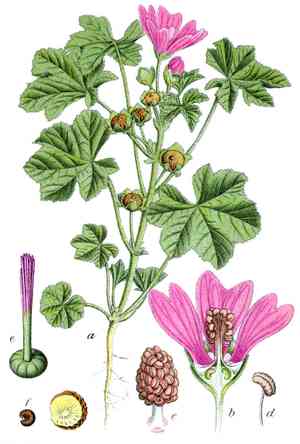
Streambank wild hollyhock (Iliamna rivularis)
Also known as: Streambank Globemallow, Mountain Hollyhock
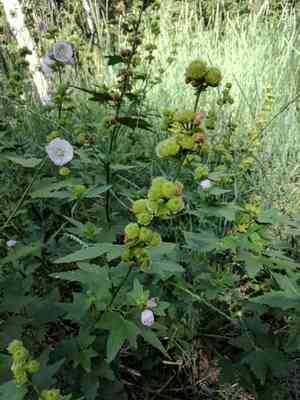
Streambank wild hollyhock (Iliamna rivularis) thrives in mountainous regions, typically found along streams and on forested slopes, as well as in disturbed sites. It prefers moist, well-drained soils and can grow between 91 to 183 cm tall. This plant features tall spikes of white, pink, or purple flowers that attract pollinators like bees, butterflies, and birds. Note that its brown berries may be toxic to children.
In This Article
Attributes of Streambank wild hollyhock
Lifespan
Perennial
Plant Type
Herb, Shrub
Plant Height
91 cm to 1.8 m
Spread
90 cm to 1.8 m
Leaf Color
Deep green
Flower Size
8 cm to 10 cm
Flower Color
Pink White Lavender
Images of Streambank wild hollyhock
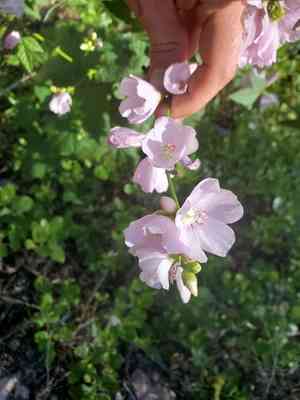
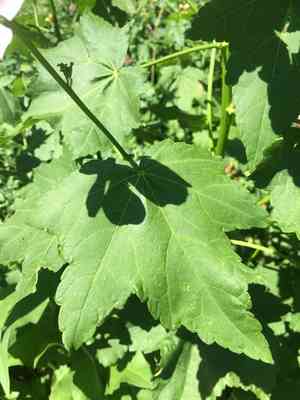
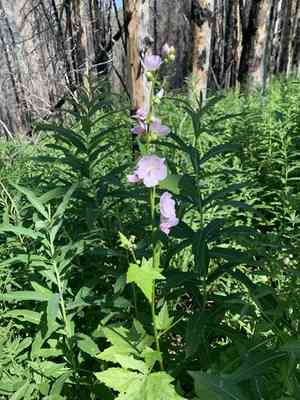
Quickly Identify Streambank wild hollyhock
1
The plant can be identified by its large, palmate leaves that are deep green and hairy. The flowers are cup-shaped and come in shades of pink, lavender, or white, with each flower having five petals. The plant usually grows in clumps and can reach heights of up to 6 feet.
Scientific Classification of Streambank wild hollyhock
Phylum
Vascular plants
Class
Dicotyledons
Order
Malvales
Family
Mallow
Genus
Wild hollyhocks
Species
Streambank wild hollyhock
Planting and Growing of Streambank wild hollyhock
Care Difficulty
Easy
Watering Schedule
Every 2 days
Sunlight Requirements
Full sun
Sunshine Duration
4-8 hours
Ideal Temperature
65-75℉
Soil Type
Potting Mix, Peat Mix
Soil pH
6.5-7.5
Fertilizer Type
Balanced
Pruning Season
Spring, Summer
Pruning Area
Branches, Leaves
Pruning Frequency
2 times a year
Repotting Season
Spring
Pot Type
Ceramic, Plastic
 How to Water Streambank wild hollyhock?
Iliamna rivularis requires a moderate watering regime, with each watering session delivering around 500 ml of water directly to the roots. This ensures the soil remains consistently moist but not waterlogged, promoting healthy growth.
What are the symptoms of an underwatered Streambank wild hollyhock?
›
What should I do if my Streambank wild hollyhock is not getting enough water?
›
What are the symptoms of an overwatered Streambank wild hollyhock?
›
How to save an overwatered Streambank wild hollyhock?
›
 What Are the Sunlight Requirements for Streambank wild hollyhock?
Iliamna rivularis thrives with 6 to 8 hours of sunlight. This range supports optimal photosynthesis, promoting healthy growth and vibrant blooms.
More About Sunlight Requirements Techniques→
What is the best location for Iliamna rivularis?
›
How can you ensure Iliamna rivularis gets enough sunlight?
›
Why is proper sunlight important for Iliamna rivularis?
›
 What Is the Ideal Temperature Range for Streambank wild hollyhock?
The ideal temperature range for Iliamna rivularis is between 65°F and 75°F. This range provides optimal conditions for growth and flowering, ensuring healthy development and vibrant blooms. Maintaining this range will help the plant in carrying out essential physiological processes efficiently.
 What Soil is Best for Streambank wild hollyhock?
Iliamna rivularis thrives in well-draining soil, which prevents root rot by allowing excess water to escape easily. This ensures healthy root growth and reduces stress on the plant, promoting robust development. Rich in organic matter, nutrient-rich soil supports the vigorous growth of Iliamna rivularis by providing essential nutrients. This encourages lush foliage and vibrant flowering, making your garden a visually appealing space. The ability to retain moisture without becoming waterlogged is crucial. It ensures Iliamna rivularis receives a constant water supply, particularly during dry spells, supporting its overall health and flowering potential.
 How to Fertilize Streambank wild hollyhock?
For Iliamna rivularis, it's important to avoid over-fertilization as it's a relatively low-maintenance plant. Use a balanced liquid fertilizer at half the strength recommended on the label, typically around 1 tablespoon per gallon of water. For slow-release fertilizers, 1.5 ounces per plant distributed evenly around the base is adequate.
 How to Prune Streambank wild hollyhock?
Iliamna rivularis tends to grow outward from its base. Start pruning the oldest and woodiest stems that are close to the ground. This will encourage new growth from the base and maintain the plant's natural bushy shape. By thinning out the central stems and branches, you help improve air circulation within the plant. This is crucial in preventing mildew and other fungal diseases. A well-ventilated plant dries quicker after rain and reduces humidity around foliage.
More About Pruning Techniques→
 How to Propagate Streambank wild hollyhock plant?
1
Use a well-draining soil mix composed of equal parts of potting soil, coarse sand, and perlite to promote root growth and prevent damping off.
2
Sow the seeds thinly on the surface of the soil mix, ensuring they are evenly spread. Cover them with a fine layer of soil to protect from direct sunlight.
3
Gentle watering using a spray bottle helps maintain moisture without disturbing the seeds or seedlings. Ensure consistent moisture without overwatering.
 How to Repot Streambank wild hollyhock plant?
1
Iliamna rivularis needs repotting when its roots protrude through the drainage holes or when growth appears stunted despite adequate care. Another signal is the soil drying out very rapidly. Ideally, repotting should occur when the plant shows signs of outgrowing its current container.
2
Select a pot that is slightly larger than the current one, with ample drainage holes. A pot too large can cause moisture retention issues, while one too small stunts growth. Terracotta pots work well as they allow the soil to breathe, which prevents overwatering.
3
Opt for well-draining loamy soil that is rich in organic matter. This ensures that the plant receives adequate nutrients while ensuring excess water drains effectively, preventing root rot—a common issue with underperforming soils.
Learn More About Streambank wild hollyhock Diseases
Anthracnose
Bacterial Leaf Spot
Bacterial Wilt
Crown Gall
Damping-off
Downy Mildew
Drought Stress
Fusarium Wilt
Gray Mold
Leaf Spot
Mosaic
Nutrient Deficiency
Nutrient Toxicity
Powdery Mildew
Root Rot
Root-knot Nematode
Rusts
Sooty Mold
Spider Mites
Temperature Stress
Thrips Damage
White Mold
Chemical Injury



