How to Prune Streambank wild hollyhock?
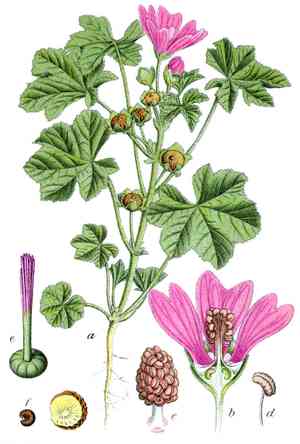
This enduring wild bloom thrives beside waterways, featuring expansive, maple-shaped foliage and lofty, striking inflorescences of pink blossoms. For streambank wild hollyhock, trim away deceased or aged stalks in early spring to foster vigorous development and adequate airflow. Furthermore, reducing the stems by roughly one-third subsequent to the initial summer flowering can incite a subsequent bloom. Refrain from pruning late in the season to safeguard nascent buds for the subsequent year. Consistent trimming of streambank wild hollyhock additionally aids in averting rust affliction and encourages a sturdy plant framework.
What Are the Benefits of Pruning Streambank Wild Hollyhock?
What Are the Benefits of Pruning Streambank Wild Hollyhock?
Trimming streambank wild hollyhock promotes strong development and helps keep its desired shape. Strategic cuts invigorate the plant, ensuring dense, vibrant foliage and a neat, controlled form that boosts its decorative appeal.
What Is the Best Time for Pruning Streambank Wild Hollyhock?
What Is the Best Time for Pruning Streambank Wild Hollyhock?
The periods of late spring and early summer are ideal for pruning streambank wild hollyhock due to factors related to its growth cycle and seasonal behavior. In late spring, streambank wild hollyhock has typically finished its main growth spurt, making it a good time to trim without affecting its vigor. This timing, just after new growth, ensures pruning won't impact winter hardiness or the plant's energy reserves, which are crucial during earlier spring growth. Pruning in early summer is beneficial as it usually follows the blooming phase for streambank wild hollyhock, allowing gardeners to shape the plant and remove spent flowers, which can encourage a healthier structure and potentially a second bloom. These seasons avoid stressing the plant during winter dormancy and reduce damage risk from late frosts, aligning with the plant's natural lifecycle for sustained health and flowering.
What Tools Do I Need to Prune Streambank Wild Hollyhock?
Bypass Pruners
Perfect for making clean cuts on the living stems of streambank wild hollyhock, offering precision and preventing unnecessary harm to the plant's tissues.
Pruning Saw
Essential for cutting through thicker stems or branches of streambank wild hollyhock that bypass pruners cannot manage, ensuring a clean cut without tearing.
Gloves
A fundamental safety item to shield hands from thorns and rough plant material while trimming streambank wild hollyhock.
Loppers
Useful for reaching thicker stems out of arm's reach, providing leverage for clean cuts on streambank wild hollyhock without straining the gardener's hands.
Garden Shears
Suitable for shaping and trimming the softer, non-woody parts of streambank wild hollyhock, allowing for quick and efficient plant shaping.
How to Prune Streambank Wild Hollyhock
Clean Tools
Sanitize your pruning implements to prevent disease spread. Use a mixture of 1 part bleach to 9 parts water to clean the blades.
Remove Diseased Leaves
Carefully inspect streambank wild hollyhock and remove any affected leaves. Use sharp, clean shears and snip the leaf at its base, without harming the main stem.
Trim Withered Leaves
Identify dried or yellowing leaves on streambank wild hollyhock. Trim these leaves at their base to encourage healthy growth and air circulation within the plant.
Cut Diseased Stems
Locate any stems on streambank wild hollyhock that show signs of illness. Make a clean cut above a healthy leaf node or bud to remove the entire diseased section.
Dispose Material
Properly dispose of all removed diseased leaves and stems from streambank wild hollyhock. Do not compost as this could spread disease; instead, seal in a plastic bag and discard with household waste.
Common Pruning Mistakes with Streambank Wild Hollyhock
Overpruning
Removing too much foliage at once can stress streambank wild hollyhock, leading to poor growth or reduced vigor. Aim to prune no more than one-third of the plant at a time to maintain its health.
Pruning Active Growth
Cutting back streambank wild hollyhock while it is actively growing can hinder its development. Allow it to complete its growth cycle before pruning to ensure maximal energy storage for the next season.
Improper Cuts
Making jagged or torn cuts on streambank wild hollyhock can create entry points for pests and diseases. Use sharp tools to make clean, direct cuts just above leaf nodes.
Neglecting Deadheading
Failing to remove spent flowers from streambank wild hollyhock reduces its blooming potential. Regular deadheading encourages more blooms and maintains a tidy appearance.
Common Pruning Tips for Streambank Wild Hollyhock
Sanitation
Sterilize pruning tools before and after use to prevent disease spread. Clean cuts help streambank wild hollyhock heal faster and stay healthy.
Rejuvenation
Periodically cut back older stems on streambank wild hollyhock to encourage new growth. This practice promotes more robust plants and revitalizes older specimens.
Shaping
Prune streambank wild hollyhock to maintain its natural form rather than forcing it into an unnatural shape. This approach reduces stress on the plant and improves its overall appearance.
Health Management
Regularly inspect streambank wild hollyhock for diseased or damaged growth. Removing problematic stems promptly helps maintain the well-being of the entire plant.



