How to Transplant Gibraltar candytuft?
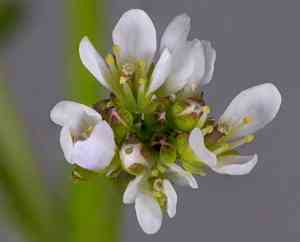
Relocate gibraltar candytuft during the mild period of late spring or as summer commences, ensuring establishment prior to intense heat. Choose a location bathed in sunlight with soil that drains effectively to foster vigorous development. A helpful tip: gibraltar candytuft prospers when afforded ample room to expand, so provide sufficient clearance.
What Preparations are Needed Before Transplanting Gibraltar Candytuft?
What is the Ideal Time for Transplanting Gibraltar Candytuft?
The perfect period for relocating gibraltar candytuft falls between late spring and early summer. This timing aligns with the plant's natural growth cycle, promoting healthier establishment and root development. Moving them during this window also avoids frost stress and intense mid-summer heat, setting gibraltar candytuft up for thriving success.
How Much Space Should You Leave Between Gibraltar Candytuft Plants?
Hello, green-thumbed friend! When finding a new home for your gibraltar candytuft, kindly give them room to flourish. Aim to plant them about 8-12 inches (20-30 cm) apart. This space will give them enough elbow room to grow beautifully without feeling crowded.
What is the Best Soil Mix for Gibraltar Candytuft Transplanting?
You'll want to prepare a cozy bed for your gibraltar candytuft. Find a spot with well-draining soil to keep their roots happy. A nutritious start is key, so mix in a balanced, slow-release fertilizer to nourish them as they establish themselves in their new home.
Where Should You Relocate Your Gibraltar Candytuft?
Our radiant gibraltar candytuft loves to bask in the sunshine! Choose a spot where they'll receive plenty of sunlightâfull sun is ideal. This sunny spot should help your gibraltar candytuft grow strong and grace you with vibrant blooms.
What Equipments Should You Prepare Before Transplantation Gibraltar Candytuft?
Gardening Gloves
To protect your hands while working with the soil and plant.
Spade or Garden Shovel
To dig the plant out and prepare the new planting hole.
Hand Trowel
For more precise work or smaller digging tasks.
Watering Can or Hose with a Gentle Spray Attachment
To water the plant before and after transplanting.
Wheelbarrow or Garden Cart
To transport the gibraltar candytuft if it is large or if the new site is far.
Pruning Shears
To trim any dead or damaged roots or stems before transplanting.
Measuring Tape
To maintain the appropriate spacing between plants.
How Do You Remove Gibraltar Candytuft from the Soil?
How Do You Remove Gibraltar Candytuft from the Soil?
From Ground: First, water the gibraltar candytuft plant to dampen the soil. Then, dig a wide trench around the plant using a shovel or spade, ensuring not to damage the root ball. Gradually go deeper until the root ball can be lifted out gently.From Pot: Begin by watering the gibraltar candytuft in its pot. Gently tap and squeeze the sides of the pot to loosen the root ball. Tip the plant sideways and ease it out, supporting the plant by the root ball and not by the stem.From Seedling Tray: Water the seedling tray to make the soil moist. Use a hand trowel or spoon to scoop out each gibraltar candytuft seedling, making sure to include the root system and surrounding soil.
Step-by-Step Guide for Transplanting Gibraltar Candytuft
Preparation
Water the gibraltar candytuft thoroughly a day before you intend to transplant. This will ensure that the plant is hydrated and the soil is easier to work with.
Digging the Hole
At the new location, dig a hole twice as wide and the same depth as the root ball of the gibraltar candytuft. This will ensure that the roots have enough room to spread.
Root Pruning
Use pruning shears to trim any roots that are broken, dead, or extremely long to encourage fresh growth.
Placing Plant
Carefully place the gibraltar candytuft in the center of the hole, ensuring that it is standing upright and at the same level it was growing previously.
Backfilling
Gently backfill the hole with soil, patting it down lightly around the root ball to eliminate any large air pockets.
Watering
Water the gibraltar candytuft immediately after planting to help settle the soil and eliminate air pockets. The water should be given gently to avoid washing away soil from the roots.
How Do You Care For Gibraltar Candytuft After Transplanting?
Watering
Keep the soil around the gibraltar candytuft consistently moist for the first few weeks after transplanting to help establish strong roots.
Mulching
Apply a layer of organic mulch around the base of the gibraltar candytuft to help retain moisture, regulate soil temperature, and reduce weed competition.
Pruning
Trim any foliage damaged during the transplant process to focus the gibraltar candytuft's energy on establishing the root system.
Monitoring
Watch for signs of transplant shock, such as wilting or yellowing leaves, and take action accordingly with water adjustments or shade if necessary.
Troubleshooting Common Issues with Gibraltar Candytuft Transplantation.
What's the best time to transplant gibraltar candytuft?
The prime transplanting window for gibraltar candytuft is when spring eases into summer, offering milder conditions.
How far apart should I space gibraltar candytuft when transplanting?
Give each gibraltar candytuft room to flourish by allowing 8-12 inches (20-30 cm) of space between them.
Can I transplant gibraltar candytuft on a dry, sunny day?
Transplant gibraltar candytuft on a cloudy day or in the evening to reduce stress and prevent wilting.
Why are my transplanted gibraltar candytuft wilting?
Wilting post-transplant can occur due to root shock. Ensure gentle handling and adequate watering.
How deep should I plant gibraltar candytuft during transplantation?
Dig a hole as deep as the root ball and twice as wide to encourage growth.
Should I water gibraltar candytuft immediately after transplanting?
Absolutely! Water gibraltar candytuft generously right after transplanting to help roots establish in their new home.
Is it necessary to amend the soil when transplanting gibraltar candytuft?
Enrich the new location with compost to provide gibraltar candytuft with a nutrient-rich environment for better growth.
How do I prevent transplant shock in gibraltar candytuft?
Minimize root disturbance and maintain consistent moisture levels to help gibraltar candytuft acclimate smoothly.
Can I use fertilizer right after transplanting gibraltar candytuft?
Hold off on fertilizer until gibraltar candytuft shows new growth, as early fertilization can harm delicate roots.
How do I choose the best spot for transplanting gibraltar candytuft?
Opt for a well-draining spot that receives full sunlight to partial shade for best results with gibraltar candytuft.



