How to Propagate Gibraltar candytuft?
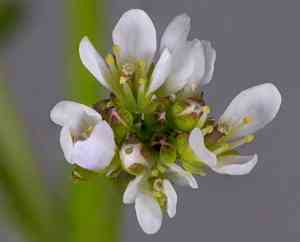
Originating from the Mediterranean area, gibraltar candytuft is a perennial woody plant recognized for its vivid flowers. Reproducing gibraltar candytuft is generally accomplished via cuttings. Cultivators ought to select robust, non-blooming stems and apply rooting stimulant for optimal outcomes. By guaranteeing sufficient hydration and warmth, the cuttings will establish roots effectively in a well-draining substrate. It is vital to be mindful of preventing excessively moist environments to avert decay. Gentle management of these fragile cuttings fosters a strong root structure, leading to the development of new gibraltar candytuft specimens that replicate the parent's traits.
Optimal Time for Gibraltar Candytuft Propagation
Propagation Type
Cutting
Propagation Season
Spring,Summer
Tools Required for Gibraltar Candytuft Propagation
Sharp pruning shears
These are vital for making clean cuts from gibraltar candytuft, ensuring minimal harm to the parent plant and the cutting itself. Sharp blades help prevent tissue damage, which can lead to better rooting success and lower disease risk.
Rooting hormone powder
This encourages root growth in gibraltar candytuft cuttings. Dipping the cut stem ends into rooting hormone can significantly boost the chances of successful root formation, which is key for new plant establishment.
Sterile potting mix
A well-draining, nutrient-rich potting mix offers the perfect setting for gibraltar candytuft cuttings to root. The mix's sterility ensures young plants aren't exposed to pathogens that could hinder their growth.
Propagation trays
These trays are used to hold cuttings securely and neatly while they develop roots. Trays also help maintain the necessary humidity and temperature conditions crucial for gibraltar candytuft's rooting process.
Humidity dome
Covering propagation trays with a humidity dome creates a high-humidity microenvironment, which benefits gibraltar candytuft by preventing cuttings from drying out before rooting begins.
How to Propagate Gibraltar Candytuft?
Propagation Type
Easy
Caring for Your Newly Propagated Gibraltar Candytuft
How to Care for Your Newly Propagated Gibraltar Candytuft?
Once gibraltar candytuft cuttings have rooted, typically after a few weeks, slowly acclimate them to the outdoor environment by removing the plastic cover for increasing durations over a week. After new roots are established, transfer the cutting to a larger pot or the garden, in well-drained soil with full sun to partial shade. Water regularly to keep the soil moist but not waterlogged, and fertilize with a balanced liquid fertilizer every 4-6 weeks during the growing season. Provide ample space between plants to ensure good air flow and prevent pest and fungal issues.
Common Propagation Mistakes to Avoid with Gibraltar Candytuft
Overwatering
Excessive water can cause root rot, a common problem for gibraltar candytuft, which prefers drier conditions. Overwatering can also lead to fungal diseases.
Deep Planting
When propagating gibraltar candytuft from seed, burying seeds too deeply can hinder germination. Gibraltar candytuft needs light to germinate effectively.
Ignoring Soil Drainage
Planting gibraltar candytuft in soil lacking proper drainage can result in waterlogged conditions, which are harmful to gibraltar candytuft's root system.
Overcrowding
Planting gibraltar candytuft too close together can restrict airflow and raise humidity around the plants, increasing the risk of pests and diseases.
Neglecting Acclimatization
Gibraltar candytuft can be sensitive to sudden environmental changes. Failing to gradually acclimate young plants to outdoor conditions can cause transplant shock.
Tips for Propagating Gibraltar Candytuft
Moderate Watering
Water gibraltar candytuft just enough to keep the soil slightly moist. This species is drought-tolerant, requiring less water than many other plants.
Surface Sowing
For successful seed germination, sprinkle gibraltar candytuft's seeds on the soil surface or lightly cover them with soil as they need light to germinate.
Well-Draining Soil
Use a well-draining soil mix for gibraltar candytuft to prevent water retention near the roots, which can cause rot or fungal diseases.
Adequate Spacing
Space gibraltar candytuft appropriately according to its growth habit for adequate air circulation, reducing the chances of pests and diseases.
Gradual Hardening Off
Gradually introduce gibraltar candytuft to outdoor conditions over several days to allow the plant to adjust and prevent transplant shock.



