How to Prune Gibraltar candytuft?
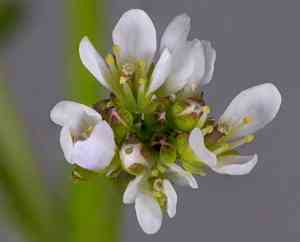
This perennial shrub, which retains its foliage, is recognized for its striking white-to-pink blossoms and its requirement for soil that drains effectively. For gibraltar candytuft, trimming should primarily involve eliminating faded blooms and contouring the plant to preserve its dense structure. Removing spent flowers after their peak encourages an additional flowering period. A light trim in spring will stimulate fresh development. Refrain from severe cutting to prevent harm to the enduring woody foundation. Trimming during spring, summer, or autumn coincides with gibraltar candytuft's periods of vigorous growth, thereby improving its general well-being and floral output.
What Are the Benefits of Pruning Gibraltar Candytuft?
What Are the Benefits of Pruning Gibraltar Candytuft?
Trimming gibraltar candytuft boosts vitality by eliminating old blossoms and dense foliage, enhancing air movement and light penetration. It aids in maintaining form, preventing excessive growth and preserving the plant's visual appeal.
What Is the Best Time for Pruning Gibraltar Candytuft?
What Is the Best Time for Pruning Gibraltar Candytuft?
Pruning in late Spring helps remove any branches damaged over winter, thus directing gibraltar candytuft's energy towards producing new growth and leaves essential for photosynthesis and overall health. Early Summer is an opportune time to trim as it allows gardeners to shape gibraltar candytuft after flowering without affecting the subsequent year's bloom. Fall pruning is also acceptable. It assists in preparing gibraltar candytuft for dormancy by clearing away any dead or diseased foliage, which can prevent the spread of fungal issues and pests that exploit weak tissue during colder months. However, it's vital to stop pruning before winter arrives to ensure new cuts have adequate time to heal before cold weather sets in, protecting fresh wounds from frost damage.
What Tools Do I Need to Prune Gibraltar Candytuft?
Hand Pruners
Perfect for cutting through stems and branches of gibraltar candytuft that are less than 3/4 inch thick, offering precise cuts for shaping and removing dead or overgrown parts.
Pruning Shears
Designed ergonomically for comfortably trimming gibraltar candytuft without harming the plant's delicate stems, making them suitable for deadheading and encouraging new development.
Garden Scissors
Useful for thinning and trimming the foliage of gibraltar candytuft, allowing for careful snipping without disturbing adjacent plant sections.
How to Prune Gibraltar Candytuft
Disinfect Tools
Before pruning gibraltar candytuft, thoroughly clean and sanitize all pruning implements to prevent the spread of illness.
Remove Dead Material
Carefully cut away all dead branches and withered leaves from gibraltar candytuft, ensuring cuts are made at the base of the dead material to encourage healthy development.
Trim Diseased Portions
Identify and prune any diseased leaves and branches from gibraltar candytuft, cutting well into healthy tissue to ensure the complete removal of affected parts.
Shape Plant
Shape gibraltar candytuft by pruning overgrown branches just above a leaf node, maintaining the plant's natural mounded form.
Cleanup
After pruning gibraltar candytuft, clear away all removed plant material and dispose of it properly to prevent disease transmission in the garden.
Common Pruning Mistakes with Gibraltar Candytuft
Over-Pruning
Removing too much foliage at once can stress gibraltar candytuft, hindering its ability to grow and bloom. Aim to remove no more than one-third of the plant's total mass.
Improper Cut Locations
Cutting anywhere on the stem without considering the placement of new buds can lead to undesirable plant shapes and reduced flowering. Make cuts just above new growth or leaf nodes.
Using Dull Tools
Blunt pruning tools can cause jagged cuts that harm gibraltar candytuft and create an entry point for disease. Always use sharp pruning shears for clean cuts.
Pruning Without Disinfection
Neglecting to sanitize tools between cuts or plants may spread disease among your gibraltar candytuft or between different plants in your garden.
Neglecting Deadheading
Failing to remove the spent flowers from gibraltar candytuft can prevent it from reblooming effectively.
Common Pruning Tips for Gibraltar Candytuft
Selective Pruning
Thin out gibraltar candytuft by selectively removing some of the older stems to encourage new growth, which supports a more open and healthy plant structure.
Promotion Of Air Flow
When pruning, aim to create an open center to promote good air circulation, reducing the risk of fungal diseases in gibraltar candytuft.
Encouraging Bushy Growth
Prune gibraltar candytuft by trimming back leggy stems to a strong set of leaves. This will help promote a bushier, more compact growth habit.
Deadheading
Regularly removing faded or dead flowers from gibraltar candytuft will encourage continued blooming by preventing the plant from putting energy into seed production.
Careful Tool Selection
Use bypass pruners for gibraltar candytuft as they provide precise cuts and avoid crushing the plant's stems, ensuring a healthier recovery.



