How to Transplant False ironwort?
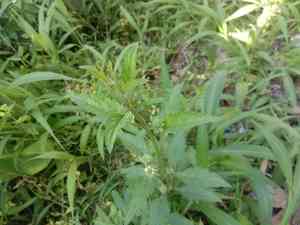
The most favorable period for relocating false ironwort is the revitalizing interval spanning from the beginning of spring to the threshold of summer, leveraging moderate temperatures and the commencement of new growth. Select a brightly lit location with soil that drains effectively to foster vigorous expansion.
What Preparations are Needed Before Transplanting False Ironwort?
What is the Ideal Time for Transplanting False Ironwort?
The best time to move false ironwort is from early spring to the beginning of summer. Relocating it during this period ensures the plant settles well in mild temperatures, promoting strong root development before summer's heat. This timing allows false ironwort to build a solid base, benefiting from spring's moderate climate and increased daylight, which collectively boost the plant's vitality and resilience. A well-timed move provides false ironwort with the advantage of the season's gentle rains, helping with natural watering and reducing transplant shock, leading to a beautiful display of false ironwort's charm.
How Much Space Should You Leave Between False Ironwort Plants?
Allow your false ironwort ample room to thrive! Aim for a spacing of approximately 12-18 inches (30-45 cm) between plants. This distance ensures each plant receives sufficient nutrients and minimizes competition, setting them up for optimal growth from the start.
What is the Best Soil Mix for False Ironwort Transplanting?
For your false ironwort, a soil that drains well is highly effective! Before planting, enrich the soil with a balanced, slow-release fertilizer. A blend of loamy soil with organic compost will encourage robust growth and healthy roots. Always prepare your soil with care and attention!
Where Should You Relocate Your False Ironwort?
Your false ironwort thrives in a sunny location. Select a spot where it will receive at least 6 to 8 hours of direct sunlight daily, as this will promote vigorous growth. An east or south-facing position would be ideal for your green companion!
What Equipments Should You Prepare Before Transplantation False Ironwort?
Gardening Gloves
To safeguard your hands while handling soil and plants.
Trowel
For excavating smaller holes or channels when extracting the plant from a pot or seedling tray.
Shovel or Spade
For digging around plants in the ground and assisting with the lifting process.
Watering Can or Hose
To hydrate the plant before and after removal to ease its transition.
Pruning Shears
To trim any damaged roots or foliage prior to transplanting.
Wheelbarrow or Garden Cart
To transport the plant and soil efficiently.
Gardening Fork
To loosen the soil surrounding the plant's roots in preparation for transplanting.
How Do You Remove False Ironwort from the Soil?
How Do You Remove False Ironwort from the Soil?
From Ground: First, water the false ironwort to moisten the soil, making extraction easier. Carefully dig a wide trench around the plant with a shovel or spade, ensuring the root ball remains undamaged. Gently work the tool beneath the root ball and lift the plant from the soil.From Pot: Begin by watering the false ironwort to loosen the soil. Gently tilt the pot sideways and tap the bottom to help the plant slide out. Support the plant by its base and carefully guide it from the pot.From Seedling Tray: Water the seedlings to make the soil damp. Use a trowel or similar tool to delicately lift each false ironwort from its compartment, taking care not to harm the delicate roots.
Step-by-Step Guide for Transplanting False Ironwort
Preparation
Choose a cool, overcast day to minimize transplant shock. Water the false ironwort thoroughly at its original location one day before transplanting to hydrate its roots.
Root Ball Handling
Carefully extract the false ironwort with its root ball intact. Ensure the root ball remains undisturbed and moist throughout the process.
Transport
Move the false ironwort to its new location promptly, using a wheelbarrow or garden cart to prevent any unnecessary damage.
Hole Digging
Dig a hole at the new site, making it twice as wide and equal in depth to the plant's root ball. Loosen the surrounding soil with a gardening fork.
Plant Positioning
Place the false ironwort in the hole. Adjust it to the same depth it was at its previous spot, ensuring the plant stands upright.
Soil Replacement
Backfill the hole with soil, gently tamping down around the roots to eliminate air pockets.
Watering In
Water the false ironwort generously immediately after planting to settle the soil and provide essential moisture for the roots.
How Do You Care For False Ironwort After Transplanting?
Initial Watering
Ensure the soil around the false ironwort remains moist for the first few weeks through consistent watering, fostering a strong root system.
Mulching
Apply a layer of mulch around the base of the false ironwort, keeping it away from the stem, to retain soil moisture and regulate temperature.
Protection
Use plant supports, if needed, to shield the false ironwort from strong winds until it is firmly established.
Monitoring
Watch for signs of transplant shock, such as wilting or yellowing leaves, and take appropriate action.
Troubleshooting Common Issues with False Ironwort Transplantation.
When is the best time to transplant false ironwort?
The ideal time for transplanting false ironwort is during early to late spring, when temperatures are mild.
How far apart should I plant false ironwort?
Space false ironwort approximately 12-18 inches (30-45 cm) apart to ensure proper growth and air circulation.
What soil type is best for false ironwort after transplanting?
Utilize well-draining soil rich in organic matter to provide false ironwort with optimal growth conditions post-transplant.
How much should I water false ironwort after transplanting?
Water false ironwort generously after transplanting, then maintain consistent moisture without overwatering.
Should I fertilize false ironwort after transplanting?
Wait 2-4 weeks after transplanting before fertilizing false ironwort to allow roots to become established.
How deep should I plant false ironwort's root ball?
The root ball of false ironwort should be planted at the same depth it was growing previously.
Can false ironwort be transplanted on cloudy days?
Yes, overcast days are perfect for transplanting false ironwort as they minimize transplant shock.
What are the signs of transplant shock in false ironwort?
Wilting, yellowing, or dropped leaves can indicate transplant shock in false ironwort.
How do I protect false ironwort from pests after transplanting?
Monitor false ironwort regularly and employ suitable organic pest control methods if necessary.
Can false ironwort handle full sun immediately after transplanting?
Gradually acclimate false ironwort to full sun to prevent stress after transplanting.



