How to Prune False ironwort?
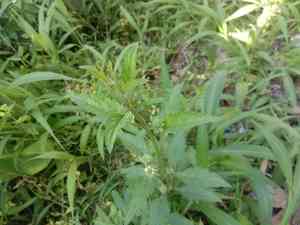
This perennial tropical herb flourishes in temperate environments and is recognizable by its sturdy, erect development and spherical inflorescences. For false ironwort, trimming ought to concentrate on eliminating deceased or ailing stalks and managing its dimensions. The most effective time for pruning is in Spring, Summer, or Autumn to foster fresh development and preserve the plant's well-being. Trimming during these periods can also incite more prolific blooming. Consistent pruning improves air movement, diminishes issues with pests, and sustains false ironwort's appealing and shapely growth pattern.
Advantages of Trimming False Ironwort
Advantages of Trimming False Ironwort
Trimming false ironwort stimulates robust development, ensuring strength and vigor. Strategic cuts maintain the plant's form, enhancing appearance and well-being by allowing better air circulation and light penetration.
Optimal Time for Pruning False Ironwort
Optimal Time for Pruning False Ironwort
Pruning false ironwort in Spring is advantageous as it encourages fresh growth following the dormant winter period. Early Summer trimming aids in shaping the plant and removing any excessive growth from the Spring surge, ensuring false ironwort avoids becoming overgrown and maintains good air circulation, which is vital for its health and reduces disease risk. Autumn is also an ideal time to prune false ironwort to prepare it for the upcoming winter, by eliminating any dead or diseased foliage that could harbor pests and pathogens. These seasons are optimal because they align with false ironwort's growth cycle, allowing the plant to recover and flourish without the stress of extreme weather, and ensuring that flowering or fruiting is not negatively impacted. It is best to avoid heavy pruning in late Summer or early Fall, as new growth might not harden off in time before the first frost.
Tools Required for Pruning False Ironwort
Bypass Pruners
Perfect for making neat cuts on false ironwort's slender stems, bypass pruners operate like scissors, with two blades sliding past each other. This type of pruner is less likely to crush stems, promoting healthier regrowth after trimming.
Pruning Shears
For precise shaping and removing smaller, more delicate parts of false ironwort, pruning shears offer superior control. Ensure they are sharp to prevent damage to plant tissues.
Loppers
When dealing with thicker branches that bypass pruners cannot manage, loppers extend reach and provide the necessary leverage to cut through false ironwort's more substantial stems, making them an essential tool for larger plants.
Gardening Gloves
Protective gloves are vital to prevent scratches and irritation from handling false ironwort, as gardeners may have sensitive skin, and the plant may have rough or sharp edges.
Alcohol Wipes or Rubbing Alcohol
Used to sanitize tools before and after pruning false ironwort, this prevents the spread of disease between plants. Hygiene is a crucial factor in successful pruning.
How to Prune False Ironwort
Identify withered leaves
Thoroughly inspect false ironwort to locate all withered leaves. These are leaves that are brown, dry, or clearly dying.
Clean cut
Utilize sterilized, sharp pruning shears to make clean cuts. Remove the withered leaves by cutting them at their base, close to the main stem or branch, without harming healthy adjacent foliage.
Disposal
Gather and properly dispose of the removed withered leaves to prevent the spread of potential diseases or pests.
Site monitoring
After pruning, observe false ironwort for signs of new growth. Verify that the areas where cuts were made do not exhibit signs of disease or stress.
Care maintenance
Continue to provide regular care, including watering, feeding, and sunlight exposure, to ensure the overall health and vigor of false ironwort.
Common Pruning Errors with False Ironwort
Over-pruning
Removing too much foliage at once can stress false ironwort, leading to stunted growth or increased susceptibility to diseases.
Blunt tool use
Using dull or unsanitized pruning tools can result in jagged cuts that can invite pests and diseases to false ironwort.
Cutting at wrong angle
Making cuts at incorrect angles can hinder water runoff and may cause decay in the cut areas of false ironwort.
Pruning healthy growth
Inexperienced gardeners might prune new, healthy growth instead of just the dead or diseased parts, potentially impeding the development of false ironwort.
Ignoring plant shape
Not considering the natural shape of false ironwort during pruning can lead to an unattractive plant and may impede its growth.
General Pruning Advice for False Ironwort
Clean cut
Always use sharp and sanitized pruning tools to make clean, precise cuts on false ironwort, which aids in faster healing of the wounds.
Cut above node
When shortening stems, make cuts just above a leaf node or bud to encourage new growth in false ironwort.
Thin center
Thinning the center of false ironwort allows light and air to penetrate the plant, which is crucial for reducing the risk of fungal diseases.
Identify before cut
Carefully identify dead or diseased stems before pruning, ensuring only these are removed to maintain the health of false ironwort.
Gradual pruning
For a more extensive prune, do it gradually over a period to minimize stress on false ironwort and allow it to recover between sessions.



