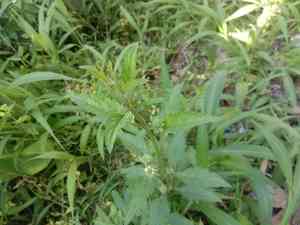
False ironwort (Hyptis capitata)
Also known as: Ironwort
Parthenium weed (*Parthenium hysterophorus*) is an annual shrub that originates from Central and North America. It proliferates extensively and is regarded as a troublesome weed. This species has spread to regions including Australia and parts of Southeast Asia, where it can grow up to 1.5 meters tall.
In This Article
Attributes of False ironwort
Lifespan
Annual, Perennial
Plant Type
Herb
Plant Height
1.5 m
Spread
Not well defined
Leaf Color
Green
Flower Size
3 mm to 4 mm
Flower Color
Yellow Green Brown
Images of False ironwort
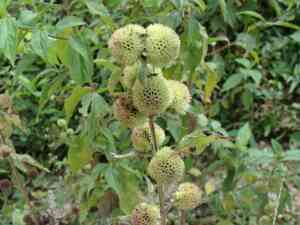
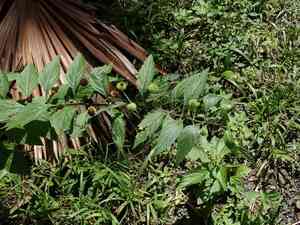
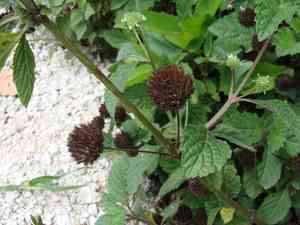
Quickly Identify False ironwort
1
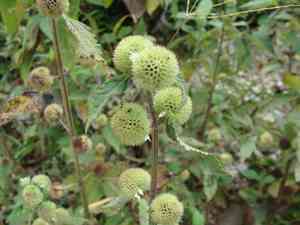
Hyptis capitata can be identified by its characteristic knob-like flower heads and aromatic leaves. The plant typically has hairy stems and leaves which release a distinct scent when crushed.
Scientific Classification of False ironwort
Phylum
Vascular plants
Class
Dicotyledons
Order
Lamiales
Family
Mint
Genus
Bushmints
Species
False ironwort
Planting and Growing of False ironwort
Care Difficulty
Easy
Watering Schedule
Every 4 days
Sunlight Requirements
Partial sun
Sunshine Duration
6-10 hours
Ideal Temperature
65-80℉
Soil Type
Potting Mix, Peat Mix
Soil pH
6.2-7.5
Fertilizer Type
Balanced
Pruning Season
Spring, Summer
Pruning Area
Branches, Leaves
Pruning Frequency
2 times a year
Repotting Season
Spring
Pot Type
Plastic, Ceramic
 How to Water False ironwort?
Hyptis capitata requires careful consideration of water needs. Water it thoroughly until the excess drains out of the pot to ensure roots are well hydrated. However, be sure not to leave it standing in water to prevent root rot.
What are the symptoms of an underwatered False ironwort?
›
What should I do if my False ironwort is not getting enough water?
›
What are the symptoms of an overwatered False ironwort?
›
How to save an overwatered False ironwort?
›
 What Are the Sunlight Requirements for False ironwort?
Hyptis capitata thrives in partial sun conditions, benefiting greatly from four to six hours of filtered sunlight. This balance promotes lush growth and healthy foliage without the risk of burning from direct exposure.
What is the optimal lighting condition for Hyptis capitata?
›
How can you achieve ideal lighting for Hyptis capitata?
›
What are the benefits of providing ideal lighting to Hyptis capitata?
›
 What Is the Ideal Temperature Range for False ironwort?
Hyptis capitata thrives within a temperature range of 65°F to 80°F. This range supports optimal physiological functions, including photosynthesis and nutrient uptake, ensuring healthy growth and vibrant foliage. Maintaining these temperatures consistently allows for stable development and flowering cycles.
 What Soil is Best for False ironwort?
Hyptis capitata thrives in well-draining soil as it prevents waterlogging, which can lead to root rot. This characteristic allows the roots to access oxygen efficiently, promoting healthier growth. A soil rich in organic matter supports robust growth for Hyptis capitata. Nutrient availability encourages lush foliage and can enhance its flowering potential, contributing to a visually appealing plant. While preferring sandy loam, Hyptis capitata benefits from soil that retains some moisture without becoming waterlogged. This balance is crucial in maintaining steady growth, especially in periods of elevated temperature.
 How to Fertilize False ironwort?
For Hyptis capitata, the optimal fertilization amount is crucial. It thrives with a nitrogen-rich formula, typically around 1 teaspoon per gallon for liquid fertilizers. For granular types, use approximately 1 to 2 tablespoons per plant, ensuring nutrients are evenly available throughout the growth cycle.
 How to Prune False ironwort?
Look for stems that appear leggy or those that have already flowered. Start by cutting these back to encourage new, vigorous growth. This process helps the plant concentrate its energy on developing new shoots. When pruning, use sharp, clean shears to make your cuts at a 45-degree angle. This technique promotes quicker healing and reduces the likelihood of water collecting on the cut surface, which can lead to rot. Collect and dispose of all pruned material promptly. This prevents potential pest and disease issues from arising, as leaving old plant material around your Hyptis capitata can attract unwanted visitors.
More About Pruning Techniques→
 How to Propagate False ironwort plant?
1
Fill the seed tray with a quality seed-starting mix, which is lighter and provides the right nutrients for germination. Water the medium lightly to ensure it is moist but not waterlogged.
2
Distribute Hyptis capitata seeds evenly on the surface of the soil and cover them lightly with a thin layer of soil. Ensure they are in contact with the soil for proper germination.
3
Using pruning shears, take cuttings of about 4-6 inches long from a healthy plant. Remove the lower leaves and ensure at least two nodes are present for optimal root development.
 How to Repot False ironwort plant?
1
Hyptis capitata should be repotted when its roots start to overflow from the current pot, or when it shows signs of reduced growth and vigor. Another signal is if the soil is compacted and doesn't hold moisture effectively.
2
Select a pot that is 1-2 inches larger in diameter than the current one, with good drainage holes. A slightly larger pot allows for growth, prevents waterlogging, and promotes root health, which is crucial for this plant.
3
A well-draining, loamy soil mix is ideal for Hyptis capitata. This type of soil prevents excess water retention while still supplying the necessary nutrients, promoting healthier root development and robust growth.



