How to Transplant Clustered bushmint?
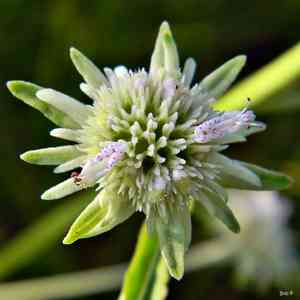
The ideal period to relocate clustered bushmint is as winter recedes and spring blossoms, a time when the ground becomes warmer and prior to the onset of severe summer temperatures. Select a location where clustered bushmint will flourish in full sunlight to partial shade, guaranteeing a growing medium that drains effectively. When transplanting clustered bushmint, handling the root system with care facilitates successful establishment.
What Preparations are Needed Before Transplanting Clustered Bushmint?
What is the Ideal Time for Transplanting Clustered Bushmint?
Move clustered bushmint during the garden's revival period, when winter's cold recedes and gentle warmth promotes growth. This timeframe, typically from the refreshing breezes of early spring to the edge of summer's arrival in late spring, offers clustered bushmint roots the best chance to establish comfortably before intense heat. Relocating clustered bushmint in this season ensures they benefit from moderate temperatures and increasing daylight, fostering robust root development and minimizing transplant shock, thus preparing them for a summer of abundant growth.
How Much Space Should You Leave Between Clustered Bushmint Plants?
When preparing to rehome your clustered bushmint, aim for a comfortable spacing of 18-24 inches apart (approximately 45-60 cm). This provides each plant ample room to flourish without feeling constrained.
What is the Best Soil Mix for Clustered Bushmint Transplanting?
Your clustered bushmint will thrive in well-draining soil that provides a comfortable foundation for its roots. Incorporate a balanced, slow-release fertilizer before planting to give it a nutrient-rich start, enabling strong and healthy development.
Where Should You Relocate Your Clustered Bushmint?
Select a sunny location for your clustered bushmint where it can receive at least six hours of daily sunlight. A spot that gets morning sun and partial afternoon shade would be ideal for its optimal growth.
What Equipments Should You Prepare Before Transplantation Clustered Bushmint?
Gardening Gloves
To safeguard your hands while handling soil and plants.
Shovel or Spade
For excavating the plant and preparing a new hole in the garden.
Watering Can or Hose
To hydrate the plant before and after relocation.
Garden Trowel
For precise tasks or moving smaller plants.
Pruning Shears
To trim any damaged roots or excess foliage prior to transplanting.
Wheelbarrow
For moving the clustered bushmint plant from one spot to another, if it's large enough.
Mulch
To apply around the plant's base after it has been moved.
Rooting Hormone (optional)
To stimulate root development if the root system has sustained damage.
How Do You Remove Clustered Bushmint from the Soil?
How Do You Remove Clustered Bushmint from the Soil?
From Ground: First, thoroughly water the clustered bushmint to moisten the soil. Use a shovel or spade to dig a wide trench around the plant, larger than the anticipated root ball. Gently slide the tool beneath to lift the plant, minimizing root damage.From Pot: Water the clustered bushmint and gently tap the pot's sides to loosen the soil. Turn the pot sideways and carefully ease the plant out, supporting the root ball with your hand.From Seedling Tray: Water the tray to soften the soil. Use a garden trowel or your fingers to carefully lift the clustered bushmint seedling, ensuring a good amount of soil remains attached to the roots.
Step-by-Step Guide for Transplanting Clustered Bushmint
Preparation
Prepare the new planting location by clearing weeds and loosening the soil to a depth of at least 6-8 inches.
Dig Hole
Use a shovel to create a hole that is twice the width of the clustered bushmint's root ball and of the same depth to prevent burying the stem too deeply.
Plant Inspection
Examine the clustered bushmint root ball for any signs of circling or girdling roots and gently untangle them. Trim any overly long or damaged roots.
Placement
Position the clustered bushmint in the center of the hole, ensuring it sits at the same level it was growing previously. The transition should be smooth with minimal disruption to its growth pattern.
Fill Hole
Carefully backfill the hole with soil, gently tamping it down around the roots to eliminate air pockets.
Watering
Thoroughly water the clustered bushmint to settle the soil and help reduce transplant shock. If appropriate, add a rooting hormone to the water to encourage root growth.
Mulching
Apply a layer of mulch around the base of the clustered bushmint to help retain moisture and regulate soil temperature.
How Do You Care For Clustered Bushmint After Transplanting?
Monitoring
Regularly observe the clustered bushmint for indications of transplant shock, such as wilting or yellowing leaves, and intervene if necessary.
Watering
Keep the soil consistently moist for the initial few weeks until the clustered bushmint is well-established, then adjust according to its usual watering requirements.
Mulching
Replenish the mulch as needed to maintain a consistent layer, which will also aid in weed suppression.
Pruning
Trim away any dead or dying foliage to promote healthy new growth and shape the clustered bushmint as it adapts to its new environment.
Protection
If the clustered bushmint was planted late in the season, consider adding a protective layer or frost cover to shield it from cold temperatures.
Troubleshooting Common Issues with Clustered Bushmint Transplantation.
When is the best time to transplant clustered bushmint?
The optimal period for relocating clustered bushmint is from early to late spring, when the soil begins to warm.
How much space does clustered bushmint need when transplanting?
Space clustered bushmint approximately 18-24 inches apart (45-60 cm), allowing room for development and air circulation between plants.
What's the ideal soil condition for transplanting clustered bushmint?
Well-draining soil, rich in organic matter, is perfect for clustered bushmint to flourish after being transplanted.
How deep should I plant clustered bushmint when transplanting?
Relocate clustered bushmint so its root ball is level with the soil surface, allowing roots to become established.
Can I transplant clustered bushmint under direct sunlight?
It's generally not advisable; clustered bushmint should be moved to a spot with morning light and afternoon shade to prevent stress.
Why is my clustered bushmint wilting after transplanting?
Wilting can occur due to transplant shock. Ensure adequate watering, and clustered bushmint should gradually recover.
How do I water clustered bushmint after transplanting?
Water thoroughly after transplanting and provide consistent moisture until clustered bushmint is firmly established.
Should I fertilize clustered bushmint immediately after transplanting?
Wait a few weeks before applying fertilizer to avoid burning the roots and allow clustered bushmint to settle in.
Can clustered bushmint be transplanted during the hot summer months?
It's best to avoid moving clustered bushmint in intense heat to reduce stress and the risk of dehydration.
How do I prepare the transplant site for clustered bushmint?
Clear weeds, loosen the soil, and enrich the area with compost before relocating clustered bushmint.



