How to Prune Clustered bushmint?
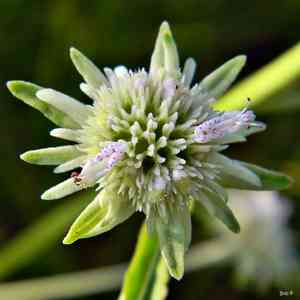
A perennial plant recognized for its fragrant leaves and grouped violet blossoms, clustered bushmint flourishes with consistent care. To achieve vigorous development, trim clustered bushmint in the latter part of winter or early spring prior to the emergence of new shoots. Make cuts just above a leaf node to foster a denser form and avert an elongated appearance. Removing faded flowers can boost subsequent blooms and inhibit self-propagation. Trimming additionally aids in preserving the plant's contour, manages its dimensions, and can revitalize an aging clustered bushmint. Verify that implements are sanitized to preclude the dissemination of pathogens.
Advantages of Trimming Clustered Bushmint
Advantages of Trimming Clustered Bushmint
Trimming clustered bushmint encourages robust development and helps maintain its desired form. Regular removal of lifeless or overgrown limbs enhances air circulation, lowering disease risk and fostering new, healthier growth.
Optimal Period for Trimming Clustered Bushmint
Optimal Period for Trimming Clustered Bushmint
Late winter and early spring are the best times for trimming clustered bushmint, as this timing aligns with the plant's dormant period before its active growth phase. Trimming during these seasons minimizes stress on clustered bushmint and promotes a healthier recovery. It also allows the gardener to clear away any dead or damaged growth from winter, ensuring clustered bushmint's energy is directed toward new growth. Trimming before the onset of the plant's rapid spring growth means that fresh wounds are only exposed for a short period before healing begins, which reduces the risk of disease or pest infestation. Additionally, this timing does not disrupt clustered bushmint's natural flowering cycle, which typically occurs after the new growth has matured.
Tools Required for Trimming Clustered Bushmint
Hand Pruners
Perfect for making precise cuts on the delicate stems and branches of clustered bushmint, as it typically has a soft-stemmed herbaceous growth form.
Pruning Shears
These are useful for shaping and controlling the size of clustered bushmint, especially for removing unwanted or overcrowded stems.
Long-Handled Loppers
These can be used for reaching deeper into mature clustered bushmint plants where stems may be thicker and more established.
Gardening Gloves
To protect hands while trimming clustered bushmint, as some varieties can have fine hairs that may cause skin irritation.
How to Trim Clustered Bushmint
Sanitize Tools
Sterilize all trimming tools with either alcohol or a 10% bleach solution to prevent the spread of disease while trimming clustered bushmint.
Remove Diseased Foliage
Identify and carefully remove any leaves that show signs of disease, using sharp, clean trimming shears to make clean cuts without tearing clustered bushmint's tissue.
Cut Withered Leaves
Trim off withered or yellowing leaves close to the stem to promote healthier growth and improve air circulation around clustered bushmint.
Eliminate Dead Branches
Trim dead branches at their base, taking care not to damage clustered bushmint's main stems or cause unnecessary wounds that could invite pests or diseases.
Trim Diseased Branches
Carefully cut away any diseased branches, making the cuts at least a few inches into healthy tissue to ensure the removal of all infected parts of clustered bushmint.
Common Trimming Errors with Clustered Bushmint
Excessive Trimming
Removing too much foliage from clustered bushmint can stress the plant, leading to poor growth and reduced flowering.
Insufficient Trimming
Failing to remove enough material from clustered bushmint may result in a leggy and overgrown appearance, diminishing its ornamental value.
Incorrect Cut Placement
Cutting too far from a bud or node can result in dead stubs that risk disease entry. Conversely, cuts too close to the bud can damage the growing tissue.
Using Dull Tools
Trimming with dull tools can cause jagged cuts that heal poorly and make clustered bushmint more vulnerable to disease.
General Trimming Advice for Clustered Bushmint
Clean Cuts
Make clean, sharp cuts just above a leaf node to encourage clustered bushmint to branch out, leading to a fuller plant.
Selective Trimming
Trim selectively, removing old or dead stems, to rejuvenate clustered bushmint and promote new growth.
Thinning
Thin out the center of clustered bushmint to improve air circulation and minimize the risk of fungal diseases.
Shaping
Shape clustered bushmint by trimming uneven or elongated branches to maintain an attractive form and promote a compact growth habit.



