How to Transplant Gold-wire?
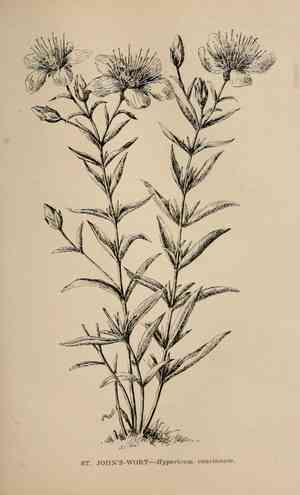
Gold-wire flourishes when relocated between the beginning and end of spring, taking advantage of moderate weather and precipitation. Select a bright spot with soil that drains effectively to guarantee robust development. Should it be necessary, carefully trim any impaired roots to encourage fresh development.
Essential Preparations Before Relocating Gold-wire?
Optimal Period for Gold-wire Relocation?
The prime period for moving gold-wire spans from the beginning of early spring through the conclusion of late spring. This timing allows the perennial to establish its root system prior to the summer heat and promotes vigorous development. Transplanting during this window facilitates better adaptation and enhances the plant's longevity and health.
Recommended Spacing Between Gold-wire Plants?
When transplanting gold-wire, ensure a separation of 24-36 inches (60-90 cm) between plants. This provides ample room for growth and flourishing, preventing overcrowding.
Ideal Soil Blend for Gold-wire Transplanting?
Prepare well-draining soil enriched with compost or organic matter to boost fertility. A loamy soil with a slightly acidic to neutral pH is perfect. Incorporating a balanced, slow-release fertilizer can aid in gold-wire's establishment.
Where to Replant Your Gold-wire?
Select a site that receives full sun to partial shade. Gold-wire thrives best with at least 6 hours of direct sunlight daily, ensuring robust growth and abundant blooms.
Equipment Needed Before Transplanting Gold-wire?
Gardening Gloves
To safeguard your hands while handling soil and the plant.
Shovel or Spade
For excavating the plant and preparing the new planting site.
Trowel
For more precise digging and lifting the plant from smaller containers.
Bucket or Wheelbarrow
To transport the plant and any soil.
Watering Can or Hose
For hydrating the plant before and after relocation.
Mulch
To help maintain soil moisture and inhibit weed growth.
Pruning Shears
For trimming any damaged roots or branches during the transplanting process.
How to Extract Gold-wire from its Current Location?
How to Extract Gold-wire from its Current Location?
From Ground: First, hydrate the gold-wire plant to moisten the soil. Next, excavate a wide trench around the plant using a shovel or spade, ensuring the plant's root ball remains intact. Carefully work the spade beneath the root ball to lift the plant from its original spot.From Pot: Water the gold-wire plant to facilitate its removal. Invert the pot while supporting the plant with your hand, and gently tap the bottom of the pot to loosen the soil. Slide the plant out, taking care not to harm the roots.From Seedling Tray: Water the gold-wire seedlings to ease their extraction. Use a trowel or your fingers to gently lift each seedling from the tray, ensuring the roots remain undamaged. Be cautious not to injure the delicate roots.
Detailed Guide for Transplanting Gold-wire
Plant Extraction
Carefully remove the gold-wire plant from its initial location, following the appropriate method for ground, pot, or seedling tray, as described above.
Prepare New Planting Site
Dig a hole in the ground that is twice as wide and the same depth as the gold-wire plant's root ball. This provides ample space for the roots to spread.
Planting
Place the gold-wire plant into the hole, ensuring it is positioned at the same depth as it was in its original spot. Backfill the hole with soil, gently firming it around the roots to eliminate air pockets.
Thorough Watering
Water the gold-wire plant deeply after transplanting to help settle the soil and encourage strong root development.
Apply Mulch
Spread a layer of mulch around the base of the gold-wire plant to retain moisture and suppress weeds.
Post-Transplant Care for Gold-wire?
Watering
Keep the soil around the gold-wire consistently damp, but not waterlogged, for the initial weeks after transplanting to aid in strong root establishment.
Monitoring
Regularly check for any indications of transplant shock, such as wilting or yellowing foliage, and take corrective measures if needed.
Pruning
Trim any damaged or dead leaves and branches to promote healthy growth.
Mulching
Maintain the mulch layer around the gold-wire plant to continue assisting in moisture retention and weed suppression.
Resolving Common Issues with Gold-wire Transplantation.
When is the best time to transplant gold-wire for optimal results?
The ideal period to transplant gold-wire is from early spring to late spring.
What spacing should I allow when transplanting gold-wire?
Position gold-wire 24-36 inches (60-90 cm) apart to ensure sufficient growth area.
How do I prepare the soil for gold-wire transplanting?
Loosen the soil to a depth of 12 inches (30 cm) and incorporate compost.
What if my transplanted gold-wire appears wilted?
Ensure it receives adequate water, especially during the first few weeks after transplant.
Is it necessary to prune gold-wire before transplanting?
Trim any damaged or dead growth to encourage vigorous new growth post-transplant.
How deep should I plant gold-wire?
Plant gold-wire at the same depth it was growing in its previous location.
How often should I water gold-wire after transplanting?
Water thoroughly, then keep the soil consistently moist but not saturated for the first month.
Can I transplant gold-wire in late summer?
It's best to transplant from early spring to late spring. Late summer can cause stress to gold-wire.
Why are the leaves on my transplanted gold-wire turning yellow?
Yellow leaves might indicate overwatering or a nutrient deficiency. Adjust watering and fertilize sparingly.
How can I help gold-wire establish quickly after transplanting?
Mulch around the base to retain moisture and protect the roots, and avoid immediate fertilization.



