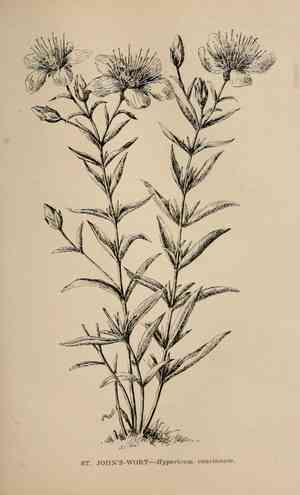
Gold-wire (Hypericum concinnum)
Also known as: Elegant St. John's Wort
Gold wire stands out due to its rich, lustrous yellow color, which exudes a sense of luxury and elegance. This precious metal is highly malleable, allowing it to be shaped into intricate and detailed designs, making it highly desirable in competitive fields like jewelry making and high-end electronics. Additionally, gold's exceptional resistance to tarnish and corrosion ensures that it maintains its attractive appearance over time, making it both a visually appealing and durable choice for various applications.
In This Article
Attributes of Gold-wire
Lifespan
Perennial
Plant Type
Shrub
Plant Height
0 mm to 30 cm
Spread
Approximately 0.5 meters
Leaf Color
Green
Flower Size
2 to 3 cm
Flower Color
Yellow
Images of Gold-wire
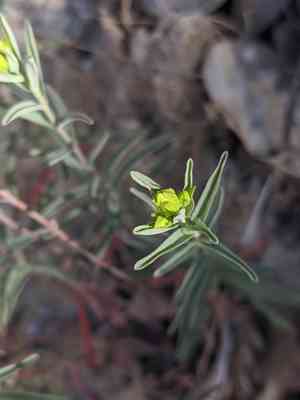
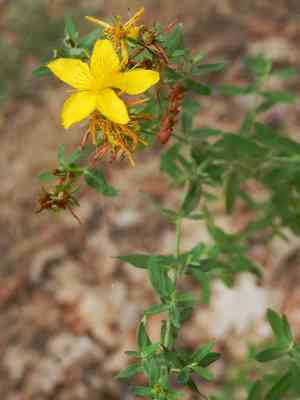
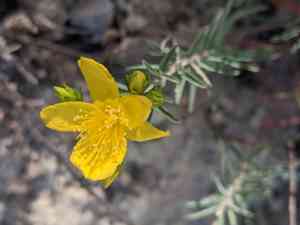
Quickly Identify Gold-wire
1
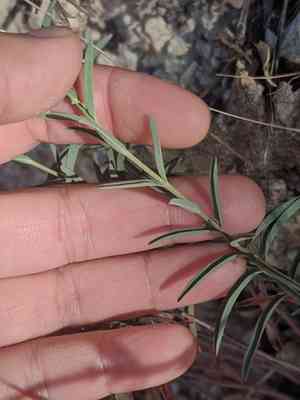
Look for bright yellow flowers with 5 petals, typically blooming in late spring or early summer. The leaves are opposite, simple, and usually have a prominent midrib. The plant tends to have a bushy appearance.
Scientific Classification of Gold-wire
Phylum
Vascular plants
Class
Dicotyledons
Order
Malpighiales
Family
St. John's wort
Genus
St. John's worts
Species
Gold-wire
Planting and Growing of Gold-wire
Care Difficulty
Easy
Watering Schedule
Every 3 days
Sunlight Requirements
Full sun
Sunshine Duration
6-10 hours
Ideal Temperature
60-75℉
Soil Type
Potting Mix, Peat Mix
Soil pH
6.5-7.5
Fertilizer Type
Balanced
Pruning Season
Spring, Summer
Pruning Area
Branches, Leaves
Pruning Frequency
2 times a year
Repotting Season
Spring
Pot Type
Ceramic, Plastic
 How to Water Gold-wire?
For Hypericum concinnum, it is best to water thoroughly until the soil is evenly moist but not waterlogged. The ideal is to allow around 500 ml of water per watering session. Make sure to let excess water drain away to prevent root rot.
What are the symptoms of an underwatered Gold-wire?
›
What should I do if my Gold-wire is not getting enough water?
›
What are the symptoms of an overwatered Gold-wire?
›
How to save an overwatered Gold-wire?
›
 What Are the Sunlight Requirements for Gold-wire?
Hypericum concinnum ideally enjoys full sun to partial sun exposure. Adequate light ensures robust growth, vibrant blooms, and strengthened plant health, contributing to longevity.
What is the best type of sunlight for Hypericum concinnum?
›
How can I achieve the ideal lighting conditions?
›
What are the benefits of ideal lighting conditions?
›
 What Is the Ideal Temperature Range for Gold-wire?
Hypericum concinnum thrives exceptionally well within an ideal temperature range of 60°F to 75°F. These conditions mimic its natural habitat, promoting optimal growth and blooming. Consistently maintaining temperatures within this range allows for proper nutrient absorption and enhances the plant's overall vitality and resistance to diseases.
 What Soil is Best for Gold-wire?
Hypericum concinnum thrives in nutrient-rich soil which ensures healthy growth and vibrant blooms. Using organic matter such as compost improves soil fertility, providing essential nutrients and enhancing the plant's resilience and flowering ability. The plant prefers well-drained soil to prevent root rot and other waterlogged conditions. Amending the soil with sand and organic material helps improve aeration and drainage, promoting optimal root development and overall vigor. Hypericum concinnum requires a moderate level of soil moisture for optimal growth. Maintaining soil that is consistently but not excessively moist supports steady growth and helps avoid stress from drought or overwatering.
 How to Fertilize Gold-wire?
When fertilizing Hypericum concinnum, use a balanced, water-soluble fertilizer. For liquid fertilizers, use a diluted solution (approximately 1/4 of the recommended strength), covering the base of the plant evenly without oversaturating the soil.
 How to Prune Gold-wire?
Begin by removing any dead or damaged stems. Identify crossing branches and choose the one that optimizes the plant’s structure to prevent damage. Trim back the stems by about one-third to encourage bushier growth. Focus on cutting just above a pair of leaves or leaf node to stimulate new growth.
More About Pruning Techniques→
 How to Propagate Gold-wire plant?
1
Before sowing, soak seeds in water for 24 hours to soften the seed coat and increase the chances of germination. Plant them in seed trays filled with a well-draining seed starting mix.
2
Select healthy, non-flowering stems for cuttings. Ideally, choose a piece that is 4-6 inches long with several sets of leaves. Removing lower leaves helps prevent rot when planted.
3
Use a mix of perlite and peat moss as the rooting medium for cuttings. This mixture provides the necessary aeration and moisture retention to encourage root development.
 How to Repot Gold-wire plant?
1
Hypericum concinnum shows signs that it needs repotting when its roots begin to grow through the drainage holes of the pot, or if the soil no longer retains moisture. Additionally, if you notice the growth has slowed significantly despite regular care, it’s a good time to consider repotting.
2
Select a pot that is just one size larger than the current one, with excellent drainage capabilities. A slightly larger space ensures that the roots have extra room to grow, while the proper drainage prevents root rot and promotes a healthy growth environment.
3
Opt for a well-draining, sandy soil mix, ideally enriched with organic matter. This composition supports the plant's need for both adequate water retention and oxygen flow, preventing compaction and facilitating robust root development and nutrient uptake.
Toxicity
ingestion
WARNING
The judgment on toxicity and danger is for reference only. We DO NOT GUARANTEE any accuracy of such judgment. Therefore, you SHALL NOT rely on such judgment. It is IMPORTANT TO SEEK PROFESSIONAL ADVICE in advance when necessary.
Learn More About Gold-wire Diseases
Anthracnose
Bacterial Leaf Spot
Black Spot
Chemical Injury
Crown Gall
Damping-off
Downy Mildew
Drought Stress
Fusarium Wilt
Gray Mold
Leaf Curl
Leaf Spot
Mosaic
Nutrient Deficiency
Nutrient Toxicity
Powdery Mildew
Root Rot
Root-knot Nematode
Rusts
Sooty Mold
Spider Mites
Temperature Stress
Thrips Damage
White Mold



