How to Prune Gold-wire?
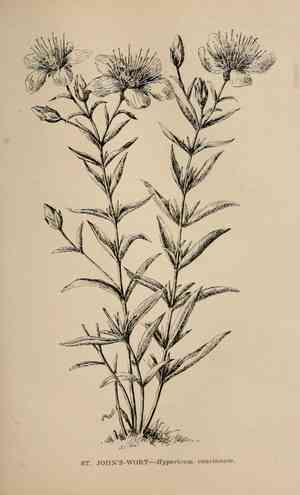
Known for its vibrant yellow blossoms and slender, fibrous stalks, gold-wire thrives with trimming to preserve its form and encourage robust development. The most effective time for pruning is in early spring, prior to the emergence of new shoots. Snip off any lifeless or impaired branches, and reduce density in congested sections to enhance air movement. Consistent trimming boosts bloom production and the plant's general hardiness. Verify that implements are sanitized to avert the transmission of ailments, and refrain from severe pruning, as this can cause distress to the plant.
Advantages of Trimming Gold-wire
Advantages of Trimming Gold-wire
Trimming gold-wire promotes vigorous development by eliminating dead or weak limbs, thereby fostering robust growth. It also maintains the plant's form, ensuring a tidy appearance and preventing excessive growth. These actions guarantee optimal size management and reduce risks from pests and diseases.
Optimal Period for Pruning Gold-wire
Optimal Period for Pruning Gold-wire
Pruning gold-wire in early spring is ideal as this timing aligns with the plant's natural growth cycle. During early spring, gold-wire has not yet entered its active growth or blooming phase, which minimizes plant stress. Pruning at this time encourages healthy development and more abundant flowering later in the season. Additionally, removing dead or damaged branches in early spring can help prevent disease and pest issues, ensuring gold-wire's overall health and vitality.
Required Tools for Pruning Gold-wire
Bypass Pruners
Perfect for making clean cuts on living wood without crushing plant tissues; suitable for gold-wire's small to medium branches.
Anvil Pruners
Effective for cutting dead or dry wood due to their crushing action.
Lopping Shears
Useful for cutting thicker branches that hand pruners cannot handle.
Pruning Saw
Crucial for larger branches that cannot be cut with pruners or loppers, ensuring precise and clean cuts.
Hedge Shears
Beneficial for shaping and trimming foliage to maintain gold-wire's desired aesthetic and health.
How to Prune Gold-wire
Assessment
Inspect the gold-wire for any indications of diseased leaves, withered leaves, dead branches, and diseased branches to determine the necessary extent of pruning.
Tools
Ensure you have the correct pruning tools, such as sanitized pruning shears or loppers, to prevent disease spread and make clean cuts.
Diseased Leaves
Carefully remove all diseased leaves by cutting them at their base where they connect to the stem, taking care not to harm healthy parts.
Withered Leaves
Trim off withered leaves using sharp pruning shears, making sure to cut back to a point just above a healthy leaf or bud to stimulate new growth.
Dead and Diseased Branches
Cut back any dead branches to the main stem or a healthy lateral branch. For diseased branches, make cuts several inches below the visible signs of disease to ensure complete removal and prevent recurrence.
Common Pruning Errors with Gold-wire
Over-pruning
Removing too much foliage can stress gold-wire, weakening the plant and potentially impacting flowering.
Incorrect techniques
Using dull or unsuitable tools can result in jagged cuts, increasing the risk of disease and pest infestation.
Pruning at the wrong nodes
Cutting too close to or too far from the bud can impede proper healing and new growth.
General Pruning Advice for Gold-wire
Use sharp, clean tools
Ensure your pruning shears are sharp and sterilized to make clean cuts and minimize disease risk.
Prune selectively
Remove dead, damaged, or diseased branches first, then thin out crowded areas to improve air circulation and light penetration.
Focus on shaping
Aim to maintain gold-wire's natural shape by making cuts just above a leaf node or bud, promoting healthy growth.



